One month after the justice department’s congressionally mandated deadline to release all Jeffrey Epstein investigative files went unmet, victims’ advocates are expressing outrage over the department’s failure to comply with federal law. The deadline, set by the Epstein Files Transparency Act, required the release of all files by 19 December, but millions of documents remain undisclosed.
“It has never been about the victims. It’s about powerful men covering up for each other, and that cover-up continues,” said Lisa Bloom, who has represented 11 Epstein survivors. “Shame on all those who are obstructing the victims getting the full release of all the files that they deserve.” Jennifer Plotkin of Merson Law, representing nearly three dozen survivors, echoed these sentiments, stating, “The government continues to avoid accountability and disregards the victims.”
Gloria Allred, an attorney for more than 20 Epstein survivors, criticised the justice department’s inaction. “The Epstein Files Transparency Act could not have been clearer that the deadline for the release of the files with certain exceptions was 19 December. It is clear that the [justice department] has violated the act and that millions of files have not yet been released,” she said. Allred noted that a judge has asked justice department attorneys to explain their non-compliance.

While some files were disclosed on 19 December, subsequent disclosures represented a mere fraction of what exists. Justice department attorneys said in a 5 January court filing that they had uploaded 12,285 documents, totaling approximately 125,575 pages, but admitted to finding “more than 2 million documents potentially responsive to the act that are in various phases of review.”
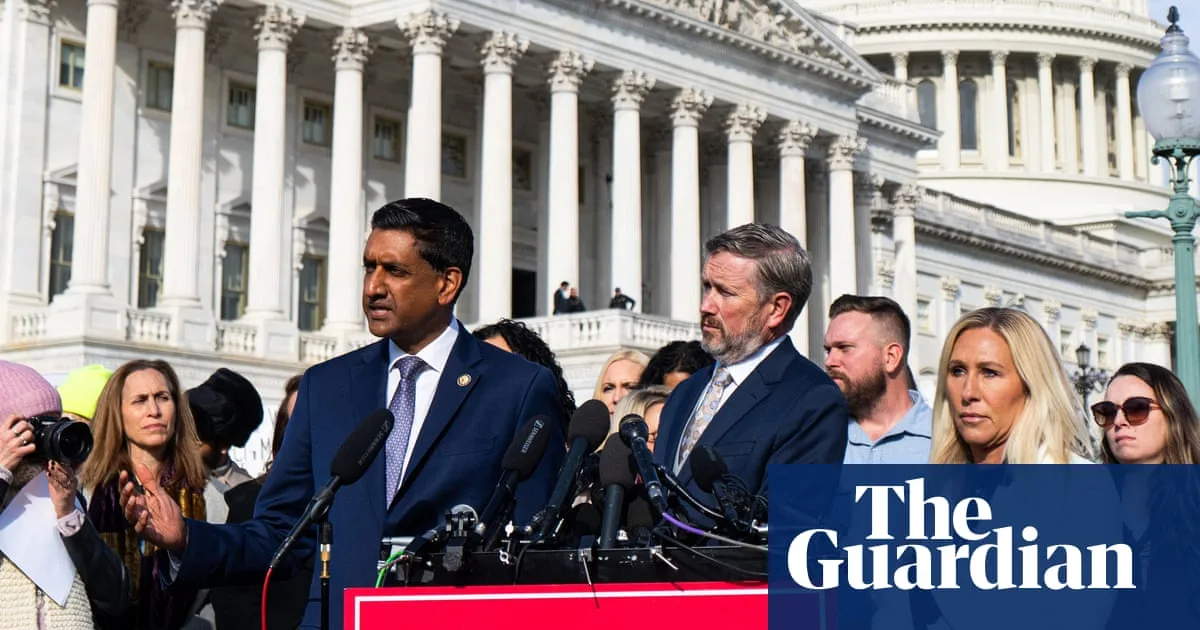
President Donald Trump signed the Epstein Files Transparency Act into law after months of bipartisan pressure, having previously vowed to release the files. “We have nothing to hide,” Trump said. The act’s co-sponsors, California Democrat Ro Khanna and Kentucky Republican Thomas Massie, have suggested further oversight may be needed.