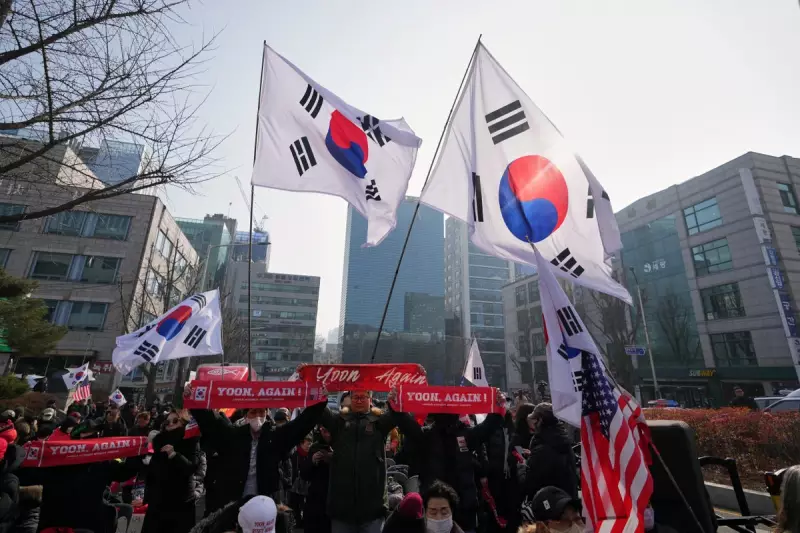
A South Korean court has delivered a significant verdict, sentencing former first lady Kim Keon Hee to 20 months in prison for corruption. This ruling marks a pivotal moment in the country's political landscape, as it precedes an anticipated decision on charges against her husband, former president Yoon Suk Yeol.
Details of the Corruption Case
The Seoul Central District Court announced the sentence on Wednesday, finding Ms Kim guilty of receiving bribes from the Unification Church in exchange for business favours. The case has drawn widespread attention due to its high-profile nature and the implications for South Korea's governance and legal integrity.
Timing and Context of the Verdict
This verdict comes approximately three weeks before the court is scheduled to deliver its ruling on the rebellion charge against Mr Yoon. The former president faces allegations related to his imposition of martial law a year ago, with the independent counsel having previously demanded the death sentence for him.

The sequence of these legal proceedings underscores the ongoing scrutiny of South Korea's political elite. Supporters of Mr Yoon were observed outside the Seoul Central District Court earlier this month, holding signs and flags, highlighting the divisive nature of these cases.
Broader Implications for South Korean Politics
The sentencing of Kim Keon Hee adds to a series of high-profile corruption cases that have rocked South Korea in recent years. It raises questions about accountability and transparency within the nation's leadership, potentially influencing public trust and future electoral dynamics.
As the court prepares for the verdict on Mr Yoon, observers are closely monitoring how these legal outcomes might reshape political alliances and policies. The independent counsel's severe demand in Mr Yoon's case suggests the gravity of the charges, which could have far-reaching consequences for South Korea's constitutional and democratic frameworks.
This development follows a pattern of intense judicial activity in South Korea, where former officials often face legal repercussions. The cases against Kim Keon Hee and Yoon Suk Yeol are likely to be debated extensively in media and political circles, reflecting broader societal concerns about corruption and abuse of power.