In the modern era of social media and viral content, achieving fame can appear deceptively simple. Platforms like TikTok have democratised celebrity, allowing a single viral moment to launch careers overnight. Yet, behind the glossy facade, many established stars have employed remarkably creative—and sometimes ethically dubious—methods to secure their place in the limelight. This week, a resurfaced video from 2017 has thrust Priyanka Chopra into controversy, accused of orchestrating a 'peak PR stunt' by allegedly hiring fake fans.
The Priyanka Chopra Controversy
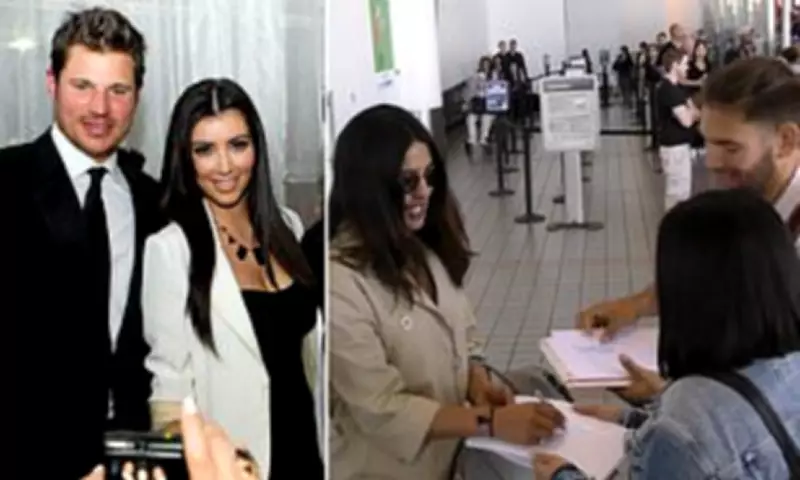
Footage from Los Angeles International Airport in 2017 shows Priyanka Chopra being approached twice by the same pair of autograph seekers. Initially, the actress paused to sign for a male and female fan before navigating the crowd. Minutes later, while exiting the terminal, the identical duo approached her again, with Chopra appearing to sign the exact same items a second time. This repetition has led to widespread accusations online that the star staged the encounter to generate publicity, a claim that underscores a broader trend of manufactured fame.
Mastering the Art of the PR Stunt
Few understand the mechanics of fame better than Kim Kardashian. Now a billionaire, her initial rise was bolstered by strategic publicity manoeuvres. Beyond the notoriety of her 2007 sex tape, Kardashian has admitted to cunningly manipulating paparazzi. In a recent podcast appearance, she recounted a 2006 incident where she and a friend tricked photographers into believing she was visiting Britney Spears at a New York hotel. By arriving in a Rolls-Royce and maintaining a mysterious demeanour, she secured magazine covers, later boasting, "We totally scammed the system."

The Allegra Coleman Hoax
Actress Ali Larter's entry into Hollywood was orchestrated through an elaborate media hoax. At age 20, she posed as "Allegra Coleman" on the cover of Esquire Magazine, a completely fabricated persona described as "Hollywood's next dream girl." The article invented details, including an on-off relationship with David Schwimmer and interest from director Woody Allen. Conceived by journalist Martha Sherrill as a satire of celebrity culture, the stunt successfully launched Larter's actual acting career, leading to roles in films like Varsity Blues and the Final Destination franchise.
Fake Career Shifts and Award Show Antics
Other celebrities have fabricated dramatic career changes. In 2009, Joaquin Phoenix appeared on the Late Show with David Letterman, claiming he was quitting acting to pursue a hip-hop career. His bizarre public behaviour over two years was later revealed as part of a promotional campaign for the mockumentary I'm Still Here. Similarly, Sacha Baron Cohen staged a controversial incident at the 2009 MTV Movie Awards, where his character Brüno accidentally landed on Eminem. The rapper later confirmed the entire spectacle was a pre-planned stunt designed to generate headlines.
Dubious Relationships and Showmances
Romantic entanglements, real or imagined, remain a potent tool for publicity. Kim Kardashian's 2006 date with Nick Lachey was allegedly orchestrated for media exposure, with photographers mysteriously appearing post-cinema. Lachey later remarked, "There are certain ways to play this game, and some people play it well." In 2013, DJ Khaled publicly proposed to Nicki Minaj during an MTV News segment, a move Minaj later dismissed as a promotional stunt for their collaboration.
The Rise of YouTube Fakery
Digital creators have embraced similar tactics. YouTuber Jake Paul staged two fake weddings—first with Erika Costell in 2017, then with Tana Mongeau in 2019—documenting the "marriages" in vlogs before admitting they were sham relationships designed for entertainment. He compared the spectacles to professional wrestling, stating, "People know that's fake, and it's one of the biggest things of entertainment."

Rumour-Mongering for Promotion
Sometimes, mere association suffices. In 2005, rumours swirled that Rihanna was having an affair with her mentor Jay-Z, allegedly causing tension with Beyoncé. Years later, Rihanna's former publicist Jonathan Hay confessed to spreading the falsehood to boost her debut single, calling it a "reckless" act of desperation. More recently, Pamela Anderson and Liam Neeson sparked dating rumours during a promotional tour for The Naked Gun, with Anderson later clarifying their brief romantic involvement was post-filming and they remain friends.
Buying Influence and Followers
The artifice extends to social media, where followers can be purchased to inflate influence. A 2018 investigation revealed that figures like Paul Hollywood, James Cracknell, and Martha Lane Fox used services from company Devumi to buy fake Twitter followers. Cracknell, who purchased 50,000 followers, condemned the practice as "fraud," noting, "People who judge by how many likes or how many followers, it's not a healthy thing." Devumi was subsequently shut down after exposure of its fraudulent operations.
The Ethics of Manufactured Fame
These examples illustrate a pervasive culture where fame is often cultivated through deception. From fake fans and personas to staged relationships and purchased followers, the line between genuine celebrity and calculated PR grows increasingly blurred. As social media amplifies these tactics, the public's appetite for authenticity clashes with an industry built on illusion. Whether these stunts represent clever marketing or ethical breaches, they underscore a timeless truth: in the quest for fame, some stars will go to extraordinary lengths to ensure their name is known.