The VIP Prison Experience: Ghislaine Maxwell's Unusual Incarceration
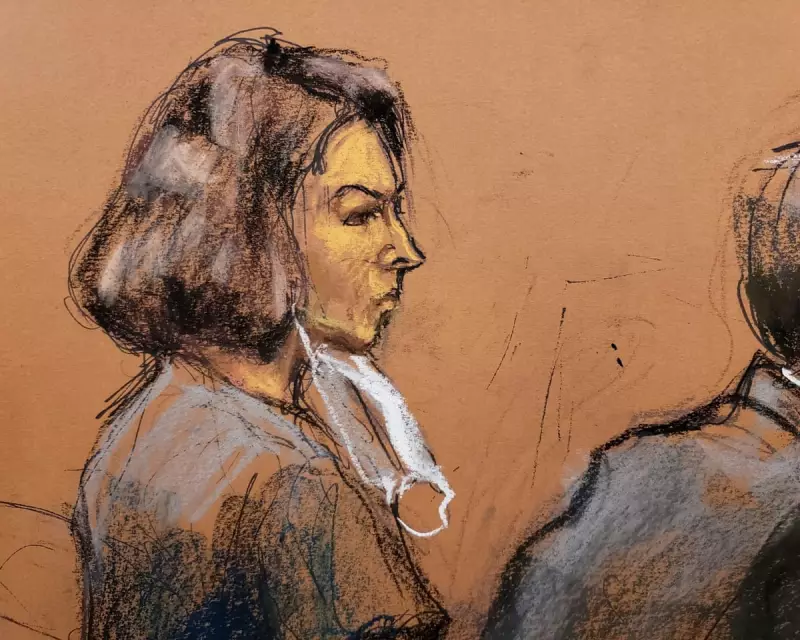
While serving a 20-year sentence for her role in Jeffrey Epstein's sex-trafficking operation, Ghislaine Maxwell appears to be experiencing anything but standard prison conditions. The disgraced socialite, currently held at the federal prison camp in Bryan, Texas, reportedly receives privileges that starkly contrast with typical inmate treatment.
According to CNN reports, Maxwell enjoys an unlimited supply of toilet paper in a facility where most inmates receive just two rolls per week. This represents just one of many alleged special treatments that have prompted outrage and claims of preferential handling within America's correctional system.
From Possum Prison to Puppy Playtime: Maxwell's Upward Transfer
Maxwell's journey to her current comfortable accommodations began under less favourable circumstances. Originally held at a federal detention facility in Brooklyn, New York, she was later transferred to a Florida prison where she complained about poor conditions, including 'possums falling from the ceiling'.

Her transfer from the Florida facility occurred shortly after a recorded visit from Todd Blanche, then deputy attorney general and previously Donald Trump's personal defence attorney. During their conversation, Maxwell emphatically stated she 'never witnessed the president in any inappropriate setting in any way'. She was moved from the Florida facility within days of this meeting, in what a prison consultant described as an 'unprecedented' transfer.
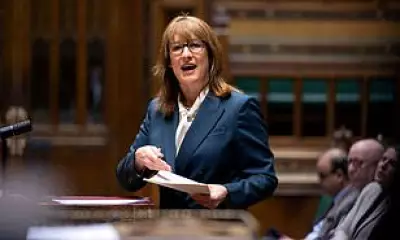
Since arriving at FPC Bryan, reports indicate Maxwell receives what Democratic congressman Jamie Raskin termed 'concierge-style treatment' in a letter to Trump. The privileges allegedly include special meals, technology access, puppy playtime, and exclusive use of exercise facilities. Raskin's letter claims the deference reached such levels that one official complained about having to be 'Maxwell's bitch'.
A Tale of Two Justice Systems: Privilege Versus Punishment
Emails obtained by The Atlantic reveal Maxwell describing her current conditions as 'much much happier' compared to her previous incarceration, noting the food is 'legions better', the facility clean, and staff 'responsive and polite'.
This comfortable existence stands in stark contrast to the reality for most incarcerated women in the United States. According to a 2024 Prison Policy Initiative report, more than 60% of women in locally controlled jails haven't been convicted of any crime and are awaiting trial, often because they cannot afford bail.
These facilities typically offer fewer services and programs than prisons, with more limited communication options and significantly higher costs for phone calls. While Maxwell reportedly does pilates and plays with puppies, countless women without her connections or wealth face deteriorating conditions.
The case underscores what the original article described as America's 'two-tiered legal system' - one that treats the powerful and connected fundamentally differently from ordinary citizens. Maxwell, who came from a world of privilege and power, stands accused of not just procuring young girls for Epstein but actively participating in their abuse.
As one victim identified as 'Jane' testified during Maxwell's trial, the socialite met her when she was just 14 and occasionally joined in the abuse. This background makes the special treatment Maxwell reportedly receives particularly galling to those advocating for prison reform and equal justice.
The lesson appears clear: within America's justice system, wealth and connections can transform even the most serious sentences into relatively comfortable experiences, while those without means face harsher realities regardless of guilt or innocence.