As Iran's security forces wage a brutal crackdown on anti-regime demonstrators, the children of the nation's most powerful figures are showcasing lives of staggering luxury on social media. This stark contrast has become a potent symbol of the deep divide between the ruling class and ordinary citizens facing violence and economic ruin.
The Lavish Lives of the 'Aghazadeh'
The term 'aghazadeh' – meaning 'born of nobility' – is used in Iran to describe the offspring of senior clerics, ministers, and security chiefs. These individuals appear largely shielded from the bloodshed engulfing their country, living extravagantly both within Iran and abroad. Their online personas, filled with designer fashion, supercars, and private jets, have ignited public fury.
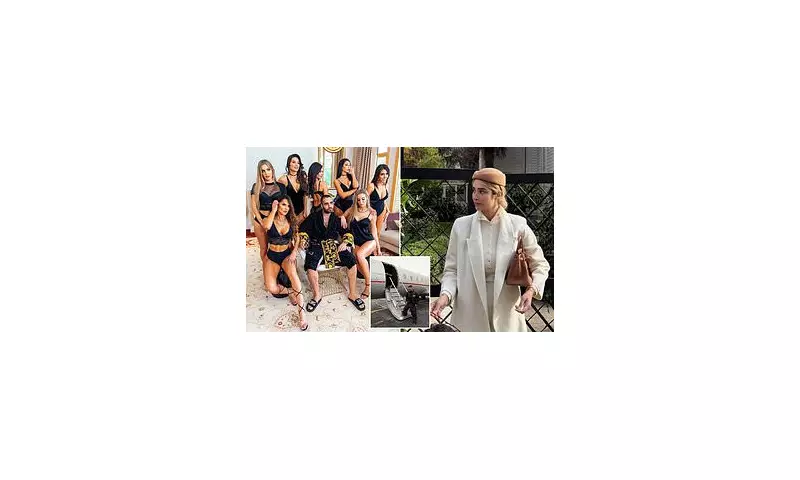
Just before the recent wave of unrest erupted, model Anashid Hoseini posted a seemingly carefree image online. She wore a high-end cream cashmere coat and carried a handbag that critics claimed cost more than many Iranians earn in a year. Describing the photo as 'casual me,' Hoseini, who is married to the son of Iran's former ambassador to Denmark, became an immediate symbol of elite excess.

Her social media accounts later went silent as authorities imposed a sweeping internet blackout during the protests. However, she is far from alone. Other children of the elite live openly overseas, running businesses and holding assets insulated from Iran's collapsing economy.
Global Havens and Family Connections
Mohammad Hossein Shamkhani and his brother Hassan, based in Dubai, run a global shipping empire. Their father, Ali Shamkhani, is the former security chief of the Islamic Republic and a senior adviser to Supreme Leader Ayatollah Ali Khamenei.
The family networks extend globally. Khamenei himself has several relatives in Britain and France, including his nephew Mahmoud Moradkhani. Grandchildren of the revolution's founder, Ayatollah Khomeini, have settled in Canada. The brother of Ali Larijani, secretary of Iran's Supreme National Security Council, lectures in Scotland, while former president Hassan Rouhani's children live in Austria and studied at Oxford. A former Iranian minister claims 5,000 aghazadeh live in the United States.
One of the most conspicuous examples is Sasha Sobhani, son of a former Iranian ambassador to Venezuela. With millions of followers, he flaunts super-yachts, private jets, and lavish parties with scantily clad women. Unlike many who keep a lower profile, Sobhani has taunted critics from abroad, spending time in Spain and the UAE. Tehran is now seeking his extradition from Spain over allegations including money laundering and running illegal gambling sites, claims he denies.
A Nation in Crisis, An Elite Untouched
This display of wealth unfolds against a backdrop of severe state violence. Protesters have been shot, beaten, and dragged from their homes. Rights groups report tens of thousands arrested in mass sweeps. While Iranian authorities state the unrest has left at least 5,000 dead, including security personnel, independent groups place the confirmed death toll at approximately 16,500.
During the protests, wealthy Iranians were seen decamping to neighbouring Turkey, with the province of Van becoming a popular party destination as demonstrations were crushed at home. Back in Iran, the affluent northern Tehran neighbourhood of Elahieh – often compared to Beverly Hills – continues to see luxury cars cruise past high-end boutiques, a world away from the economic hardship crippling most citizens.
Ella Rosenberg, a senior researcher at the Jerusalem Centre for Foreign Affairs, notes the rage these disparities fuel: "Their lifestyle has enraged, not only made angry, but enraged the citizens of Iran... because they see how these rich kids live - with no accountability for anything that they do."
Despite sweeping Western sanctions intended to pressure the regime, critics argue enforcement has failed to meaningfully target the families at the very top. This allows the children of senior officials to continue living lives of excess, funded by political power, corruption, and sanctions-evading wealth. As ordinary Iranians face arrest, bullets, and economic ruin, the chasm between the rulers and the ruled widens daily.