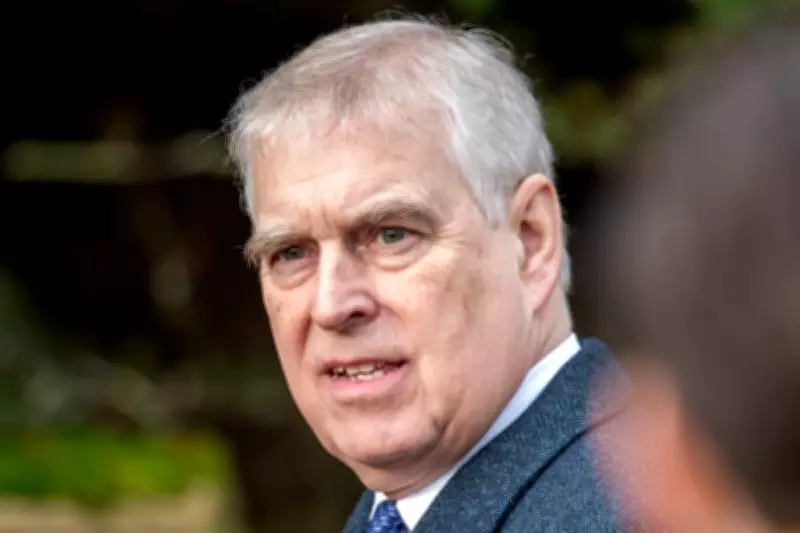
The arrest of Andrew Mountbatten-Windsor, the king's brother, on his 66th birthday while sitting in a police cell starkly illustrates his dramatic fall from grace. This event should signal the end of deference and the beginning of long-overdue accountability for royal figures.
From Managed Disgrace to Legal Reckoning
For over 15 years, allegations surrounding Mr Mountbatten-Windsor were quietly handled through silence, an out-of-court settlement, and his withdrawal from public duties. His behaviour was treated as a private image problem rather than a matter for public scrutiny. That era now appears conclusively over.
The formal police investigation shifts the focus from protecting the monarchy to determining what actually occurred and who might be responsible for potential unlawful acts. Mr Mountbatten-Windsor's descent into ignominy has been gradual but inevitable, fueled by his own stupidity and arrogance in believing he could talk his way out of his association with convicted child sex offender Jeffrey Epstein.

The Specific Allegations and Evidence
Thames Valley police arrested the royal on suspicion of misconduct in public office following a complaint by the anti-monarchy group Republic. This offence carries a maximum sentence of life imprisonment. Among the 3 million files and messages released by the US Department of Justice are emails that appear to show Mr Mountbatten-Windsor forwarding documents and commercial information to Epstein while serving as a trade envoy. The king's brother denies any wrongdoing.
A single photograph from 2001 initially plunged the monarchy into crisis, showing the then Prince Andrew with 17-year-old Virginia Giuffre and lending credibility to her trafficking allegations. The visual evidence made it difficult to dismiss her statements as implausible. Though he denied knowing her and rejected the claims, a £12 million settlement followed, and the image shaped a scandal that shook the House of Windsor. Additional women have since come forward alleging abuse, which Mr Mountbatten-Windsor continues to deny.
Constitutional Implications and Political Response
Ms Giuffre's death by suicide last year adds tragic weight to the case. Her family stated that Mr Mountbatten-Windsor's arrest demonstrates that "no one is above the law." MPs should not bend the knee before inheritance and rank. As argued consistently, it cannot be right to call for the king's brother to give evidence to US lawmakers while avoiding parliamentary scrutiny.
Liam Byrne, the Labour chair of the cross-party business and trade committee, correctly noted in constitutional terms that Mr Mountbatten-Windsor could be questioned by MPs. His public office as trade envoy answers to parliament. It is not the law but convention—including Commons rules barring "reflections" on royals—that restrains political action.
The Future of Royal Privilege
Mr Mountbatten-Windsor remains a counsellor of state, theoretically able to stand in for the king, though he will never wear the crown. Parliament should now debate whether hereditary privilege can coexist with democratic accountability.
Symbolically, this episode likely marks the end of the assumption that being part of the royal household guarantees impunity. Practically, it should deliver more victim-centred accountability. The story of Mr Mountbatten-Windsor's Epstein connections is only beginning. If no charges result, it becomes a narrative about institutional reform. If prosecution proceeds, he will answer to twelve jurors who will judge him by evidence, not by birth. Either way, the old model of discreet exile and silence seems definitively finished.