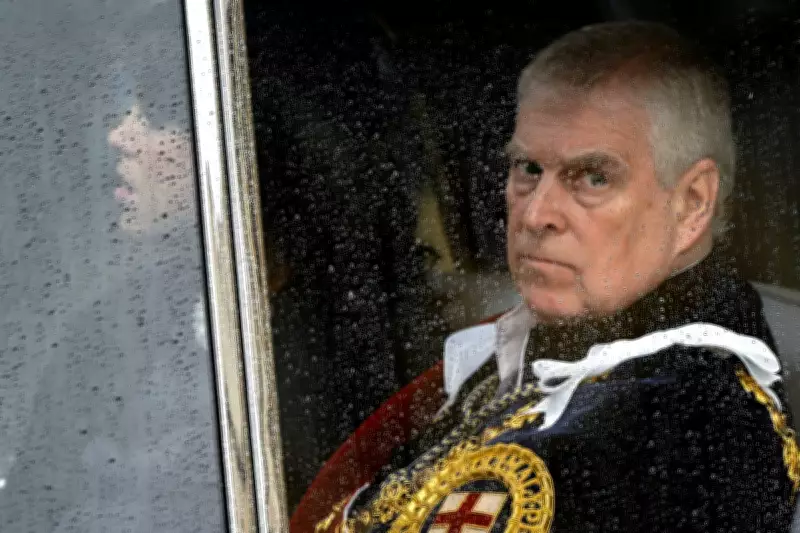
Ministers have agreed to release official files related to Andrew Mountbatten-Windsor's appointment as a trade envoy, following his recent arrest on suspicion of misconduct in public office. The government has stated it cannot publish material required by police for ongoing inquiries until officers are satisfied with the investigation process.
Accusations of Sharing Sensitive Information
Andrew Mountbatten-Windsor faces serious accusations of sharing sensitive information with Jeffrey Epstein during his role as a special representative for trade and investment between 2001 and 2011. He was recently taken into custody and subsequently released under investigation, with the case drawing significant parliamentary attention.
Scathing Criticism in the Commons
In the House of Commons, trade minister Sir Chris Bryant delivered a blistering assessment of Andrew's conduct. He described him as "a man on a constant self-aggrandising and self-enriching hustle" and "a rude, arrogant and entitled man who could not distinguish between the public interest, which he said he served, and his own private interest." This strong language underscores the government's frustration with the allegations.

The minister's comments highlight concerns that Andrew may have prioritized personal gain over his official duties, potentially compromising national interests. The release of files aims to provide transparency, though police restrictions limit immediate full disclosure.
Government's Stance on Succession Changes
The government has also indicated it is not ruling out changes to the line of succession in light of Andrew Mountbatten-Windsor's arrest. This suggests broader constitutional implications, as the scandal raises questions about the integrity of royal appointments and public office holders.
As the investigation continues, the focus remains on ensuring accountability and restoring public trust. The unfolding developments could lead to further reforms in how trade envoys and similar positions are vetted and monitored.