New Orleans Archbishop Apologises to Clergy Abuse Survivors in Bankruptcy Case
New Orleans Archbishop Apologises to Abuse Survivors

In a significant moment within a protracted legal battle, the Archbishop of New Orleans has issued a public apology to survivors of clergy abuse who are seeking compensation through the archdiocese's bankruptcy proceedings.

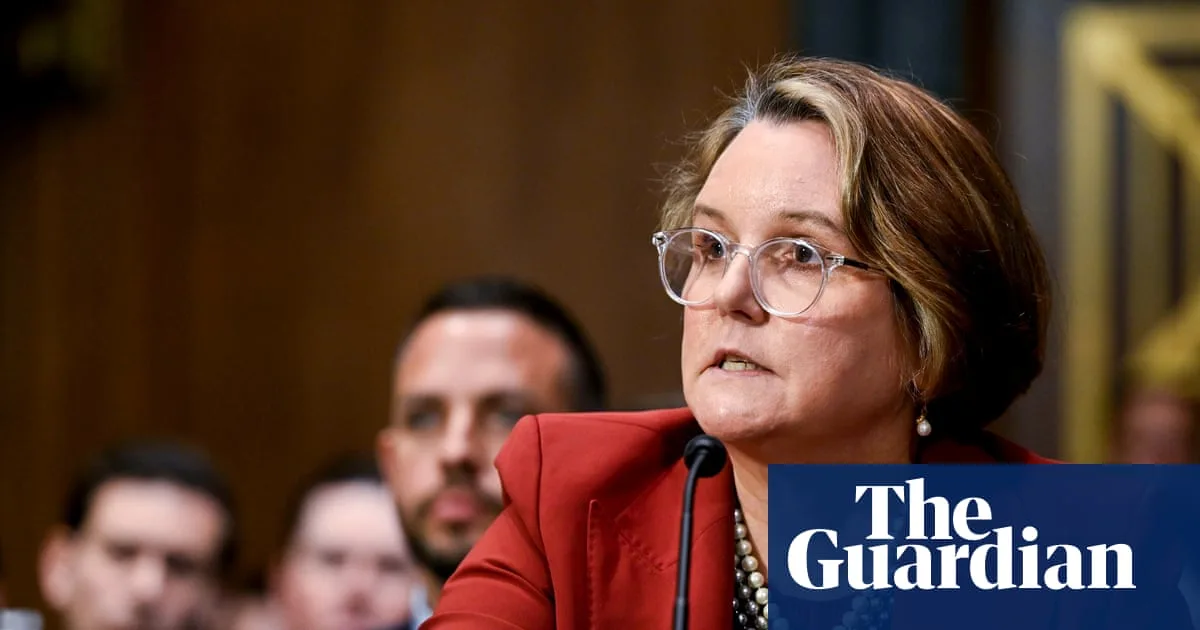
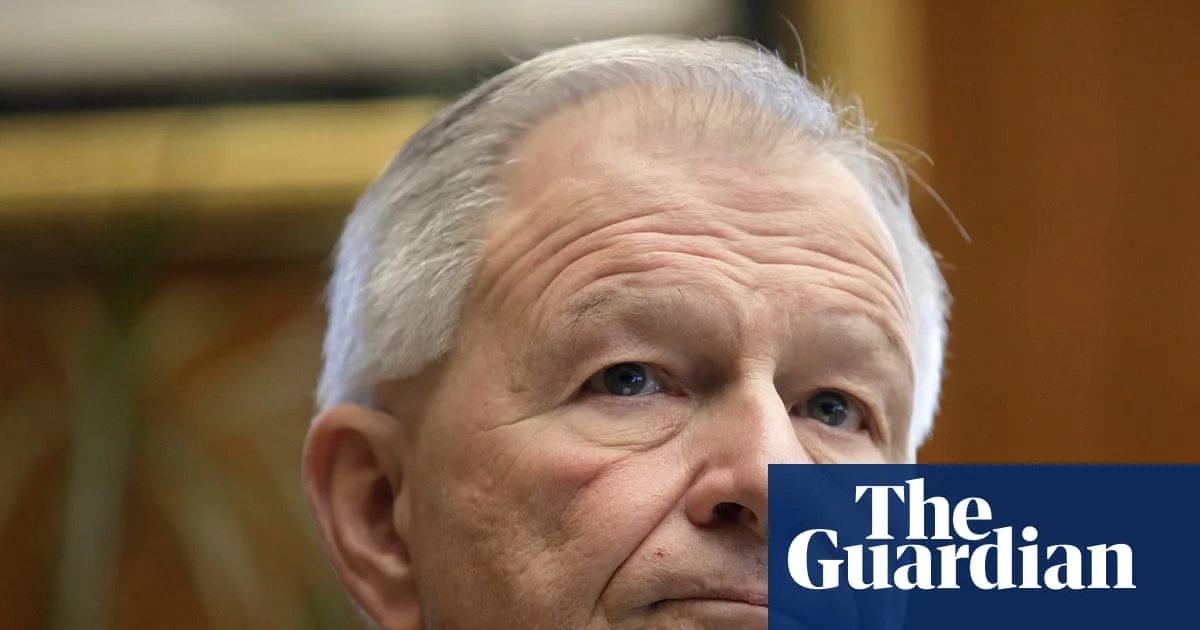
Archbishop Gregory Aymond addressed survivors directly in a federal courtroom, stating, "I know you have been through a lot of pain." His remarks were directed specifically at survivors Tim Trahan and Richard Coon during testimony that forms part of a five-year-old bankruptcy protection case for the New Orleans Roman Catholic archdiocese.

A Landmark Settlement and a Personal Apology

The archbishop's court appearance was to support the church's proposed $230 million settlement with approximately 625 survivors who allege childhood abuse by priests, deacons, or other church employees. Aymond expressed his personal shame, stating, "It’s embarrassing to me that someone would take advantage of children sexually." He extended a personal invitation to meet with the survivors.

Survivor Tim Trahan, who has campaigned to have one of the two priests he accuses added to the church's credibly accused list, responded to the apology. "I hope the apology was sincere. I believe it was sincere," Trahan commented. He acknowledged the difficulty of the gesture, noting it was "a step in the right direction."

Financial Challenges and Ongoing Scrutiny

The case now rests with Bankruptcy Court Judge Meredith Grabill, who must decide if the settlement plan is both fair to survivors and other creditors and allows the church to continue its operations. Judge Grabill described the situation as "a real opportunity to rebuild trust."

Archbishop Aymond conceded that the financial burden is substantial, admitting, "It’s going to be difficult to continue our mission; it will be a challenge." He defended the $230 million figure as the maximum the archdiocese could afford while maintaining its functions.

However, the settlement faces opposition from church bondholders, who allege the archdiocese committed securities fraud by reneging on agreements to pay interest on $41 million in church debts from 2017. Under questioning, Aymond deferred to a council of financial advisers.

Further complicating the matter, an expert witness testified that the collective value of the 600-plus survivors' claims is approximately $1.2 billion. This valuation means the proposed settlement would compensate survivors at a rate of only about 20 cents on the dollar.

Non-Monetary Provisions and Past Failures

A key component of the settlement plan involves non-monetary commitments from the church to enhance child safety and properly investigate new abuse allegations. Archbishop Aymond asserted that many of these provisions are already active.

Despite these assurances, questions remain about the efficacy of past safeguarding efforts. The archbishop declined to answer media inquiries about previous failures, which included allowing serial abuser and deacon George Brignac to return to a church lector role and lead school programmes as recently as 2018. Another case involved priest Paul Hart being installed as chaplain of a New Orleans high school despite admitting to sexual contact with a 17-year-old student.

The outcome of this bankruptcy case will set a critical precedent for how religious institutions address historical abuse claims while navigating their financial and operational futures.