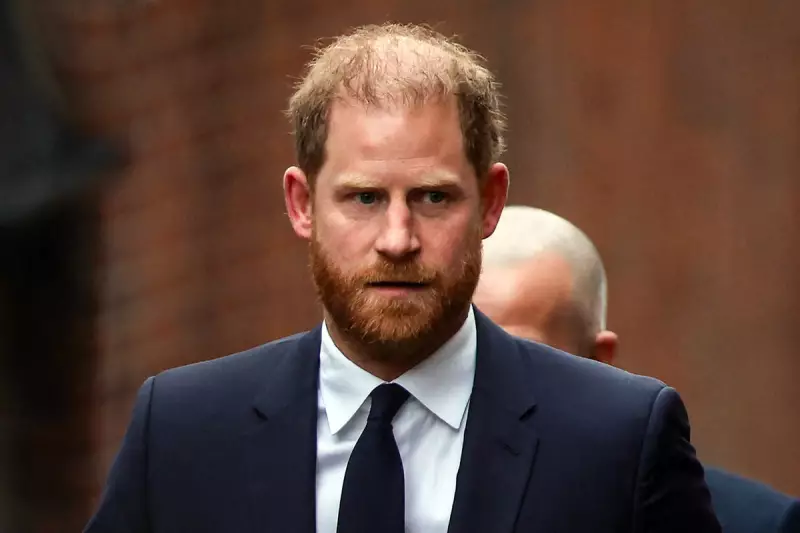
The High Court in London has become the stage for a landmark legal battle, as Prince Harry and several other high-profile figures have launched a major lawsuit against the publisher of the Daily Mail.
Systematic Unlawful Gathering Alleged
On Monday 19 January 2026, the court heard explosive opening arguments from the claimants' lawyer, David Sherborne. He accused Associated Newspapers Limited (ANL) of engaging in what he described as "clear, systematic and sustained" unlawful information gathering over a period of at least two decades.
Mr Sherborne outlined a catalogue of alleged intrusive activities he claims were commissioned by the publisher. These reportedly included:

- Hiring private investigators to conduct surveillance.
- Placing covert listening devices.
- "Blagging" or illegally obtaining private records.
- Accessing and intercepting private phone conversations.
Missing Documents and Destroyed Emails
A central and dramatic claim made to the court concerns the alleged destruction of evidence. David Sherborne pointed to "masses upon masses of missing documents" and made the stark allegation of a "mass destruction of any pre-2004 emails" by the newspaper group.
This, the claimants argue, severely hampers their ability to fully uncover the extent of the alleged unlawful practices. The lawyer suggested this action indicated the publisher knew it had damaging information to hide.
Publisher's Denial and Key Witnesses
Associated Newspapers Limited, which also publishes the Mail on Sunday, has issued a strong denial of all allegations. The company is defending the case vigorously.
The trial is scheduled to last for nine weeks and is expected to feature testimony from some of the most prominent names involved. Prince Harry himself is due to give evidence, as is former Daily Mail editor Paul Dacre. Their appearances will be closely watched, promising to deliver further dramatic moments in a case that strikes at the heart of press privacy and ethics in the UK.
The outcome of this High Court battle could have significant repercussions for the British media landscape and the ongoing debate about the boundaries of investigative journalism and personal privacy.