Robodebt Report's Secret Chapter Finally Released to Public
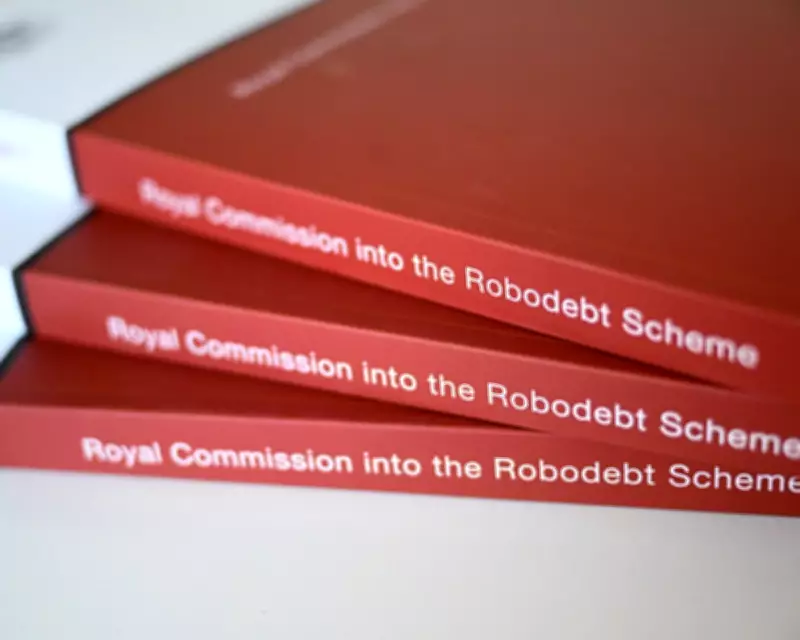
After nearly three years of confidentiality, a sealed section of the robodebt royal commission's report has been made public, shedding light on the individuals involved in the unlawful debt recovery scheme. This chapter, previously kept secret to avoid jeopardising potential legal proceedings, was tabled in parliament by Attorney General Michelle Rowland, marking a significant development in the long-running scandal.
What Was Contained in the Sealed Chapter?
The 56-page sealed chapter names public officials and one elected representative referred by Commissioner Catherine Holmes to various bodies for further investigation. These include referrals to the National Anti-Corruption Commission (Nacc), the Australian Federal Police, the Australian Public Service Commission, and the ACT Law Society. The release aims to provide transparency into the actions of those who drafted or managed the robodebt scheme, which was described as "crude and cruel" in the original report.
Among those named is former Prime Minister Scott Morrison, who, as social services minister in 2015, was criticised for failing to ensure cabinet was properly informed about the scheme's legality. Other officials referred include Kathryn Campbell, Serena Wilson, Mark Withnell, Annette Musolino, and Catherine Halbert. The chapter details their roles and the royal commission's findings, highlighting failures in ministerial responsibility and potential misconduct.

How Does This Compare to the Nacc's Findings?
The Nacc's report, released separately, concluded that only two of the six referred individuals—Mark Withnell and Serena Wilson—engaged in serious corrupt conduct. However, it found insufficient evidence for prosecutions. In contrast, the Nacc cleared Scott Morrison of corrupt conduct, disputing the royal commission's assertion that he should have suspected the scheme's illegality. This divergence in findings has sparked debate, with Morrison stating the Nacc's conclusions validate his rejection of the royal commission's criticisms.
Additionally, the Nacc report offered different perspectives on certain events, such as attributing instructions to PwC regarding the scheme's report to another official rather than Kathryn Campbell. Despite these variations, both reports underscore the scheme's flaws, including inaccurate debt calculations and failure to deliver projected savings.
Implications and Closure for the Robodebt Saga
With the sealed chapter's release and the completion of Nacc, AFP, and APSC referrals, the robodebt saga moves toward closure. The federal government has agreed to pay $475 million in additional compensation to approximately 450,000 victims, bringing total financial redress to over $2.4 billion. This includes debts forgiven or repaid by the government. While further criminal or civil actions may be pursued by individuals, the public disclosure of the sealed chapter provides a clearer picture of accountability and the scheme's devastating impact on welfare recipients.
The release has been met with mixed reactions, with some victims feeling let down by the corruption watchdog's findings. Nevertheless, it represents a crucial step in addressing the injustices of the robodebt scheme and ensuring such failures are not repeated in future policymaking.