Taxpayers Footed Bill for Prince Andrew's Luxury Spa Treatments During Official Trips
Retired civil servants have made startling claims that the cost of Prince Andrew's private massages during his overseas trips as Britain's trade envoy were covered by taxpayers. Whitehall officials reportedly expressed horror at the scale of Andrew's excessive spending on flights, hotel accommodations, and spa treatments throughout his decade-long tenure representing the United Kingdom internationally.
Contradicting Palace Statements
These revelations directly challenge previous statements from Buckingham Palace, which insisted as Andrew's role concluded in 2011 that he personally covered "all personal expenses" during trade missions. One former civil servant described being so appalled that public funds were financing Andrew's pampering that he attempted to block a payment for "massage services"—only to be overruled by superiors.
The former prince, currently under investigation for misconduct in public office regarding allegations he exploited his position to leak confidential information to convicted sex offender Jeffrey Epstein and other wealthy associates, faces mounting scrutiny over his financial conduct during his official duties.
Lavish Lifestyle on Public Funds
Andrew's penchant for luxury foreign travel between 2001 and 2011—characterized by private jet flights and extravagant hotel suites—earned him the nickname "Air Miles Andy" among critics. His trade envoy responsibilities were terminated in July 2011 following months of public outrage over his conduct and association with Epstein.
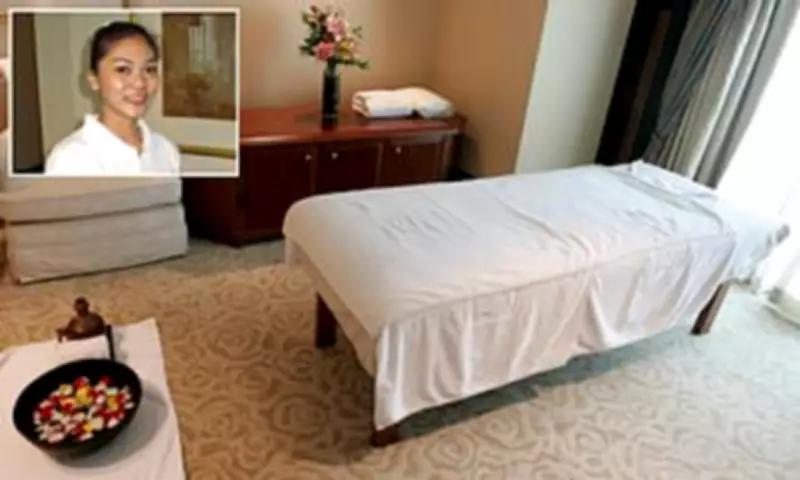
The decisive action came shortly after media reports revealed Andrew had enjoyed massages and stayed in a £1,200-per-night suite during an official trade visit to Indonesia that April. According to accounts, he booked hour-long treatments at the five-star Shangri-La Hotel with a masseuse named Ria, who recalled providing him three massages in a single day during a 2008 visit.
Systemic Approval Without Scrutiny
A retired civil servant who worked in the UK's trade department during the early 2000s told media outlets about a specific claim for "massage services" submitted after Andrew's Middle East trip. "I thought it was wrong... I'd said we mustn't pay it, but we ended up paying it anyway," the official stated, adding that the department missed crucial opportunities to monitor the royal's behavior by allowing such expenses to pass without question.
Another former senior Whitehall official responsible for overseeing finances in that area expressed shock at the scale of Andrew's lavish spending as envoy, including excessive flight costs, unreasonable numbers of hotel rooms, and charges for his entourage. "I couldn't believe it... it was like it wasn't real money, they weren't spending any of their own money," the source revealed.
Deference Overdue Diligence
The former official claimed payments related to Andrew's trips received automatic "rubber stamp" approval rather than proper scrutiny, attributing this to excessive deference shown to Andrew by top civil servants and their reluctance to challenge royal authority. This lack of control and inadequate record-keeping allowed questionable expenses to proceed unchecked.
Andrew's affinity for regular massages is further documented in the Epstein files, which note he received "daily massages" while visiting the disgraced financier in Florida. Additionally, Buckingham Palace reportedly paid for a masseuse to visit Andrew at the royal residence in June 2000, with an invoice showing £75 paid to Monique Giannelloni, who was recommended by Epstein's associate Ghislaine Maxwell.
Government Response and Ongoing Investigations
Downing Street has declined to comment on the specific allegations, with the Prime Minister's spokesman stating these matters fall under police jurisdiction. "That is something for the police to look at, not for me to comment on or give a running commentary on a live police investigation," the spokesman said, while confirming the government's readiness to assist police inquiries as needed.
These expense revelations compound Andrew's dramatic downfall, which culminated in his recent arrest and retreat to the Sandringham estate with minimal staff. The emerging financial details raise significant questions about accountability and oversight during his tenure as Britain's international trade representative.