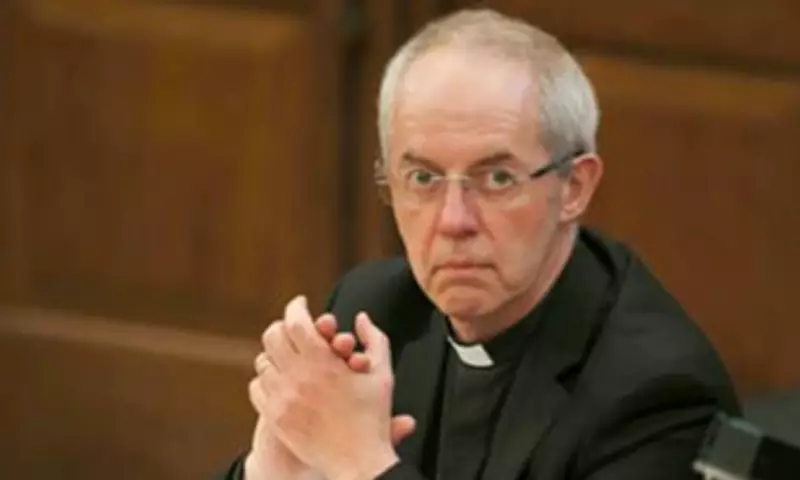
The former Archbishop of Canterbury, Justin Welby, has disclosed that he has sought professional psychological help to deal with the profound sense of failure stemming from the Church of England's handling of a devastating child sex abuse scandal. In a candid interview, the 70-year-old cleric admitted to consulting both a psychotherapist and a psychiatrist for a significant duration following his resignation in November 2024.
A Resignation Amidst Scandal
Welby's departure came just days after the publication of a shocking independent report into John Smyth, a prolific child abuser linked to the Church. The report, which scrutinised the Church's response, found that senior leaders, including Welby, were complicit in a 'conspiracy of silence'. It concluded that despite being aware of Smyth's abuse, they failed to report it to the police, allowing the abuse to continue unchecked.
Therapeutic Support for Coping
Speaking on the podcast Rosebud with former MP Gyles Brandreth, Welby explained his therapeutic journey. 'I've been seeing a psychotherapist for a considerable period of time. And a psychiatrist. Very helpful,' he stated. He emphasised that the therapy was not about minimising the issue but rather about learning 'how does one live with such a failure?' In addition to professional help, Welby has turned to his wife and his faith for support during this challenging period.
Reactions from Abuse Advocates
In response to Welby's comments, Andrew Graystone, an advocate for survivors of church-related abuse, expressed hope that the therapy would encourage deeper reflection. 'I hope that Justin Welby's therapists will help him to reflect on the experience of victims of abuse, and what it is about the theology and culture of the church that facilitates abuse and makes the church so resistant to transparency and repair,' Graystone remarked.
Contradictions and Criticisms
During the interview, Welby appeared to reject some accusations from the independent review's author, Keith Makin, while acknowledging shortcomings. He admitted being 'perceived not to have given enough priority to a group of victims', calling this perception 'absolutely correct'. However, he contested the claim that the abuse was not reported to the police, asserting, 'in fact, it had been reported to the police.'
Victim Perspectives
One of Smyth's victims, identified as 'Graham', voiced scepticism about Welby's stance. 'The former Archbishop says he has turned to therapy after his 'safeguarding failure' but then spends the rest of the interview trying to project that he did nothing wrong, need not have resigned, and was subsequently exonerated,' Graham told The Telegraph. He challenged Welby to accept that Smyth was never brought to justice, questioning, 'Is that not a failure?'
The Scale of the Abuse
John Smyth subjected over 100 boys and young men to 'traumatic physical, sexual, psychological and spiritual attacks' over five decades. He died without facing justice, highlighting the systemic failures within the Church. Last year, Welby admitted he 'got it wrong' by not acting on allegations presented to him, citing being overwhelmed by the scale of the abuse. 'As archbishop, there are no excuses,' he conceded.
Further Controversies
Welby faced criticism for his perceived casual attitude post-resignation, including cracking jokes in his House of Lords speech and attending a gala shortly after announcing his departure. He knew Smyth from Iwerne Trust holiday camps in Dorset, where additional abuse allegedly occurred, but denied this influenced his inaction. 'Yes I knew Smyth but it was an absolutely overwhelming few weeks,' he explained, though a victim countered, 'No one should be too busy to deal with a safeguarding disclosure.'
Historical Context and Mental Health
Welby served as the 105th Archbishop of Canterbury from 2013 to 2025, a tenure marked by this scandal. He has previously spoken about mental health struggles, revealing in 2019 that he took medication for depression. This latest revelation underscores the ongoing personal and institutional fallout from the Church's handling of abuse cases, raising questions about accountability and reform within religious institutions.