Wunmi Mosaku Condemns BBC Over BAFTA Racial Slur Broadcast Incident
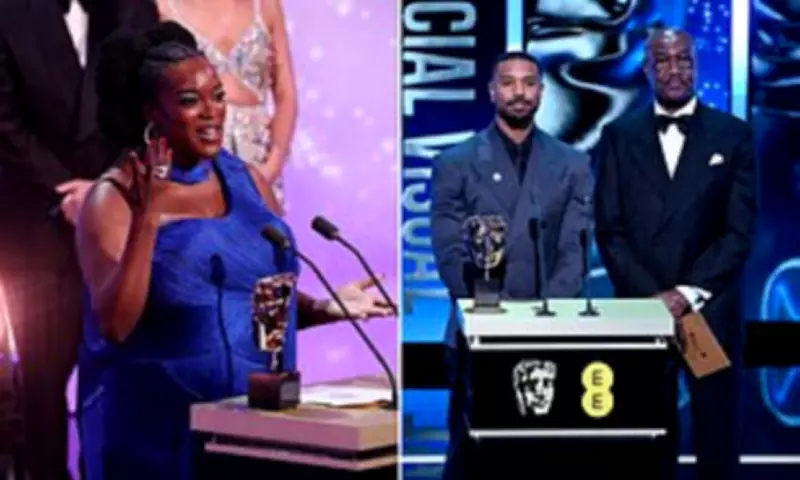
Acclaimed actress Wunmi Mosaku has publicly declared that her BAFTA-winning celebrations were profoundly 'tainted' by a racial slur that occurred during the ceremony and was subsequently broadcast by the BBC. The star of Sinners, who secured the Best Supporting Actress award last month, has vowed she 'won't forgive' the national broadcaster for its decision to retain the offensive language in the televised edit.
Controversial Night Overshadows Prestigious Win
The celebratory evening was marred when, as Mosaku's co-stars Michael B. Jordan and Delroy Lindo presented the first award, a man with Tourette's Syndrome, John Davidson, was heard uttering a racial slur due to an involuntary tic. Despite a two-hour delay before the BBC broadcast, the slur was not edited out, sparking widespread outrage and a formal investigation.
Speaking at the Actor Awards in Los Angeles, Mosaku elaborated on how the incident diminished her personal achievement. She emphasized that she holds no animosity towards Davidson, acknowledging his neurological condition, but instead directs her frustration squarely at the BBC for airing the moment.

Exploitation and Institutional Failure Alleged
Mosaku described the situation as 'exploitative and performative', criticizing the lack of protection for Davidson and the audience, which included children. She told Entertainment Tonight: 'I was there and it was painful to have that celebration kind of really tainted for me. I feel like BAFTA has a lot of lessons to learn.'
Her co-star Jayme Lawson echoed these sentiments, accusing BAFTA of exploiting Davidson's disability and labeling the BBC's actions as 'careless'. Lawson stated at the NAACP Image Awards: 'That man's disability got exploited that night, and it led to multiple offenses. That's BAFTA's fault. And the BBC, to air what they aired is careless.'
Lawson further highlighted institutional failings, noting that the BBC censored another Black filmmaker's speech while failing to protect Jordan and Lindo, questioning the broadcaster's commitment to inclusivity and dignity.
BBC Faces Scrutiny and Apologies
The BBC has issued an apology and initiated a fast-tracked investigation through its Executive Complaints Unit. Additionally, the Culture, Media and Sport Committee has written to outgoing director-general Tim Davie, demanding an explanation for the broadcast lapse. Committee chair Dame Caroline Dinenage referenced previous incidents, questioning whether adequate controls are in place to prevent such occurrences.
John Davidson, whose life with Tourette's is chronicled in the film I Swear, expressed being 'deeply mortified' by the outburst and suggested the BBC should have 'worked harder' to prevent its broadcast.
Support and Solidarity Emerge
Amid the controversy, Delroy Lindo broke his silence at the NAACP Image Awards, thanking supporters for their love and framing the incident as a negative turned positive through community solidarity. He told the audience: 'It is an honour to be here amongst our people this evening... it's a classic case of something that could've been very negative becoming very positive.'
The incident has ignited a broader conversation about institutional responsibility, disability accommodation, and racial sensitivity in live broadcasting, with calls for systemic changes to ensure such failures are not repeated.