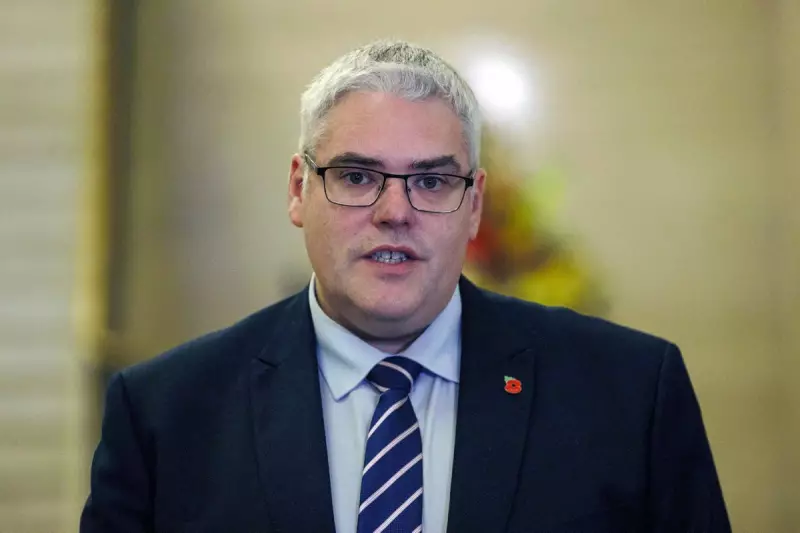
Democratic Unionist Party (DUP) leader Gavin Robinson has issued a sharp rebuke to the Irish Republic's foreign minister, describing her comments on proposed changes to the Northern Ireland Troubles Bill as a 'clear challenge' to UK sovereignty.
Diplomatic Tensions Over Legacy Legislation
The row erupted after Irish Foreign Minister Helen McEntee stated during a visit to Parliament Buildings in Belfast that any significant changes to the contentious legislation must have the full agreement of both the UK and Irish governments. This followed indications from Prime Minister Sir Keir Starmer that his government would add new protections for military veterans to the Bill.
The legislation is based on a joint UK-Irish framework announced in September 2025, which outlined measures for dealing with historical cases from the Northern Ireland conflict. That agreement committed to reforming structures set up by the previous Conservative government's Legacy Act, including scrapping a controversial conditional immunity offer for perpetrators.

Veterans' Protections at the Heart of the Dispute
In a communication to party members, Mr Robinson said he had challenged the Prime Minister to ensure the Bill 'must properly protect our veterans'. He paid tribute to those who served, stating they deserved 'gratitude and respect, not the prospect of legal jeopardy decades later'.
'It is vital that any legal framework clearly distinguishes between those who upheld the law and those who sought to undermine it through terrorism and violence. To blur that line is morally wrong and unjust,' the DUP leader argued.
He sharply criticised Ms McEntee's swift response to the proposed amendments, framing it as an ultimatum: 'will he side with sovereignty and protect our armed forces or spinelessly surrender to the Republic who have delivered nothing for victims?'
Stormont Budget Also Under Fire
Mr Robinson also turned his criticism to domestic matters, targeting the draft budget published by Stormont Finance Minister John O'Dowd. He asserted the document was published without Executive agreement and 'cannot be treated as settled'.
'While we recognise the real financial pressures facing Northern Ireland, the priorities John O'Dowd has chosen raise serious concerns,' he said, highlighting severe strain on public services like education. He warned that significant changes would be needed to secure DUP support and stressed the importance of delivering major infrastructure projects for investment and growth.
The developments underscore the delicate political and diplomatic balancing act facing the Labour government as it navigates the highly sensitive legacy of the Troubles while managing relationships within the UK and with the Irish government.