A legal battle unfolding in Alaska has cast a stark light on the complex citizenship status of American Samoans, as a state appeals court considers whether to dismiss serious voter misconduct charges against a resident born in the US territory.
The Core of the Legal Dispute
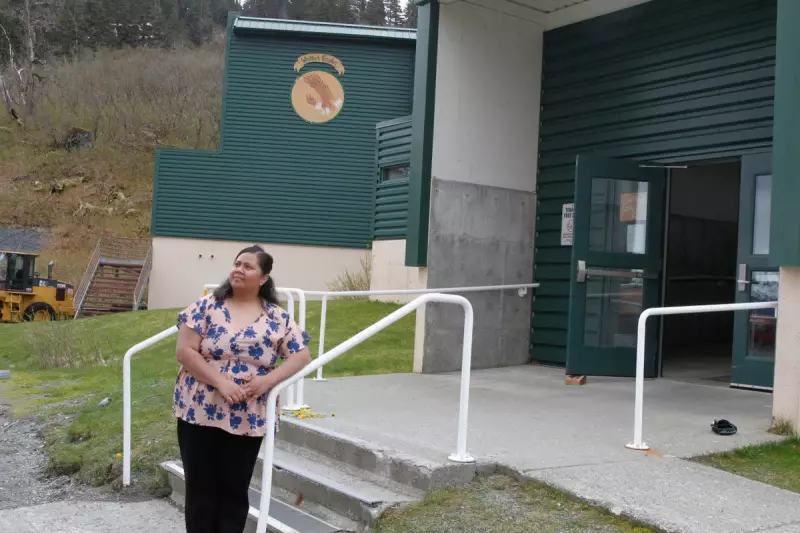
On Thursday 15 January 2026, attorneys for Tupe Smith presented arguments before the Alaska Court of Appeals in Anchorage. They are seeking to overturn a lower court's decision that allowed an indictment against her to stand. Smith, an Alaska resident originally from American Samoa, faces felony charges for allegedly falsely claiming US citizenship on voter registration forms.
Prosecutors contend that Smith deliberately and falsely swore she was a citizen. They highlight the explicit language on the forms she completed in 2020 and 2022, which stated that only those aged 18 or over and who are US citizens should proceed.

However, Smith's defence paints a picture of an innocent mistake. She was elected to a regional school board in 2023 before her arrest. Her legal team argues she relied on incorrect guidance from local election officials in the small community of Whittier, where she resides. According to a 2024 court filing, city representatives allegedly told her it was appropriate to mark "US citizen" when the option for "US national" was absent.
A Territory with a Unique Status
This case underscores the unique political standing of American Samoa. It is the only US territory where individuals are not granted automatic citizenship at birth. Instead, they are designated as US nationals. This status allows them to serve in the US military, obtain US passports, and vote in local Samoan elections, but it bars them from holding most public offices in the US or voting in federal elections.
Paths to full citizenship, such as naturalisation, exist but can be costly and administratively burdensome. Smith's case is one of several that have drawn attention to this legal grey area. In Whittier alone, prosecutors have brought charges against 10 other individuals from American Samoa, including Smith's husband and mother-in-law.
Contrasting Arguments and Wider Implications
Smith's current attorneys argue she exercised what she believed was her right to vote in a local election without intent to deceive. A September filing stated her belief that US nationals could vote locally was "simply mistaken" and based on official advice.
The state, represented by Assistant Attorney General Kayla Doyle, maintains the charges are straightforward, concerning only whether Smith intentionally lied about her citizenship status on official forms.
Neil Weare, co-founder of the Right to Democracy Project and one of Smith's lawyers, warned of broader consequences. He suggested that if the appeals court upholds the indictment, Alaska would set a dangerously low threshold for felony voter fraud prosecutions.
The outcome of this appeal will be closely watched, as it touches on fundamental questions of voting rights, citizenship, and the legal identity of thousands of US nationals from American Samoa living across the United States.