Albanese Approval Plummets as Fuel Crisis and Middle East Conflict Response Criticised
A new poll has revealed a sharp decline in Prime Minister Anthony Albanese's approval rating, driven by growing public dissatisfaction with his government's response to the global fuel crisis and the ongoing Middle East conflict. The Freshwater Strategy survey, conducted among 1050 voters, shows that Albanese's net approval has fallen 9 points from -9 in January to -17 in March, indicating a significant erosion of public trust.
Poll Highlights Deep Concerns Over Fuel Crisis Management
The poll results are particularly stark regarding the fuel crisis, with 59 per cent of respondents expressing dissatisfaction with the government's handling of the issue. This comes amid a backdrop of economic strain triggered by the closure of the Strait of Hormuz, a key oil shipping route, due to the war involving the United States, Israel, and Iran. The survey was conducted before the Albanese government announced a temporary halving of the fuel excise to 26.3 cents per litre for the next three months, a move aimed at providing some relief to consumers.
Jordan Meyers, head of research at Freshwater, commented: 'The cut to fuel excise will offer some temporary respite, but Australians will be watching closely to ensure those savings are passed on to consumers. While voters do not hold Prime Minister Anthony Albanese and his government to be responsible for the fuel crisis, they are largely dissatisfied with his response to date.'
Mixed Views on Conflict Response and Political Shifts
Interestingly, the poll found that voters were evenly split on the government's response to the Middle East conflict, highlighting a more nuanced public opinion on this complex issue. However, the political landscape is shifting, with Labor's primary vote slipping to 32 per cent, a drop of three points since last May's election and one point since January. The Coalition trails at 23 per cent, while Pauline Hanson's One Nation has overtaken them with 25 per cent in the primary vote, signalling potential volatility in the electorate.
Backlash Over Pre-Recorded National Address
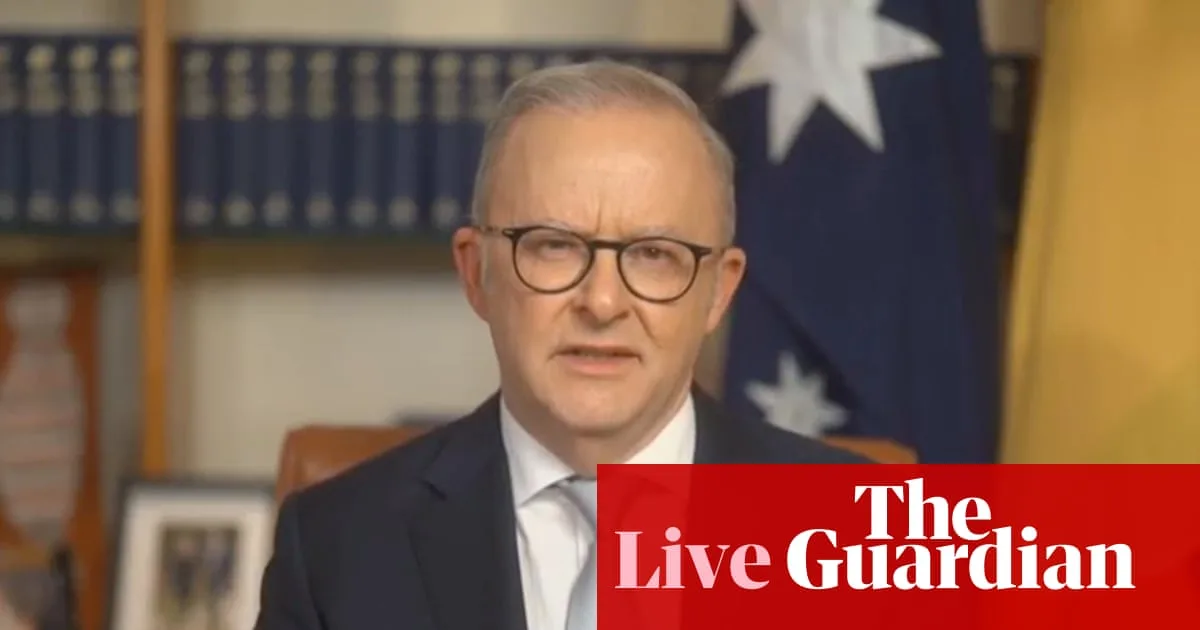
Adding to the Prime Minister's woes, backlash continues over his rare address to the nation on Wednesday night, his first since the Covid pandemic. In the pre-recorded message, Albanese sought to reassure Australians about the fuel crisis and its knock-on effects, urging calm and discouraging stockpiling. However, thousands of Australians quickly expressed disappointment, with many questioning why he opted for a pre-recorded format instead of a live speech, which some viewed as less engaging and transparent.
Key points from the address and public reaction include:
- Albanese warned that the coming months will remain difficult due to global economic effects from the Middle East conflict.
- He emphasised the need for Australians to go about their business as normal and avoid panic-buying fuel.
- Critics argued that the pre-recorded nature of the address limited its impact and failed to address pressing concerns effectively.
As the fuel crisis persists and geopolitical tensions simmer, the Albanese government faces mounting pressure to improve its communication and policy responses. With approval ratings in decline and political competition intensifying, the coming months will be critical for restoring public confidence and navigating these complex challenges.