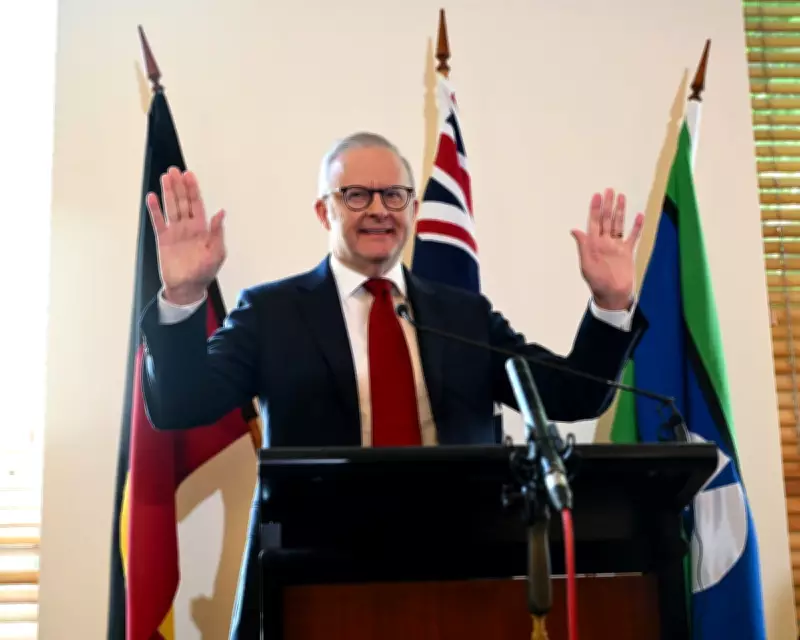
Albanese Derides Coalition's 'Reality TV' Disarray Amid Mounting Government Tests
Prime Minister Anthony Albanese has seized upon the Coalition's internal turmoil, likening it to a chaotic break-up on a reality television programme during a spirited address to the Labor caucus. As federal parliament resumed, the opposition's disorganisation provided a moment of political theatre, with Nationals debating a leadership spill and Deputy Liberal Leader Sussan Ley facing intense pressure.
Momentary Political Glee Overshadows Looming Policy Mountains
While government MPs enjoyed the spectacle, the Albanese administration confronts a formidable array of policy challenges as it moves into the delivery phase of its second term. Despite commanding a substantial 94-seat majority and a stable cabinet, the road to the probable 2028 election is paved with complex issues that will define the government's legacy and the nation's trajectory.
The immediate economic battleground centres on the Reserve Bank's cash rate decision, with the Coalition poised to weaponise any interest rate hike against a government grappling with persistent cost-of-living pressures. Returning inflation to the target band of 2% to 3% represents a critical, make-or-break economic test for Treasurer Jim Chalmers and the Prime Minister.

Security, Emissions, and Diplomatic Tightropes
Beyond the economy, a royal commission into antisemitism and social cohesion, led by Commissioner Virginia Bell, alongside a review of intelligence agencies by former Asio chief Dennis Richardson, could expose significant security shortcomings. These inquiries follow the tragic events at Bondi Beach and carry profound implications for national cohesion.
On the environmental front, the government faces a herculean task to meet its 43% emissions reduction target by 2030, requiring a dramatic acceleration in renewable energy adoption. The even more ambitious goal of cutting emissions by 62% to 70% by 2035 necessitates a fundamental reorientation of the nation's energy system, all while household power bills continue to climb.
Diplomatically, managing the Aukus nuclear agreement amidst the unpredictability of a potential second Trump presidency presents a delicate challenge. Simultaneously, navigating Australia's relationship with China, particularly concerning Taiwan, demands careful statecraft amid global power realignments.
Budgetary Pressures and Unfinished Business
The forthcoming May budget must balance major new spending commitments, such as universal childcare, against the imperative to curb growth in the National Disability Insurance Scheme and aged care. While National cabinet has agreed to trim NDIS growth, the precise path to achieving these savings remains unclear.
Internal government challenges also loom large, including discontent over the failure to tackle sports betting advertising and proposals to expand parliament to reflect population growth. Furthermore, Indigenous affairs have largely vanished from the agenda since the Voice referendum, with Albanese's promised comprehensive economic policy for First Nations communities yet to materialise.
The AI Revolution and Avoiding Complacency
Perhaps the most profound unknown is the technological earthquake of artificial intelligence, which threatens to reshape work, undermine information ecosystems, and challenge institutional foundations. As Albanese warns his opponents risk succumbing to drama and dishonesty akin to reality television, maintaining vigilance against a false sense of security will be paramount for both the Labor government and the nation it leads.