Archbishop of York Decries BBC's 'Appalling Lack of Religious Literacy'
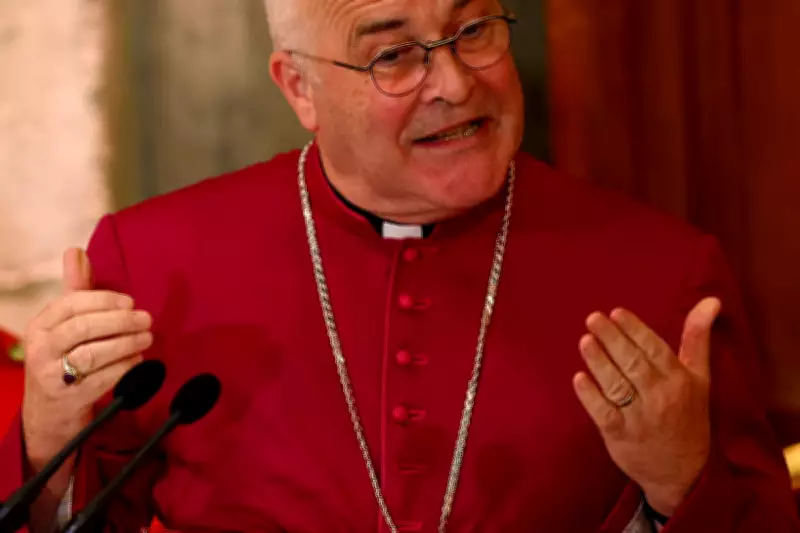
The Archbishop of York, Stephen Cottrell, has expressed his deep "sadness and distress" at what he describes as an "appalling lack of religious literacy" within the BBC. As the Church of England's second most senior bishop, he criticised the public broadcaster's approach to religious content, labelling it the "poor and underfunded relative" in its programming lineup.
Broader Concerns Over Religion in BBC Output
Archbishop Cottrell emphasised that his worry extends beyond traditional religious broadcasting. He stated, "My concern is much more about the place of religion across the whole output of the BBC, rather than simply seeing it as religious broadcasting in that rather more narrow definition." He reiterated his dismay, noting the significant gap in understanding that permeates much of the corporation's content.
His remarks were made during a discussion organised by the Religion Media Centre on Tuesday, focusing on a government document published in December. This paper outlined proposed changes to the BBC Charter ahead of its renewal at the end of 2027. A consultation accompanying the document highlighted religious programming, along with arts and international affairs, as "under-served genres" that the BBC should make more visible.

Religion as a 'Precious Bulwark' Against Division
Archbishop Cottrell argued that religious and public service broadcasting serves as a "precious bulwark against polarisation" in an increasingly divided world. He observed, "When you think about the distressing polarisation of our society at the moment, the echo chambers within which people live and receive news and information, I know it's a hard thing to fight for – religious broadcasting and public service broadcasting – but I believe it is a precious bulwark against polarisation, intolerance, prejudice, chaos."
He stressed that "religion is a vital part of how millions and millions of people in Britain today get their belonging, their values, their purpose, their identity." Concluding his point, he warned that "religious broadcasting increasingly becomes the poor and underfunded relative in a BBC which I believe needs to be reminded of its core business."
Contrasting Views from Humanists UK
In response, Andrew Copson, chief executive of Humanists UK, offered a contrasting perspective. He argued that the BBC must reflect "the full reality of modern Britain, including the majority who are now non-religious." Mr Copson stated, "The BBC's religion output, such as Thought For The Day, remains heavily weighted towards programmes 'by believers for believers', with no equivalent space for humanists and other non-religious people to speak directly about their ethical outlook and sense of meaning."
He added, "If the BBC is to strengthen social cohesion, it should be genuinely inclusive. It must treat non-religious worldviews with equal respect and proportionate visibility, rather than sustaining one set of identities while excluding others." The BBC has been contacted for comment on these remarks, highlighting the ongoing debate about balance and representation in public broadcasting.