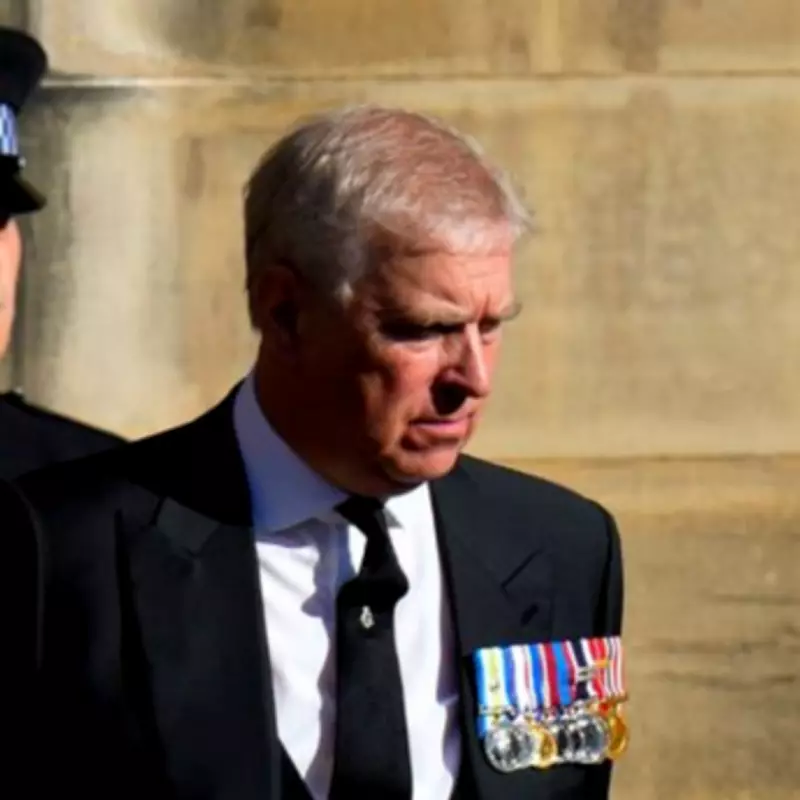
International Leaders Endorse Removal of Prince Andrew from Royal Succession
The governments of Australia and New Zealand have delivered a significant international blow to Prince Andrew, publicly stating they would support his removal from the line of succession to the British throne. This coordinated stance comes in response to what Australian Prime Minister Anthony Albanese described as "grave allegations" facing the disgraced royal.
Arrest and Allegations Prompt International Response
Prince Andrew, whose full name is Andrew Mountbatten-Windsor, was arrested last Thursday on suspicion of misconduct in public office. The investigation centers on allegations that he shared sensitive information with convicted paedophile financier Jeffrey Epstein while serving as the United Kingdom's trade envoy between 2001 and 2011.
Although stripped of his military titles and royal patronages last year, Prince Andrew remains eighth in line to the throne. Removing him permanently would require an Act of Parliament, a process that now appears to be gaining international momentum.

Official Statements from Pacific Leaders
A spokesperson for New Zealand Prime Minister Christopher Luxon stated unequivocally: "If the UK Government proposes to remove Andrew Mountbatten-Windsor from the order of succession, New Zealand would support it. The UK Government has said any proposals would come after the police investigation concludes."
This declaration follows similar correspondence from Australian Prime Minister Anthony Albanese to UK Prime Minister Sir Keir Starmer. In his letter, Albanese confirmed his government would support "any proposal" to remove Andrew from the succession line, emphasizing that "Australians take them seriously" regarding the allegations.
Albanese further revealed to the Australian Broadcasting Corporation that Starmer "thanked me for our position" during their discussions. The Australian government plans to formally communicate this stance to other Commonwealth realms.
Parliamentary Pressure Mounts in Westminster
Meanwhile, political pressure continues to build in the United Kingdom. The Liberal Democrats have announced they will table a humble address in the House of Commons on Tuesday, February 24, seeking to force the public release of files relating to Prince Andrew's appointment as trade envoy.
This parliamentary mechanism, previously used by Conservative MPs to press for transparency regarding Lord Mandelson's diplomatic appointment, aims to compel the government to disclose information about Andrew's vetting process and correspondence surrounding his 2001-2011 tenure.
Calls for Transparency and Accountability
Liberal Democrat leader Sir Ed Davey articulated the growing demand for transparency: "The public is rightly demanding to know how Andrew Mountbatten-Windsor was appointed to represent our nation in a high-level trade role. We need to see the vetting files, the due diligence reports, and the correspondence to understand how this appointment came to be, and whether glaring warning signs were missed."
Davey emphasized broader principles of accountability, stating: "No one, regardless of their title or their friends, should be beyond the scrutiny of Parliament. It is time to end the age of impunity, scrap rules that stifle scrutiny or debate, and ensure that everyone in public office – no matter how powerful – can be held properly to account."
Investigation and Legislative Considerations
Reports indicate the UK Government will consider introducing legislation to remove Prince Andrew from the line of succession once police conclude their investigation. The prince has consistently denied any wrongdoing regarding his connections to Jeffrey Epstein but has not publicly addressed the latest allegations of misconduct in public office.
This developing situation represents one of the most significant challenges to royal succession protocols in modern British history, with international allies now formally aligning their positions with domestic political pressure for accountability and reform.