Australian Government Under Fire Over Home Affairs and Economic Productivity
The Australian government, led by Prime Minister Anthony Albanese, is currently facing intense scrutiny on multiple fronts, with key ministers addressing critical issues that have sparked debate across the political spectrum. Home Affairs Minister Tony Burke is at the centre of attention as he navigates complex matters related to Syria, while Treasurer Jim Chalmers is responding to the latest findings from the Productivity Commission, which highlight concerns about the nation's economic performance.
Tony Burke's Handling of Syria-Related Affairs
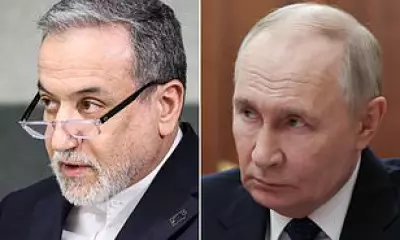
Home Affairs Minister Tony Burke has been actively involved in managing Australia's response to ongoing situations in Syria, a topic that has drawn significant public and political interest. His approach is being closely monitored by both supporters and critics, with some questioning the effectiveness of current policies. The Federal Police are also playing a role in these matters, ensuring national security protocols are upheld amidst the evolving international landscape.
Productivity Commission Report Sparks Economic Debate
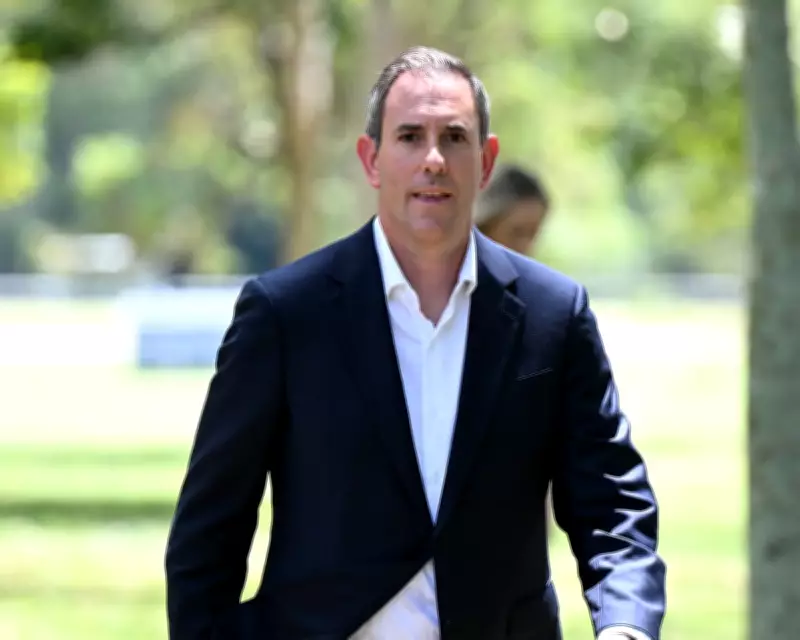
Meanwhile, Treasurer Jim Chalmers is addressing the Productivity Commission's recent report, which has raised alarms about Australia's productivity levels. The findings suggest that without strategic interventions, the country could face economic challenges in the coming years. Chalmers has emphasised the government's commitment to implementing reforms aimed at boosting productivity, but opposition figures, including Liberal Party member Angus Taylor, have criticised the Labor administration's handling of the economy, arguing that more decisive action is needed.

Political Tensions Between Labor and Liberal Parties
The political landscape in Australia remains highly charged, with the Labor Party and the Liberal-National Coalition engaging in heated debates over these issues. Angus Taylor, a prominent figure in the Coalition, has been vocal in his opposition to the government's strategies, accusing them of mismanagement and calling for alternative approaches. This partisan divide is expected to influence upcoming policy discussions and could impact public opinion as the government seeks to maintain stability and progress.
As these developments unfold, the Australian public is watching closely, with many expressing concerns about national security, economic resilience, and the overall direction of the country under the current administration. The government's ability to address these challenges effectively will likely be a key factor in its future political fortunes.