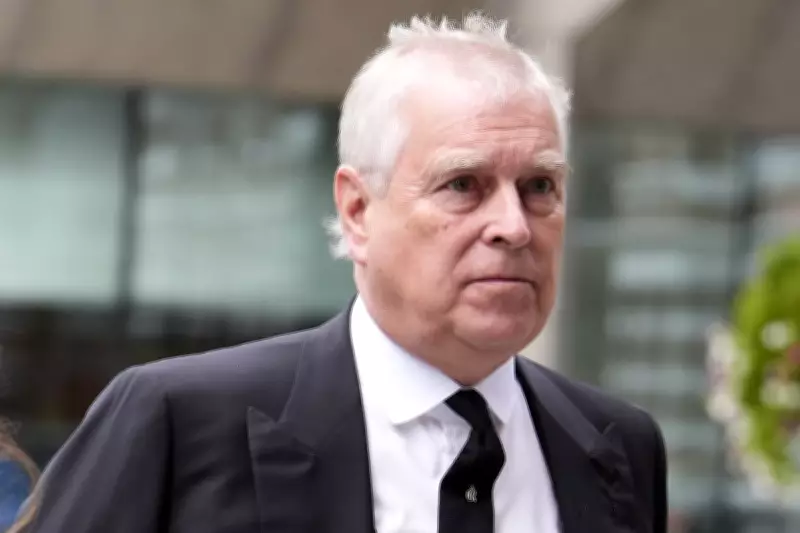
Australian Prime Minister Backs Removal of Prince Andrew from Royal Succession
Australian Prime Minister Anthony Albanese has formally expressed his government's support for any proposal to remove Prince Andrew, the Duke of York, from the line of royal succession. This significant development follows the arrest of Prince Andrew on suspicion of misconduct in public office, with allegations that he shared sensitive information with the late convicted paedophile financier Jeffrey Epstein.
Arrest and Allegations Against Prince Andrew
Prince Andrew, whose full name is Andrew Mountbatten-Windsor, was arrested on his 66th birthday. Officers conducted searches at his Sandringham Estate home before he was released under investigation. The arrest centres on accusations of sharing sensitive information with Jeffrey Epstein, a figure at the heart of multiple high-profile sex trafficking cases.
In addition to these serious allegations, retired civil servants have come forward with claims that Prince Andrew misused taxpayer funds during his tenure as the UK's trade envoy. These allegations include using public money for personal massages and incurring excessive travel costs, further complicating his legal and public standing.

International Political Response
Prime Minister Albanese wrote directly to UK Labour leader Sir Keir Starmer, stating that his government would back any move to remove Prince Andrew from the line of succession. In his correspondence, Albanese cited the "grave allegations" that Australians take very seriously, emphasising that the law must be allowed to take its full course without interference.
This international endorsement adds considerable weight to domestic calls for accountability. The Labour Party, under Sir Keir Starmer's leadership, has indicated that it is "not ruling anything out" regarding the potential removal of Prince Andrew from the succession line, reflecting a cautious but firm approach to the unfolding situation.
Implications for the Royal Family and Succession
The royal line of succession, which determines the order in which members of the British royal family inherit the throne, is governed by both tradition and law. Any alteration to this line requires parliamentary approval and significant political consensus, both domestically and within the Commonwealth realms, including Australia.
Prince Andrew's position in the succession, while currently distant from the throne, has become a focal point for discussions on accountability and the integrity of public office. The allegations of misconduct, combined with the misuse of taxpayer funds, have sparked widespread debate about the appropriateness of his continued inclusion in the line of succession.
As investigations proceed, the support from the Australian government underscores the international dimension of this issue, highlighting how royal conduct can impact diplomatic relations and public trust across the Commonwealth. The situation remains fluid, with legal processes and political deliberations expected to shape the final outcome.