BBC Explores Major Licence Fee Expansion to Radio and Digital Services
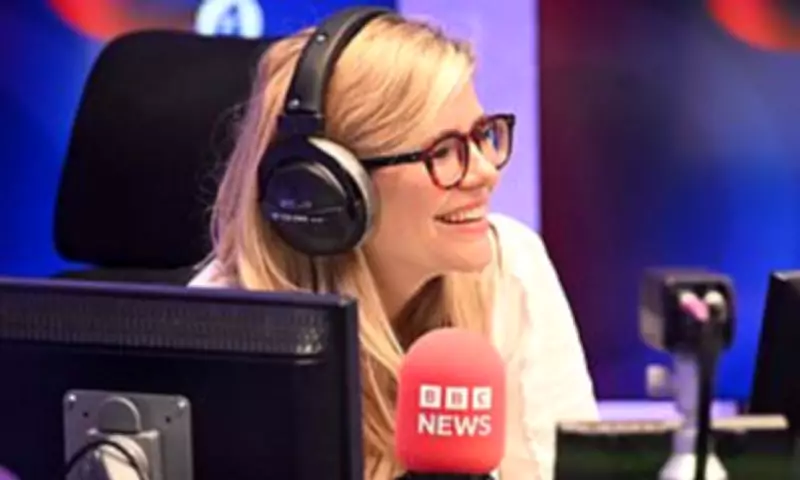
Senior executives at the BBC are actively considering a series of highly controversial proposals that would fundamentally reshape how the British public pays for the broadcaster's services. The most significant change under discussion would require households to pay the television licence fee simply to listen to BBC radio channels or to access its news website, a move that would dramatically expand the scope of the mandatory charge.
Funding Crisis Prompts Radical Rethink
The corporation is urgently exploring alternative funding models following a sustained decline in the number of people paying the annual fee. With the cost of the licence fee now standing at £174.50 for watching live television or using BBC iPlayer, the broadcaster faces mounting financial pressure. The Daily Mail reported in November that approximately one in eight households now declare they do not require a TV licence, leading to potential losses estimated at up to £550 million annually.
BBC management have expressed concern that below-inflation increases in recent years have constrained their operations, and they are actively lobbying for a new financial settlement before 2027, when the royal charter governing the organisation is due for renewal.
Three-Tiered Proposal Under Consideration
Three primary options are being examined by BBC leadership. The first would extend the licence fee requirement to cover radio listening and website access, areas currently exempt from the charge. Currently, Britons must pay only if they watch live television or any programme on BBC iPlayer, with no requirement for tuning into radio channels, listening to podcasts, or accessing the BBC website.
A second proposal involves expanding the fee so viewers would be charged for streaming BBC content through external services such as Netflix or ITV. A third, more progressive model would introduce a sliding scale where wealthier households pay more, effectively subsidising the licence fee for lower income families.
Board Meeting Discusses Universal Approach
During a board meeting held on Wednesday, one option discussed was to spread out the cost of the licence fee by increasing the number of people required to pay it. This approach aims to raise more money overall while potentially lowering the average cost per household. A BBC insider told The Times: 'Our priority is ensuring the BBC is sustainable as a universal public service beyond just the next few years. That shouldn't mean the price for ordinary households goes up. We're very sensitive to that pressure.'
The same source added: 'Ministers have set out an ambitious agenda of what the BBC should be and we are open to all ideas that, as the consultation says, ensures the organisation "not just survives, but thrives" in this competitive media landscape.'
Growing Public Discontent with Current Model
The future of the licence fee faces increasing scrutiny amid a sharp decline in traditional television viewing and growing public dissatisfaction. Last year, several individuals spoke to the Daily Mail about their decisions to stop paying the fee, citing various concerns about the broadcaster's direction.
Former Conservative MP and ex-BBC staffer Matthew Offord revealed he stopped paying his licence fee after leaving Parliament, stating: 'I concluded that I would pay it while I was an MP, but when it expired, I could not bring myself to do so. The atmosphere was toxic when I was employed, but the continuing behaviour of individuals, the groupthink and the rejection of anti-Semitism in their reporting was too much for me.'
Another former BBC employee, Robin Whelan, 53, from Surrey, explained his decision: 'After many years of paying as a BBC staff member, I stopped. I took stock of what I actually used the BBC for. Its website, radio and a little catch-up.'
Viewer Evasion and Editorial Controversies
A report by the Commons Public Accounts Committee revealed that 2.9 million BBC viewers evaded paying the annual fee, while £617 million was lost from 3.6 million households declaring they don't need a licence. This financial challenge coincides with editorial controversies that have damaged public trust, including a Panorama episode that edited footage of a Donald Trump speech regarding the Capitol riots, leading to the resignation of boss Sir Tim Davie.
Reverend Norman Nicoll, 70, from Angus, cancelled his licence fee a year ago due to his 'disillusionment with the woke BBC,' claiming the corporation's 'high standards have plummeted' in recent years. Jane Delmege, 71, from North Yorkshire, said she sees the fee as 'another tax' and believes the BBC 'should be self-funding,' adding: 'BBC used to be the go to for news, but I no longer trust them and I am sick and tired of all the woke programmes. I prefer to choose what I pay for.'
The Daily Mail has contacted the BBC for comment regarding these proposed changes to the licence fee system.