Suella Braverman's Dramatic Defection to Reform UK
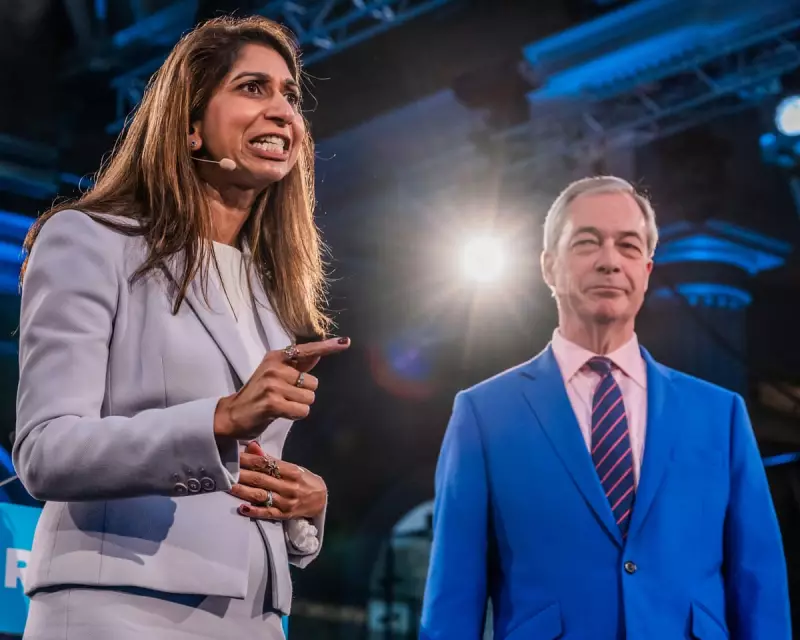
In a move that surprised few political observers yet captured significant attention, former Home Secretary Suella Braverman has officially defected from the Conservative Party to join Nigel Farage's Reform UK. The announcement came during what was intended to be a rally for military veterans in east London, which Farage commandeered to welcome his new recruit to the stage.
A Long-Awaited Political Shift
Most attendees at Monday's event had to remind themselves that Braverman hadn't actually defected long ago. Her political alignment with Reform's ideology had been apparent for some time, making this transition feel more like a formal acknowledgement than a genuine surprise. As one political commentator noted, "She was Reform long before Reform even existed."
This defection represents a significant blow to the Conservative Party, particularly given Braverman's previous high-profile roles as Attorney General and Home Secretary. The timing adds pressure to new Tory leader Kemi Badenoch, who now faces questions about party unity and direction.

The Patriotism Narrative
In her speech, Braverman framed her decision as an act of ultimate sacrifice and patriotism. "In her own way Suella had put her own life on the line out of love for her country," she declared to the assembled veterans, drawing a parallel between their military service and her political career.
Without apparent irony, she then launched into a discourse on loyalty as a supreme virtue, despite having just abandoned the party she served in government. This cognitive dissonance characterised much of her address, as she positioned herself as both victim and hero of the political establishment.
Immigration and Policy Criticisms
Braverman used the platform to reiterate her hardline stance on immigration, despite record levels occurring during her tenure as Home Secretary. She spoke of her parents' immigration stories - her father expelled from Kenya, her mother arriving from Mauritius - only to declare that "this must never be allowed to happen again."
Notably absent from her remarks was any reference to her previous controversial statement that rough sleeping represents a "lifestyle choice," particularly striking given the event's focus on veterans' issues including homelessness among ex-service personnel.
Attacking Former Colleagues
The former Home Secretary concluded with an extended critique of the Conservative Party, declaring "We failed you," while carefully distancing herself from any responsibility. She portrayed her two sackings from government - first by Liz Truss for breaking the ministerial code, then by Rishi Sunak for criticising police - as badges of honour rather than professional failures.
This narrative of blameless victimhood extended to immigration policy, where she suggested the record numbers during her watch were "nothing to do with her," despite having been the minister directly responsible.
Farage's Calculated Welcome
Nigel Farage's decision to hijack a veterans' rally for the defection announcement raised eyebrows, particularly given recent controversies surrounding his admiration for Donald Trump, who recently insulted British service personnel. The Reform leader appeared to prioritise political theatre over the event's original purpose, treating the veterans as "grunts" to his "general."
This defection continues Reform's transformation into what some critics describe as "the very worst of the Tories," welcoming figures previously considered too controversial even for the Conservative right wing. The move suggests Farage is prioritising headline-grabbing acquisitions over ideological purity, despite previous assurances that Reform wouldn't become a "convalescent home for disgraced and failed Tory MPs."
Political Implications
Braverman's defection represents several significant developments in British politics:

- The continued fragmentation of the right-wing vote ahead of the next general election
- Reform UK's evolving strategy of recruiting established political figures rather than political outsiders
- Growing pressure on the Conservative Party's right flank as high-profile figures seek alternatives
- Questions about political loyalty and careerism in an increasingly volatile political landscape
As Braverman settles into her new political home, observers note that Farage would be wise to monitor his new recruit closely. "She is a politician you would do well not to trust," cautioned one commentator, highlighting the potential for future tensions within Reform's ranks.
The defection's ultimate impact will become clearer in the coming months, but it undoubtedly represents another chapter in the ongoing realignment of British politics, where traditional party loyalties are increasingly secondary to personal ambition and ideological purity.