Britain Cannot 'Stay Out' of War in the Middle East
The desire to remain detached from foreign conflicts is a comprehensible sentiment, and there is no disgrace in Labour neutralist John McDonnell seeking support from Liberal Democrats and Greens in Parliament to obstruct the United States from utilising British bases for assaults on Iran. However, it is fundamentally impossible for Britain to maintain complete disengagement from the escalating turmoil in the Middle East.
Economic and Security Imperatives
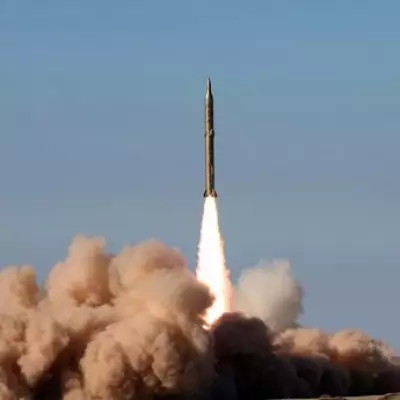
The standard of living for British citizens is directly impacted by the closure of the Strait of Hormuz, a critical maritime chokepoint. British expatriates residing in several Gulf nations, which are key allies, face vulnerability to Iranian missile threats. Additionally, British military installations, including those in Cyprus and Diego Garcia, fall within the operational range of potential attacks.
Mr McDonnell likely advocates for relinquishing British military bases worldwide and believes that expatriates and host nations should assume sole responsibility for their security. Nevertheless, he must acknowledge Britain's profound economic stake in ensuring the unimpeded passage of vessels through international waters. This remains crucial at least until a distant future era when the nation can operate entirely without petroleum products.

Starmer's Strategic Defence Policy
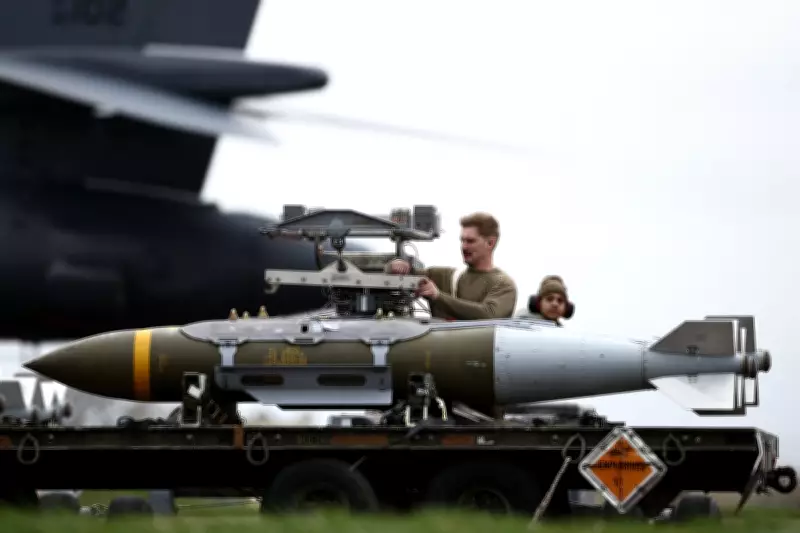
Consequently, Prime Minister Keir Starmer is justified in authorising American forces to access British bases, both domestically and in regions like the Mediterranean and Indian Ocean. This permission serves a purely defensive objective: to neutralise launchers from which Iranian missiles threaten international shipping in the Strait of Hormuz.
This rationale underpinned British participation in strikes against Houthi missile launchers over the preceding two years, aimed at safeguarding international maritime traffic in the Red Sea. Indeed, Sir Keir is correct to extend this commitment by volunteering British forces for a multinational policing effort in the Strait once the current conflict phase concludes.
The Diego Garcia Conundrum
Mr McDonnell may oppose Britain's presence on the Chagos Islands, particularly the Diego Garcia base. Sir Keir appears to concur, having arranged to compensate Mauritius to assume control—a transaction currently in limbo that perplexes many observers. Even if this agreement proceeds, Diego Garcia would be leased back to Britain, which would subsequently permit American forces to retain their base there.
Regardless of these arrangements, Britain retains a vested interest in the base, which has been targeted by Iranian ballistic missiles. If capabilities exist to intercept attacks or preempt their launch, they should be deployed decisively. This mirrors ongoing efforts where British forces intercept drones and missiles directed by Iran at Cyprus and other regional allies.
Assessing Government Policy
The Independent maintains that the Prime Minister has pursued an appropriate strategy throughout this conflict. He was prudent not to endorse America and Israel in initiating the war, as diplomatic and intelligence avenues offered superior means to address Iran's nuclear ambitions. However, once hostilities commenced and Iran attacked neighbours while obstructing one-fifth of global oil supplies, British defensive measures became imperative.
The government's decision to permit American use of British bases for defensive purposes was sound. Mr McDonnell's inherent anti-Americanism and Sir Ed Davey's opportunistic opposition to Donald Trump should not obscure the clear contours of British national interest.
Global Responsibilities and Risks
Britain must defend its citizens abroad and uphold commitments to regional allies. Most critically, the nation should collaborate with the international community to protect free trade flows and avert a global recession. The peril of a worldwide economic crisis underscores the imprudence of Mr Trump's initial war escalation and emphasises the urgency of swiftly concluding the conflict. Yet, as long as hostilities persist, Britain cannot afford to remain on the sidelines.