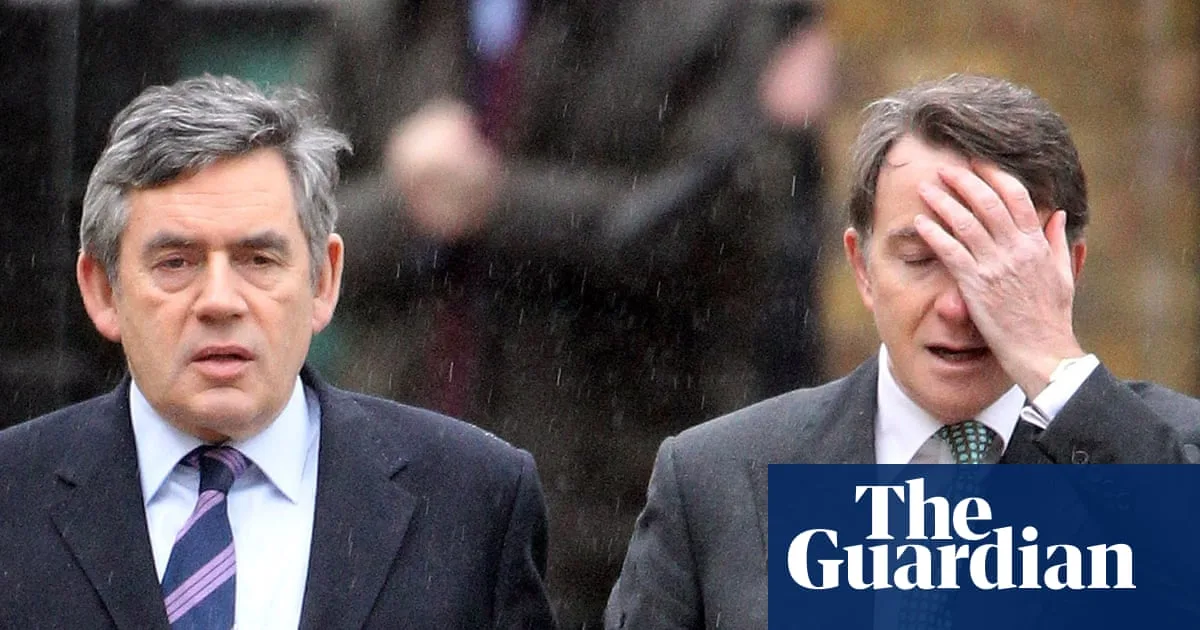
Gordon Brown Calls for Urgent Inquiry into Mandelson's Epstein Communications
Former Prime Minister Gordon Brown has formally requested the Cabinet Secretary to launch a comprehensive investigation into Peter Mandelson's apparent disclosure of highly sensitive government information to the convicted sex offender Jeffrey Epstein. The demand follows the release of millions of documents by the US justice department, which shed new light on the relationship between the disgraced financier and the former Business Secretary.
Leaked Economic Briefing During Financial Crisis
The controversy centres on an email sent on 13 June 2009, during the height of the global financial crisis. The message, with the subject line "Business issues," was authored by Brown's special adviser Nick Butler and detailed potential policy measures while suggesting the government held saleable assets that could alleviate debt burdens. Mandelson, who served as Business Secretary under Brown's premiership, forwarded this confidential briefing to Epstein with the comment: "Interesting note that's gone to the PM."
Epstein, who was serving a jail sentence at the time for soliciting prostitution from a minor, responded by asking "what salable (sic) assets?" A reply from a redacted email address suggested "Land, property I guess." This exchange represents a serious breach of trust during a period of national economic emergency.
Brown's Formal Request for Investigation
In response to these revelations, Gordon Brown stated: "I have today asked the cabinet secretary to investigate the disclosure of confidential and market sensitive information from the then business department during the global financial crisis." Brown revealed he had previously requested an examination of communications between Mandelson and Epstein in September last year following earlier document releases, but was told "no departmental record could be found."
The former Prime Minister has now called for "a wider and more intensive inquiry" into what he described as "the wholly unacceptable disclosure of government papers and information" during the financial crisis. Brown has insisted that the results of any investigation should be published "as soon as possible" given the significant public interest.
Political Fallout and Calls for Accountability
The revelations have triggered significant political repercussions. Labour leader Keir Starmer suggested earlier this week that Mandelson should resign from the House of Lords and called for urgent modernisation of the upper chamber's disciplinary procedures to potentially strip him of his peerage. Mandelson resigned his membership of the Labour party on Sunday, prior to these latest developments becoming public.
Nick Butler, the author of the original memo, expressed his disgust at the breach of trust, telling The Times: "We worked on the basis of trust, which allowed us to float ideas. I am disgusted by the breach of trust, presumably intended to give Epstein the chance to make money." Butler confirmed he was considering reporting the matter to the police.
Further Document Revelations
The latest tranche of documents released by US authorities reveals additional concerning communications. An analysis of business lending prepared by then-business minister Shriti Vadera in August 2009 was also sent to Epstein, though the sender's identity has been redacted. Mandelson appears to have been involved in these discussions.
Further documents show Mandelson apparently telling Epstein he would lobby ministers over a tax on bankers' bonuses in 2009, and confirming an imminent bailout package for the euro the day before its official announcement in 2010. These revelations suggest a pattern of inappropriate information sharing during Mandelson's tenure as a senior government minister.
Government Response and Ongoing Scrutiny
Downing Street has confirmed that Keir Starmer has asked Cabinet Secretary Chris Wormald to conduct "an urgent review" examining "all available information regarding Mandelson's contacts with Epstein during his period as a government minister." This represents an escalation of official scrutiny into matters that have remained largely hidden for over a decade.
The investigation will need to address fundamental questions about ministerial conduct, the protection of market-sensitive information, and the appropriateness of relationships between government officials and individuals with criminal convictions. As the inquiry proceeds, it promises to shed new light on decision-making processes during one of the most challenging economic periods in recent British history.