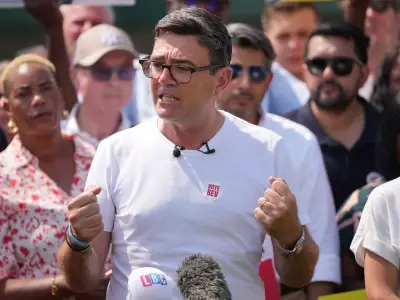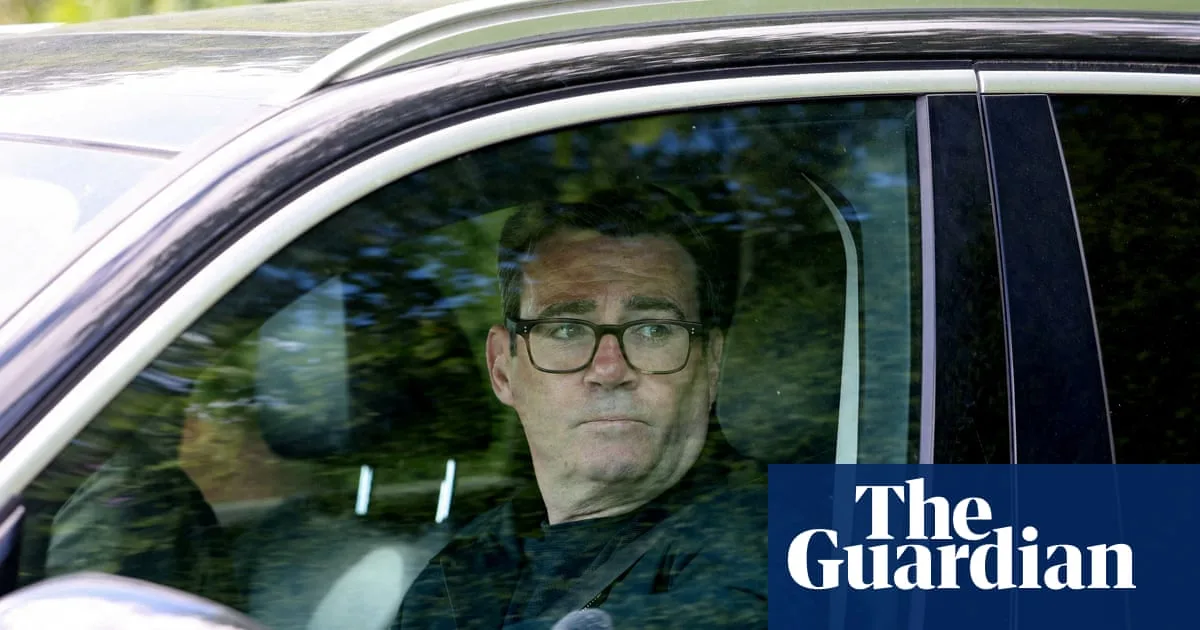
Andy Burnham is aiming to become prime minister in time to address Labour's autumn party conference in Liverpool, according to his supporters. The Greater Manchester mayor cleared the first hurdle to standing in the Makerfield byelection on Friday when Labour's ruling body granted him permission to contest the seat.
If confirmed as Labour's candidate, Burnham must win a difficult contest in mid-to-late June. Support for Reform UK surged in the area during the local elections. Some supporters believe he could become PM before the summer recess, though sources close to his campaign indicate he prefers a longer timeline.
His route back to parliament opened after ally Josh Simons resigned on Thursday, and other potential challengers to Keir Starmer backed away from triggering a leadership contest. Labour deputy leader Lucy Powell described the byelection as a 'straight fight between us and Reform,' adding that Burnham's connection to the area would be central to the campaign.

Starmer may resist being replaced, despite over 80 MPs calling for his resignation. He is expected to approve an £18bn defence spending increase next week. Cabinet ally Steve Reed conceded Starmer is unpopular but warned against repeating the Conservative pattern of changing leaders. Wes Streeting, who resigned as health secretary, backed Burnham, saying 'we need our best players on the pitch.'
Analysis by Survation suggests Burnham as candidate would narrowly beat Reform 45% to 43% in Makerfield, compared to another Labour candidate attracting 27% versus 53% for Reform. The Green party has pledged to stand, a move criticised by former leader Caroline Lucas. Reform UK says it will fight hard for the seat, potentially facing competition from Rupert Lowe's Restore Britain party.