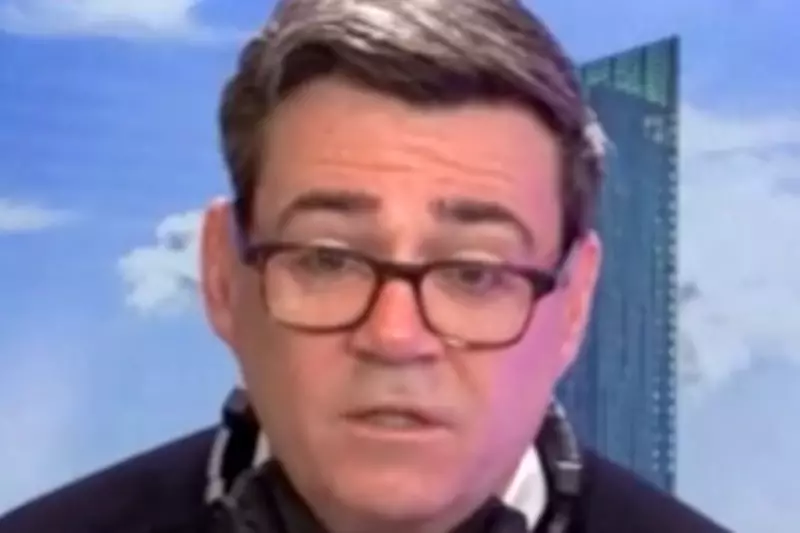
Greater Manchester Mayor Andy Burnham has firmly rejected suggestions that his attempt to stand in the upcoming Gorton and Denton by-election was intended to undermine Prime Minister Sir Keir Starmer's leadership. The Labour Party's National Executive Committee blocked Burnham's candidacy over the weekend, sparking widespread political debate and speculation about internal party tensions.
Burnham's Insistence on Constructive Intentions
During a detailed phone-in session on BBC Radio Manchester, Mr Burnham elaborated on his motivations for seeking the parliamentary seat. He emphasised that his primary concern was addressing issues affecting Greater Manchester at a national level, rather than challenging the current Labour leadership. "I want this to be known as well: I spoke to senior people in the party, including the home secretary. We had a really great conversation," Burnham stated, revealing the behind-the-scenes discussions that preceded the NEC's decision.
The mayor went further to explain that he had specifically requested a conversation with the Prime Minister to provide personal assurances about his intentions. "I did ask to speak to the prime minister, because I wanted to assure him of something I put in the letter that supported my application, and it was that I wasn't coming in to undermine him or the government," Burnham clarified. "I was coming in to see if I could contribute, because some of the things I know are holding Greater Manchester back are problems at that level."
The Blocked Candidacy and Leadership Speculation
The decision to prevent Burnham from standing has ignited significant controversy within Labour ranks, with approximately fifty MPs signing a letter objecting to the NEC's move earlier this week. Critics of the Prime Minister have suggested that the blocking of Burnham's candidacy stems from factional concerns within the party, particularly fears that the popular Manchester mayor could mount a leadership challenge as both Labour's national poll ratings and Starmer's personal approval numbers face difficulties.
Burnham addressed his Monday conversation with the Prime Minister, describing it as "a fair exchange" where both leaders expressed their perspectives openly. "We both said how we felt, and I was glad to have that conversation and a chance to say how I felt," the mayor commented. He did express some regret about the timing of their discussion, noting: "I would have preferred, obviously, to speak in advance to the decision to assure him of what I was trying to do. As I say, I think it could have created a more positive path for everybody, including the prime minister, including the government."
Political Context and Electoral Implications
The Gorton and Denton by-election, scheduled for 26th February, was triggered by former MP Andrew Gwynne's resignation due to health reasons. This contest occurs against a backdrop of growing internal Labour dissent regarding Burnham's exclusion from the candidate list. The Prime Minister has defended the NEC's decision by arguing that holding an additional election for the Manchester mayoral position would "divert our resources" away from crucial local elections that are already expected to present significant challenges for the Labour Party.
This political episode highlights the complex dynamics between national party leadership and influential regional figures within Labour's structure. Burnham's insistence that his motivations were purely regional rather than leadership-focused adds another layer to the ongoing discussion about Labour's direction and internal cohesion as the party prepares for multiple electoral tests in the coming months.