California Scraps Chavez Holiday Following Abuse Revelations
California has taken the unprecedented step of renaming its official César Chavez Day holiday following devastating sexual abuse allegations against the celebrated civil rights leader. Legislative leaders announced Thursday that March 31 will now be designated as Farmworkers Day, marking a dramatic reversal for a state that pioneered honoring Chavez nearly three decades ago.
Community Reckoning With Complicated Legacy
Across the Southwest, communities are grappling with how to reconcile Chavez's monumental achievements in farmworker rights with allegations that he sexually abused young girls and co-founder Dolores Huerta. The revelations have prompted widespread condemnation from Latino leaders while forcing difficult conversations about separating movements from their flawed leaders.
"We love César Chavez. But we cannot honor him and we cannot even love him anymore," said former Phoenix City Council member Mary Rose Wilcox, who removed Chavez photos from her restaurant walls after learning of the allegations. "There's two things: Chavez the man and Chavez the man who we didn't know. And the one we did not know is like a monster."

Institutional Responses and Memorial Removals
The California Museum announced it will remove Chavez from the state's Hall of Fame—an action never before taken in the institution's history. Meanwhile, celebrations planned in Texas and Arizona have been canceled at the request of the Cesar Chavez Foundation itself.
California became the first state to designate Chavez's birthday as an official holiday in 1997, with legislation passed in 2000 making it a paid day off for state employees and mandating education about his legacy. Many private sector workers also receive the day off, making the renaming decision particularly significant.
Huerta's Painful Revelations
Dolores Huerta, the labor rights legend who co-founded the United Farm Workers of America with Chavez in 1962, revealed she stayed silent about abuse for sixty years. In a statement released Wednesday, Huerta described two sexual encounters with Chavez—one where she was "manipulated and pressured" and another where she was "forced against my will."
Both incidents resulted in pregnancies that Huerta kept secret, arranging for the children to be raised by other families. She emphasized she didn't know Chavez had abused other women and feared speaking out would damage the farmworker movement.
National Implications and Historical Context
The allegations, first reported by The New York Times, detail how Chavez groomed and sexually abused young girls working within the movement. This revelation has sent shockwaves through political circles where Chavez has been revered for decades.
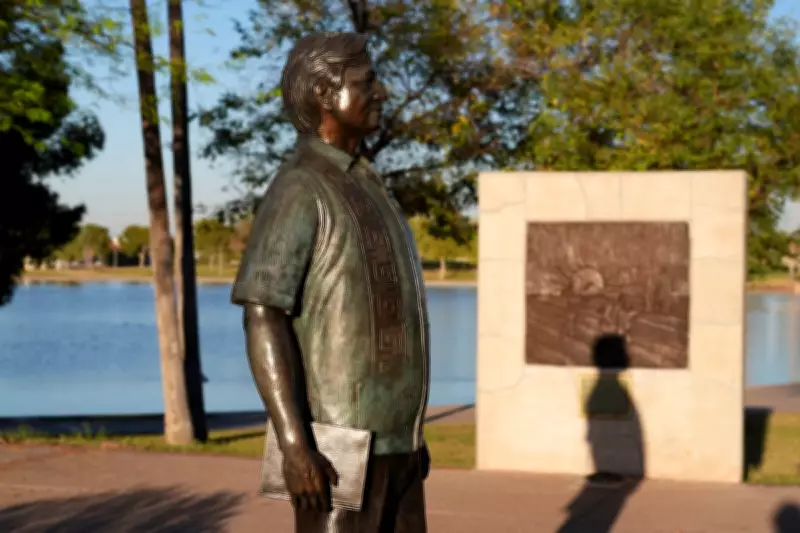
Streets, schools, and parks across the Southwest bear Chavez's name, and his legacy reached the White House under both Presidents Barack Obama and Joe Biden. Obama proclaimed March 31 as César Chavez Day nationally in 2014, while Biden installed a bronze bust of Chavez in the Oval Office upon taking office. Neither former president has yet commented on the allegations.
Family and Foundation Responses
Chavez's family released a statement expressing devastation while supporting survivors. "We wish peace and healing to the survivors and commend their courage to come forward," the family said. "As a family steeped in the values of equity and justice, we honor the voices of those who feel unheard and who report sexual abuse."
The Cesar Chavez Foundation pledged support for victims and acknowledged it must reconsider its identity moving forward. The United Farm Workers union distanced itself from annual celebrations of its founder, calling the allegations deeply troubling.
Historical Patterns of Silence
Miriam Pawel, a California journalist who wrote a biography of Chavez, noted that abusive behaviors within the union were known but rarely discussed. "For many, many years, for most of those people, even when they saw things that they found disturbing, they did not wanna talk about it," Pawel explained, citing members' belief that the union represented farmworkers' best protection.

Born in Yuma, Arizona to a Mexican American family that worked as migrant farmworkers, Chavez rose from picking lettuce, grapes, and cotton to become a national symbol of labor rights. His early organizing, hunger strikes, and successful grape boycott eventually forced growers to negotiate for better wages and working conditions.
Looking Forward
As California prepares to celebrate its first Farmworkers Day on March 31, 2026, the focus shifts from individual hero worship to collective recognition of agricultural laborers' contributions. Some Texas Democrats have suggested replacing Chavez's name on memorials with Huerta's, honoring her enduring legacy while acknowledging her victimization.
The painful reckoning continues across communities that once unquestioningly celebrated Chavez, with many now questioning how to honor the farmworker movement while condemning its leader's alleged abuses.