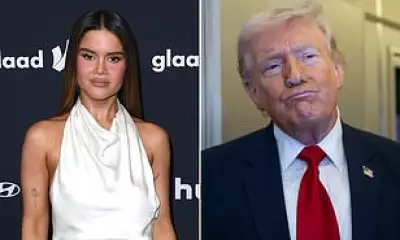
In a sharp and incisive piece of political commentary, cartoonist Ben Jennings has released a new work that takes aim at former US President Donald Trump and conservative commentator Pete Hegseth. The cartoon, published recently, uses visual satire to critique their controversial remarks and actions, which have sparked widespread debate and criticism.
Context of the Cartoon
The artwork emerges against a backdrop of heightened political tensions, particularly in the United States, where figures like Trump and Hegseth frequently dominate headlines with polarising statements. Jennings, known for his biting wit and keen observational skills, employs his signature style to lampoon their rhetoric, drawing attention to issues such as misinformation, divisiveness, and the erosion of democratic norms.
Key Elements of the Satire
Jennings' cartoon cleverly juxtaposes imagery and text to underscore the absurdity or danger in the subjects' comments. For instance, it might depict Trump and Hegseth in exaggerated scenarios that mirror real-world controversies, such as election denial or inflammatory media appearances. The use of symbolism, like broken chains or distorted faces, amplifies the critique, making it accessible yet profound for viewers.
This piece is part of a broader tradition of political cartooning, which serves as a vital tool for holding power to account and fostering public discourse. By targeting high-profile individuals, Jennings encourages reflection on the impact of their words and the role of media in shaping political narratives.
Reactions and Implications
While the cartoon has garnered praise from critics and audiences who appreciate its boldness, it has also faced backlash from supporters of Trump and Hegseth, highlighting the deep partisan divides in contemporary politics. Such reactions underscore the cartoon's effectiveness in provoking thought and debate, a hallmark of Jennings' work.
In an era where visual media plays a crucial role in information dissemination, cartoons like this one contribute to a richer, more nuanced understanding of complex issues. They remind us of the power of art to challenge authority and inspire civic engagement.