Historic Churches Face Closure Threat as VAT Grant Scheme Scrapped
Some of Britain's most cherished and historically significant churches may be forced to close their doors permanently following the government's decision to terminate a vital VAT relief scheme, according to campaigners and critics. Chancellor Rachel Reeves has moved to end the Listed Places of Worship grant, which has covered VAT bills on major ecclesiastical repairs for the past two decades.
Funding Shortfall and Growing Concerns
The government has confirmed it will replace the scheme with a new £92 million fund spread over four years. However, campaigners express serious concerns that this replacement funding falls significantly short of requirements. The National Churches Trust has highlighted that the new pot equals just £23 million annually for 2025/6, representing a substantial reduction from the £42 million available in 2024/5.
Even more troubling for preservationists is the fact that this funding does not increase with inflation and may not explicitly cover VAT costs. The Church of England estimates its maintenance tax bill will reach approximately £120 million over the same four-year period, creating a potentially devastating shortfall.

The Preservation Paradox
Campaigners have pointed out a troubling paradox in the government's approach. Demolishing a church would be completely tax-free, while congregations attempting to preserve these historic buildings now face substantial tax burdens for essential upkeep. This creates the perverse situation where tearing down centuries-old structures could become financially preferable to maintaining them.
The Church of England owns approximately half of all Grade I listed buildings in England, yet despite sitting on an investment fund valued at around £11 billion, local church maintenance typically falls to individual congregations. These congregations are often shrinking and struggling financially, making the additional VAT burden particularly challenging.
Voices of Protest and Warning
British historian Robert Lyman has emerged as a vocal critic of the changes, highlighting how his local 1,000-year-old church relies on a "small number of parishioners" who need to raise £70,000 for refurbishment this year. He now fears they'll need to find an additional £14,000 for the taxman while receiving "zero subsidy" from the broader Church of England.
"This is, frankly, an outrage," Lyman declared. "This shocking government should be ashamed of itself. I'm certainly ashamed of it."
Sir Philip Rutnam, chairman of the National Churches Trust, expressed being "very concerned" about the grant scheme's termination. He highlighted the unfairness of the situation, noting that "museums and galleries offering free admission don't have to pay VAT on repairs, but in future churches will."
Real-World Consequences Already Emerging
The practical consequences of these changes are already becoming apparent. St Mary Magdalene Church in Newark-on-Trent saw £600,000 added to its repair bill for the 900-year-old building's leaky roof due to the VAT changes. According to the National Churches Trust, approximately 3,500 churches have closed in the last decade, with predictions suggesting a further 2,000 could shut within the next five years.
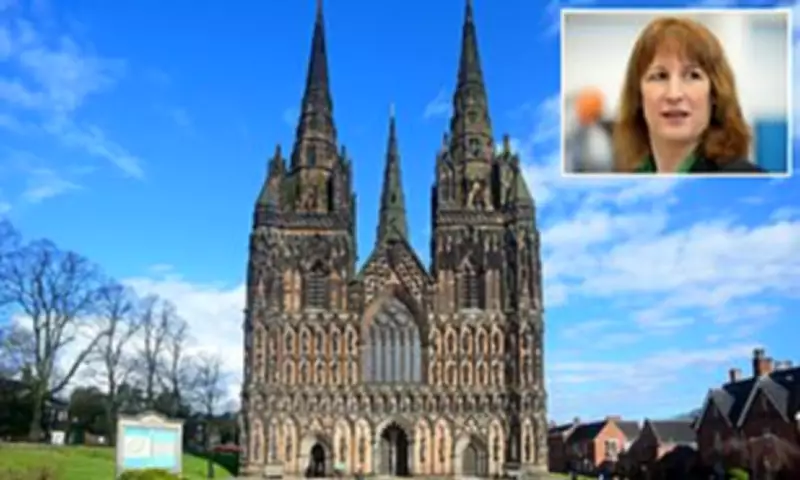
Former Conservative MP Sir Michael Fabricant voiced concerns specifically about Lichfield Cathedral, warning that the changes would create "a real burden on our ancient monuments where stonework is constantly having to be repaired."
Government Response and Political Positioning
The Department for Culture, Media and Sport has defended the changes, stating that £13,602,521 of the funding pot had been utilized as of December 23, 2025. A spokesman explained: "We have listened to historic places of worship. We heard loud and clear that many small churches struggled to afford the upfront costs of repair work under the previous VAT-rebate scheme."
"Our new capital scheme better supports these churches by offering upfront funding for the vital repairs they need to keep serving their communities," the spokesman added.

Meanwhile, the Conservative Party has vowed to restore the scheme and its funding to £43 million annually if returned to power. The Archbishop of York, Stephen Cottrell, had previously urged the government to retain the Listed Places of Worship grant, describing it as having "been a lifeline" to churches across the country.
As the debate continues, Britain's historic churches face an uncertain future, with preservationists warning that the loss of VAT relief could accelerate closures and potentially lead to the irreversible loss of architectural and cultural heritage.