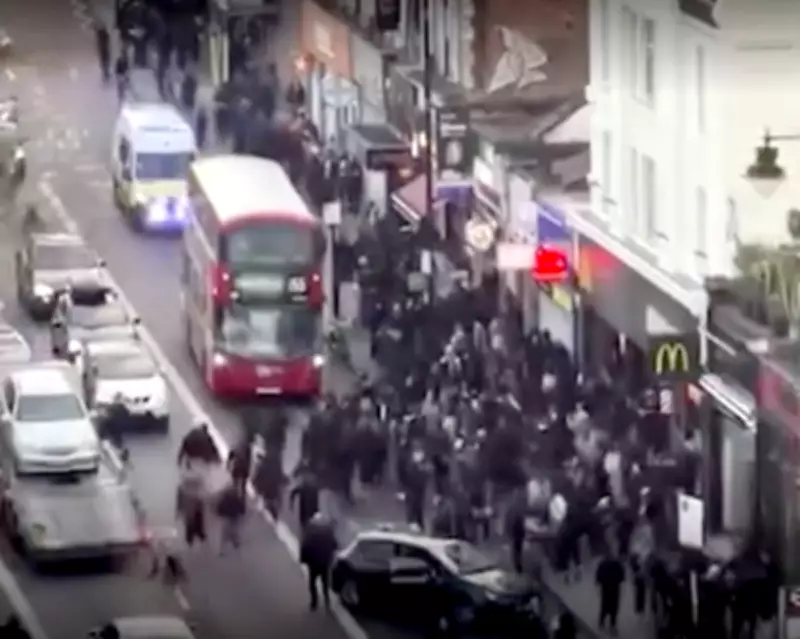
Experts Respond to Mass Teen Meet-Ups in Clapham: Cuts and Space Shortages Blamed
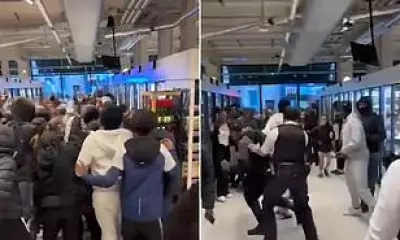
Hundreds of young people gathered on Clapham High Street in London last Saturday and again three days later, leading to chaotic scenes that sparked widespread outrage. The events, organised via a Snapchat flyer inviting teenagers to celebrate the Easter holidays, resulted in shops being overwhelmed, including a Marks & Spencer where videos appeared to show fighting in the aisles. Some shopkeepers locked their doors, and fireworks were set off on Clapham Common.
Political Backlash and Police Response
The Metropolitan police imposed a 48-hour dispersal order, with six teenage girls arrested so far. Political figures quickly condemned the disorder. Conservative leader Kemi Badenoch described it as evidence of a culture where young people believe they can act without consequences, while London mayor Sadiq Khan called the scenes utterly appalling. Nigel Farage, leader of Reform UK, claimed it signalled societal breakdown.
On Friday, the boss of Marks & Spencer called for a crackdown on what he termed brazen, organised, aggressive retail crime. The Met police noted that such events are fuelled by online trends and viral content on social media platforms.

Historical Context and Digital Evolution
Young people organising events online is not new; since the rise of smartphones, terms like link-ups and motives have spread through messaging apps. In the early 2010s, Blackberry Messenger and Facebook were primary tools for mass invitations. However, Lee Elliot Major, a professor of social mobility at the University of Exeter, highlighted that the speed and scale of dissemination have increased dramatically with platforms like Snapchat and TikTok, where posts are public.
In 2023, for example, hundreds headed to Essex for the Southend Motive, prompting similar police dispersal orders. Elliot Major argued that the lack of physical spaces for teenagers to gather safely is a critical factor, with digital platforms now organising real-life encounters at unprecedented rates.
Underlying Issues: Service Cuts and Social Isolation
Elliot Major explained, We often frame these moments as problems of behaviour. But they are also symptoms of a deeper shift: a generation with fewer structured opportunities, fewer shared spaces, and more uncertainty about where they fit. This analysis aligns with a recent report by the youth charity YMCA, which found that local authority funding for youth services in England has fallen by 76% in real terms over the last 14 years, representing a loss of £1.3 billion since 2010–11. In 2024-25, spending dropped by 10% from the previous year.
Dr Tania de St Croix, a senior lecturer in the sociology of youth and childhood at King's College London, criticised the exaggerated reaction to the Clapham link-up as moral panic. She stated, Young people want to come together. Social media enables that, but it shows their wish for the opposite of social media. They want to meet up in real life.
Youth Perspectives and Mental Health Challenges
A teenager who attended the Clapham event told Metro that word of mouth helped spread knowledge, with the original flyer not indicating any intent to cause disorder. They said, I think some people just wanted to chill somewhere because there's not really many places to go. But link-ups like this are 100% unacceptable – especially when they are setting things on fire. A few people came for trouble and it spiralled out of control.
De St Croix, with 30 years of youth work experience, noted a huge increase in mental health challenges among young people and a rise in teenagers who feel disconnected from schools, often due to restrictive rules like limits on group sizes. She added, These are the teenagers who saw their play areas closed during lockdown and spent some of their formative years locked inside. I'm not saying it excuses any kind of violence, but it's hardly surprising that young people are going to seek chances to come together.

Conclusion: A Call for Understanding and Investment
The unrest in Clapham underscores broader societal issues, including severe cuts to youth services, a lack of accessible public spaces, and the role of social media in amplifying gatherings. While political figures demand crackdowns, experts urge a focus on providing structured opportunities and safe environments for young people to connect, highlighting that digital platforms merely facilitate a deep-seated need for real-life interaction.