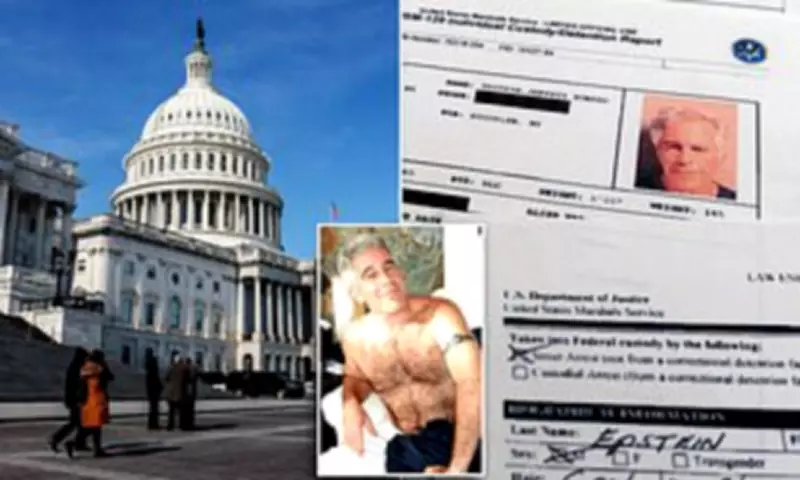
Congressional Access to Unredacted Epstein Files Begins This Week
Members of Congress will obtain access within days to the Justice Department's closely guarded, unredacted Jeffrey Epstein files, a long-awaited development that could illuminate one of the most explosive sex trafficking scandals in modern American history. According to a letter obtained by NBC News and confirmed by multiple sources familiar with the arrangements, lawmakers will be permitted to start reviewing these sensitive materials on Monday morning inside secure Justice Department offices.
This access will enable elected officials—though not their staff members—to examine millions of previously released documents in their original, unredacted form. It represents a substantial escalation in Congress's determined push to uncover the complete truth behind Epstein's extensive network, his communications, and potential accomplices who may have been involved.
Strict Security Protocols Govern Document Review
Under stringent conditions outlined by the Justice Department, lawmakers must provide 24 hours' notice before reviewing the files and will be required to examine them in person on government computers. They will be allowed to take handwritten notes but are strictly prohibited from bringing electronic devices or making digital copies of any materials.

This tightly controlled process underscores the extraordinary sensitivity of the material, which has remained at the center of intense political pressure and public scrutiny for years. Jeffrey Epstein, a wealthy financier with powerful connections across politics, business, and entertainment, was charged in 2019 with sex trafficking minors and accused of operating a long-term abuse scheme involving underage girls.
Background: The Epstein Files Transparency Act
The files lawmakers will review constitute part of more than 3 million documents the Justice Department has released to comply with the Epstein Files Transparency Act. This legislation was passed by Congress and signed into law by President Donald Trump last year. The law mandated that the attorney general release "all unclassified records, documents, communications, and investigative materials" related to Epstein, including internal Justice Department communications and investigative decisions.
However, lawmakers have consistently argued that the Justice Department has not fully complied with this requirement. Deputy Attorney General Todd Blanche acknowledged last week that the department had "withheld or redacted files covered by various privileges, including deliberative process privilege, the work-product doctrine, and attorney-client privilege." He revealed that approximately 200,000 pages had been withheld or redacted for these specific reasons.
Congressional Backlash and Legislative Victory
This revelation sparked immediate backlash from lawmakers who had fought vigorously to force full disclosure. Representatives Thomas Massie, a Republican from Kentucky, and Ro Khanna, a Democrat from California, wrote in a joint letter to the Justice Department: "We have seen a blanket approach to redactions in some areas, while in other cases, victim names were not redacted at all."
Khanna, one of the chief architects of the transparency law, declared the move to allow congressional access a hard-won victory. In a statement posted online, he asserted, "When Congress pushes back, Congress can prevail." Congressional leaders have pressed for rapid access to the files ahead of Attorney General Pam Bondi's scheduled testimony before the House Judiciary Committee next week. Lawmakers want sufficient time to examine the documents themselves before questioning Bondi about the government's handling of Epstein and the broader investigation.
Priority Access and Ongoing Scrutiny
Leadership and members of the House and Senate Judiciary Committees will receive priority access, though all members of Congress will eventually be permitted to review the material. The decision to restrict access to lawmakers only—excluding even congressional staff—reflects the extraordinary sensitivity of the information, which could include internal investigative decisions, communications, and potentially explosive evidence.

Epstein died in a federal jail cell while awaiting trial, in a death ruled a suicide, but his death did not quell public outrage or suspicions about who else may have been involved. The Justice Department has stated that the case involves more than 1,000 victims, many of whom have waited years for answers and accountability. Lawmakers believe that reviewing the unredacted files could finally provide crucial insight into key decisions, including why some individuals were investigated while others were not.
Millions of Documents Remain Unreleased
Despite the release of millions of pages, the Justice Department has acknowledged it possesses more than 6 million Epstein-related records in total, meaning millions of documents have yet to be made public. Lawmakers and victims have criticized delays in releasing information and inconsistencies in how the documents were handled, including cases where sensitive victim information was not properly protected.
The Justice Department has defended its actions, citing legal privileges and the need to protect victims and maintain the integrity of ongoing investigations. Nevertheless, pressure continues to mount from both parties in Congress, where lawmakers have made unequivocally clear their intention to scrutinize every detail of this deeply troubling case.