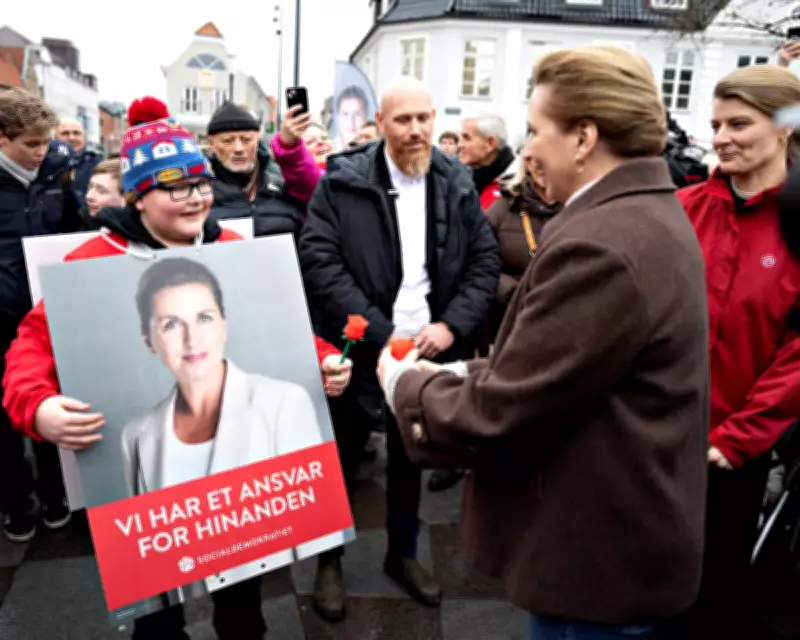
Denmark's intelligence services have issued a stark warning that foreign powers, primarily Russia, could attempt to interfere in the country's upcoming general election on 24 March. The PET police intelligence service and FE military intelligence highlighted in a joint statement that the election campaign may be targeted by disinformation and cyberattacks aimed at sowing division, influencing public debate, or targeting specific candidates and political programmes.
Exploiting International Fault Lines
The agencies pointed to the chaos caused by the United States' expressed desire to take possession of Greenland as a key vulnerability. They stated that this has led to the spread of disinformation concerning the kingdom of Denmark, potentially creating uncertainty ahead of the election. The attention from the United States has created new international fault lines that state actors like Russia and China could exploit for influence purposes.
Prime Minister's Campaign Amid Threats
Prime Minister Mette Frederiksen, who called the election on Thursday, has emphasised that the shadow cast by Russia represents one of Denmark's most significant threats. She also highlighted US President Donald Trump's demands to control the Arctic territory of Greenland as a critical issue. Frederiksen was required to call an election before 31 October, and experts suggest she deliberately chose the 24 March date, as her popularity has risen in recent opinion polls due to her firm rejection of Trump's Greenland demands.

Political Landscape and Polling Data
According to a recent poll released by TV2 television, 21% of voters would support the prime minister's Social Democrat party, positioning it in first place despite being 6.5 percentage points lower than its score in the previous election in 2022. The Social Democrats faced significant setbacks in municipal elections last year, losing nearly half of the municipalities they controlled, including Copenhagen.
Broader Implications for Danish Democracy
The intelligence warning underscores the growing challenges to democratic processes in Europe, with foreign interference becoming an increasingly common tactic. The agencies stressed that while the main threat originates from Russia due to Denmark's support for Ukraine, other state actors could also be involved. This situation highlights the need for robust cybersecurity measures and public awareness to protect the integrity of the electoral process.
As Denmark prepares for the March election, the focus remains on safeguarding against external manipulation while addressing domestic political dynamics. The interplay between international tensions and domestic politics is set to shape the campaign, with voters weighing issues of national security, sovereignty, and leadership in a volatile global context.