Democrat Justin Jones Launches Scathing Attack on Sean Hannity in Tumultuous Fox News Interview
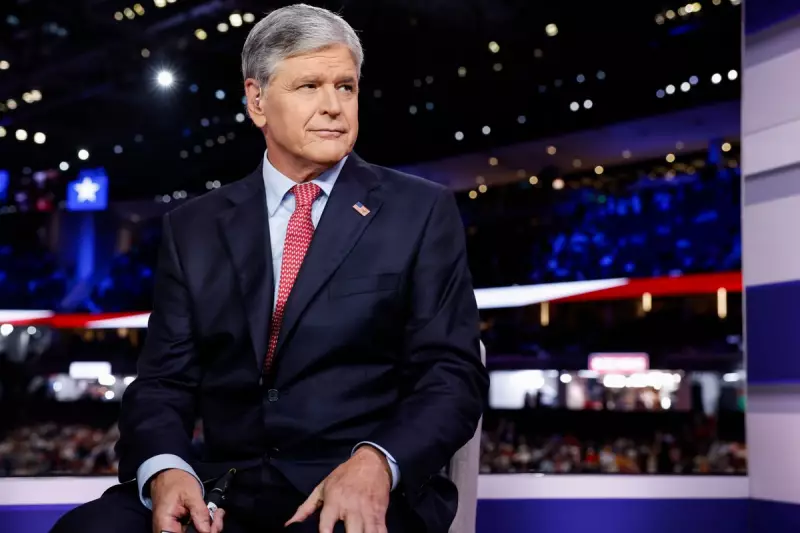
Tennessee Democrat Justin Jones has become embroiled in a fiery on-air confrontation with Fox News host Sean Hannity, launching a series of explosive accusations that have sent shockwaves through political media circles. The tumultuous exchange saw Jones directly accuse Hannity of associating with "pedophiles and perverts" during a segment that quickly descended into personal insults and dramatic political theatre.
Explosive Allegations and Historical Comparisons
During the heated interview, Jones made specific references to Donald Trump's Mar-a-Lago estate and the controversial Epstein files while levelling his accusations against the veteran conservative broadcaster. In a particularly dramatic moment, Jones brandished a photograph of the Ku Klux Klan, drawing a direct comparison between the white supremacist organisation and Immigration and Customs Enforcement (ICE) agents, suggesting both represented oppressive forces in American society.
Financial Motives and Fear-Mongering Tactics Exposed
The Tennessee Democrat further intensified his criticism by alleging that Hannity profits substantially from his broadcasting platform, claiming the Fox News host earns approximately $45 million annually by employing fear-mongering tactics about immigration. Jones argued that this strategy deliberately diverts public attention away from pressing corporate issues and systemic problems affecting ordinary Americans, suggesting Hannity's commentary serves financial interests rather than public discourse.

Personal Insults and Service Records Questioned
The exchange rapidly deteriorated into personal territory, with Hannity labelling Jones a "disgrace" to his position, while Jones retaliated by questioning Hannity's service to the country and his commitment to genuine public debate. This mutual character assassination highlighted the deepening polarisation within American political media, where substantive policy discussions frequently give way to sensational personal attacks and theatrical confrontations designed for maximum audience impact.
Broader Implications for Political Discourse
This remarkable confrontation underscores the increasingly combative nature of political broadcasting in the United States, where accusations once considered beyond the pale now feature regularly in prime-time programming. The incident raises significant questions about the boundaries of acceptable political discourse, the role of media personalities in shaping public opinion, and the growing tendency for political debates to centre on personal allegations rather than policy substance.