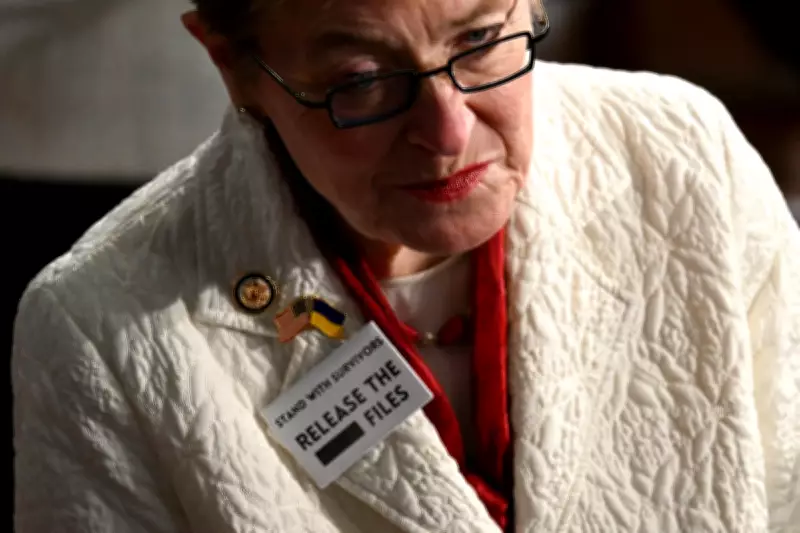
In a striking display of political dissent, numerous Democratic lawmakers have chosen to wear white during President Donald Trump's 2026 State of the Union address, reviving a tradition that dates back to his first term. This silent protest serves as a powerful symbol of women's suffrage, echoing historical movements for voting rights.
The Significance of White Attire
For many female Democrats in attendance, the white clothing is not merely a fashion statement but a deliberate act of defiance. It harks back to the early 20th century when suffragettes adopted white as their signature color in the fight for women's right to vote. This year, the gesture takes on added urgency, with Democrats linking it to their outrage over the recently passed SAVE America Act.
Outrage Over the SAVE America Act
The SAVE America Act, which cleared the House, mandates that voters provide in-person proof of U.S. citizenship—such as a passport or birth certificate—to register for federal elections. Democrats argue this legislation could disenfranchise vulnerable groups and undermine democratic principles. By wearing white, they signal their opposition to what they perceive as restrictive voting measures.

Other Forms of Protest
Beyond the white attire, some attendees sported anti-Trump pins to voice their discontent. One notable pin featured the phrase "Liar liar," depicting President Trump with an elongated, Pinocchio-style nose, a clear reference to accusations of dishonesty. Another pin read, "Stand with survivors. Release the files," highlighting calls for transparency and support for victims.
A Suit Covered in Messages
Adding to the visual protest, one woman wore a white suit adorned with pro-democracy messages, turning her outfit into a mobile billboard for political advocacy. This creative approach underscores the depth of frustration among Democrats, who have also seen many colleagues boycott the address entirely in protest.
Historical Context and Tradition
The tradition of wearing white at Trump's State of the Union addresses began during his first term and has persisted as a recurring form of silent resistance. It reflects ongoing tensions between the administration and opposition lawmakers, particularly over issues of voting rights and democratic integrity.
As President Trump and First Lady Melania departed the White House for the Capitol to deliver the crucial address, the sea of white among Democratic attendees served as a poignant reminder of the deep political divisions shaping the current landscape. This protest not only honors the legacy of suffrage but also amplifies contemporary concerns about electoral access and truth in governance.