Earl of Shrewsbury Faces Two-Week Lords Suspension Over Expense Claims
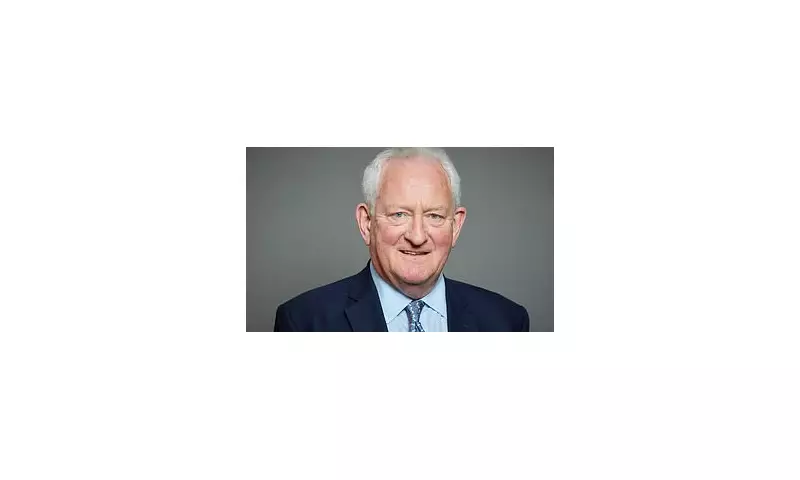
A senior hereditary peer is confronting a two-week suspension from the House of Lords after an inquiry uncovered irregularities in his travel expense submissions. The Earl of Shrewsbury, 73, whose full name is Charles Henry John Benedict Crofton Chetwynd Chetwynd-Talbot, has been found to have claimed car mileage for journeys he did not undertake and improperly utilised a taxpayer-funded railcard for attendance at a private business meeting.
Details of the Investigation and Findings
The investigation, prompted by a newspaper probe, revealed that Lord Shrewsbury submitted a claim for a first-class rail ticket to attend a board meeting of a commercial firm. This incident occurred merely three months after his return to the Lords following a previous nine-month suspension for paid lobbying, one of the lengthiest bans ever imposed on a peer.
In response to the findings, Lord Shrewsbury has admitted to breaching the rules and has reimbursed £199.52. However, the Lords Conduct Committee issued a stern reprimand, criticising him for "intentionally" using his railcard for personal travel and demonstrating an "unacceptably casual" approach to mileage claims for four non-existent journeys.

Context and Committee Concerns
The committee highlighted that these infractions took place shortly after his return from the prior suspension, noting a troubling pattern. Although the earlier breach was unrelated to allowances, both cases shared a common element: a failure to maintain a clear distinction between parliamentary duties and business activities.
As the senior earl in the peerage of England and one of the few remaining hereditary peers in the Lords, this episode raises questions about accountability and conduct within the upper chamber. The two-week suspension serves as a disciplinary measure, underscoring the importance of adherence to expense regulations and ethical standards in public office.