UK Police Action on Epstein Files Arrest of Former Prince Andrew Highlights US Justice Department Inaction
The arrest of former Prince Andrew in London on Thursday over serious allegations linked to the Jeffrey Epstein files has created a stark transatlantic contrast in justice responses. While British authorities moved decisively to detain the ex-royal on suspicion of misconduct in public office, the United States Justice Department under Attorney General Pam Bondi appears paralyzed by comparison.
A Transatlantic Divide in Accountability
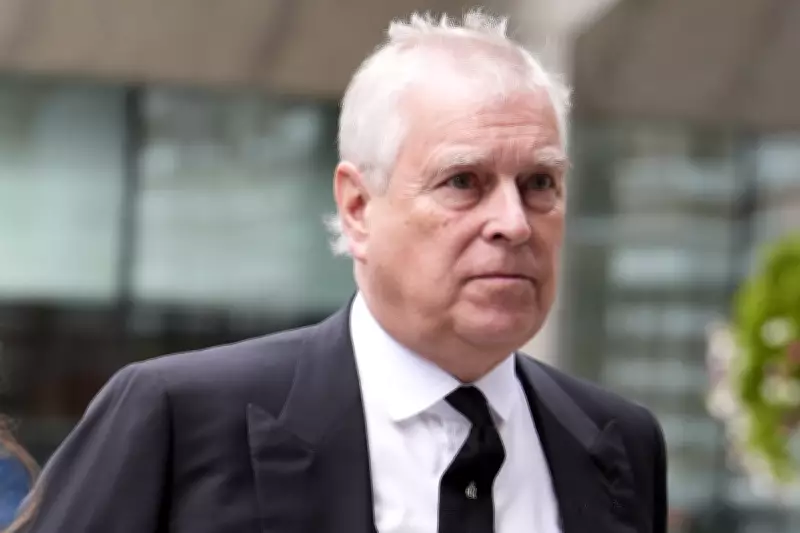
Andrew Mountbatten-Windsor, formerly known as Prince Andrew, was taken into custody by London police following new revelations about his connections to convicted sex trafficker Jeffrey Epstein. The arrest represents a significant development in a case that has spanned continents and implicated numerous powerful figures.
King Charles responded to his brother's detention with the statement that "the law must take its course," signaling at least nominal support for the judicial process. This stands in sharp contrast to the American response, where despite extensive documentation and multiple allegations in the Epstein files, no new arrests have been made.

The American Response: Deflection and Delay
Across the Atlantic, the situation presents a markedly different picture. Attorney General Pam Bondi has repeatedly downplayed the significance of the Epstein files, erroneously claiming all documents had been released and dismissing victim testimony as "theatrics" during congressional hearings.
The Justice Department's approach has followed a familiar pattern: allegations of political motivation, refusal to engage substantively with victims, and deflection through whataboutism. Despite shocking revelations in the files—including allegations of children as young as nine being trafficked, torture videos circulating among Epstein's associates, and systematic recruitment of victims—concrete action remains elusive.
Political Calculations Versus Justice
The Epstein files became a central element of election strategy for some American politicians, making subsequent inaction particularly conspicuous. Former President Donald Trump, who appears multiple times in the documents and was photographed socializing with Epstein and Ghislaine Maxwell, has suggested it's "really time" to move on from the scandal.
This stands in stark contrast to the United Nations' assessment that some allegations in the files may constitute crimes against humanity. The discrepancy between the gravity of the accusations and the limited American response has drawn criticism from across the political spectrum.
The Limited Scope of American Accountability
To date, Jeffrey Epstein (deceased) and Ghislaine Maxwell (currently seeking a presidential pardon while serving her sentence) remain the only individuals facing consequences in the United States. Maxwell's transfer to a more comfortable "Club Fed"-style facility after meeting with Trump's former personal lawyer has raised additional questions about preferential treatment.
The absence of a comprehensive investigation team meticulously examining every detail of the files, coupled with limited engagement with victims, suggests a justice system struggling to confront powerful interests. Resignations from prestigious positions represent the extent of accountability for many implicated individuals.
Broader Implications for Justice Systems
The British action, while imperfect—Andrew had previously enjoyed a taxpayer-funded retirement before his arrest—demonstrates a willingness to pursue justice regardless of status. His removal from royal duties and subsequent arrest, though delayed, represents tangible consequences.
In contrast, the American response risks normalizing impunity for wealthy, connected individuals accused of grave crimes. As society absorbs these contrasting approaches, the behavior left unchallenged becomes tacitly accepted. The Epstein case thus serves as a litmus test for justice systems' capacity to confront power and privilege.

While questions remain about whether Andrew's arrest will lead to formal charges or trial, the transatlantic comparison is unmistakable. Britain's willingness to pursue its former prince exposes America's Justice Department as hesitant and ineffective by comparison, raising fundamental questions about equality before the law in both nations.