France's Minority Government Secures Budget Passage Amid Political Turmoil
France has finally enacted its budget for the current year after a protracted period of political instability, with Prime Minister Sébastien Lecornu's minority government surviving a series of no-confidence votes. The budget's approval marks a significant, albeit contentious, milestone following months of parliamentary deadlock that has unsettled financial markets and raised concerns among European partners.
Constitutional Powers Bypass Parliamentary Vote
The budget was passed using special constitutional powers that allowed the government to avoid submitting it to parliament for a direct vote. However, this procedural manoeuvre triggered a series of no-confidence motions, which the government narrowly survived. The final two votes of no confidence were defeated on Monday evening, securing the budget's passage.
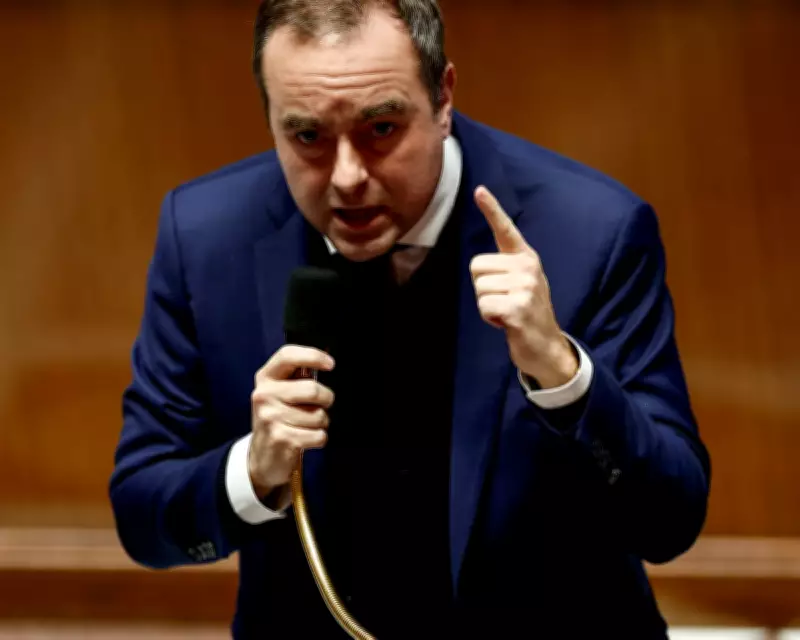
Prime Minister Sébastien Lecornu addressed parliament on Monday, emphasising that the French public "refuse this disorder and want our institutions to function". He described the budget as a "breakthrough", highlighting its provision for a €6.5 billion increase in defence spending.

Political Concessions and Fragile Alliances
The government's survival hinged on a critical agreement with the Socialist party, which agreed not to vote against the budget in exchange for key concessions. These included the suspension of President Emmanuel Macron's flagship pension reforms, which had aimed to gradually raise the retirement age from 62 to 64.
Socialist MP Hervé Saulignac defended his party's decision, stating they had "done its duty" and "avoided the worst". He argued that leaving France without a budget would have added "more anguish to the anguish" of citizens already facing economic pressures.
Budgetary Targets and Economic Implications
The budget aims to reduce France's deficit to 5% of gross domestic product by 2026, down from an anticipated 5.4% in 2025. However, this target represents a revision from the initial goal of 4.6%, attributed to the scrapping of pension changes. Rightwing rapporteur Philippe Juvin noted that without these reforms, achieving the original deficit reduction was unfeasible.
The prolonged budget negotiations have consumed French politics for nearly two years, stemming from President Macron's snap election call in June 2024, which resulted in a hung parliament. The election saw a left alliance win the most seats but fall short of a majority, while the far-right National Rally gained significant influence without securing control. Macron's centrist bloc lost seats but remained a presence, leading to ongoing legislative gridlock.
Broader Political Context and Future Challenges
Since the 2024 election, domestic politics has been largely deadlocked, contributing to governmental instability in Europe's second-largest economy. Macron initially appointed rightwing Michel Barnier as prime minister, who was ousted after three months amid budget disputes. His centrist successor, François Bayrou, lasted only nine months before also falling over budget proposals.
Lecornu, a key Macron ally appointed last autumn, aims to remain in office until 2027 despite the government's fragility. His administration now seeks to advance other legislative priorities, including a law to protect farmers and bills on assisted dying and improved palliative care. However, parliamentary deadlock continues to constrain domestic policymaking.
With municipal elections scheduled next month and the 2027 presidential election looming, national politics remains intensely focused. Macron, ineligible for re-election after two terms, is increasingly concentrating on foreign policy, advocating for European strategic autonomy and a firmer stance against US policies under President Donald Trump.
Meanwhile, far-right leader Marine Le Pen, a potential 2027 contender, is currently appealing a conviction for embezzling European parliament funds through an alleged fake jobs scheme. Last year's guilty verdict included a five-year ban from office, which she is seeking to overturn.