When a Breakup Fractures Your Friendship Circle
A reader has reached out with a deeply personal dilemma that many might find all too familiar. She shares a lifelong bond with her best friend, Ellie, and has been in a committed relationship with her partner, Will, for three years. For two of those years, the foursome—including Ellie's former partner, Tim—formed a tight-knit friendship group. However, six months ago, Ellie and Tim ended their five-year relationship, sending shockwaves through their social dynamic.
The Ripple Effect of a Relationship's End
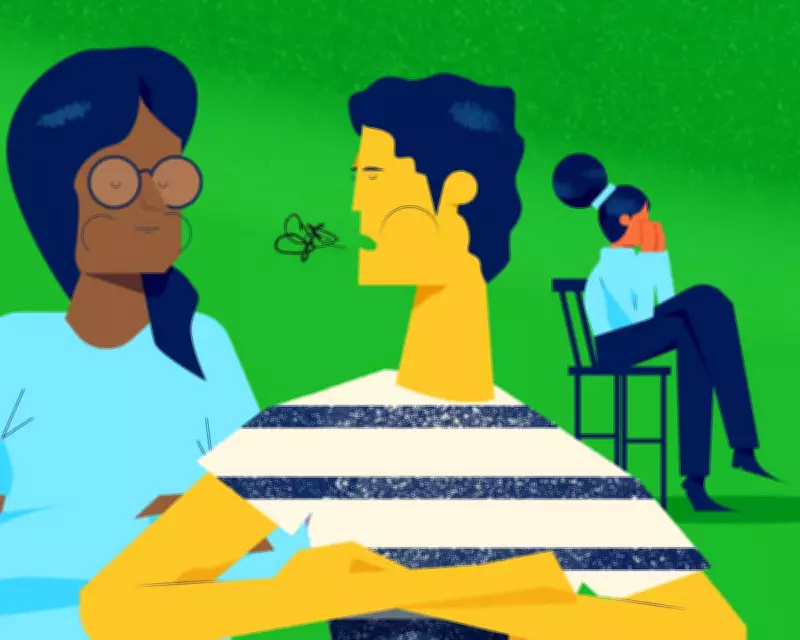
The breakup has led to an unfortunate division within their larger, mixed-gender circle, often pitting "boys versus girls." While the reader maintains contact with Tim due to his close friendship with Will, the interactions have grown increasingly awkward. The core issue stems from Tim confiding in Will about the split, expressing significant anger towards Ellie. This has influenced Will to develop a dislike for Ellie, despite her being the reader's dearest friend.
Ellie and Tim's relationship was fraught with incompatibility, though it lacked incidents of cheating or abuse. They were simply mismatched, and perhaps should have parted ways sooner. Now, Will refuses to socialise with Ellie and protests whenever she is invited to gatherings. The reader feels torn, loving both her partner and best friend deeply but despising the animosity between them.

Expert Insights on Navigating Change and Loss
Hazel Hyslop, a UKCP-registered psychotherapist, identifies this scenario as exceedingly common. She explains that such shifts in dynamics don't just affect individuals but create a seismic impact on the entire group's relationships. Hyslop emphasises that it is not the reader's responsibility to mediate the friendship group. Instead, she offers a crucial perspective: Will might be more shaken than realised, possibly fearing that Ellie could influence the reader to leave him. This irrational thinking, known as catastrophising, often arises when people feel let down.
Hyslop warns that by defending their respective friends, the reader and Will risk losing their own connection. Rather than focusing outward on others' behaviour, they should face inward, accepting that different perspectives can coexist within a relationship. Being allies, she notes, is far more beneficial for their long-term bond.
Practical Steps Towards Healing
To navigate this turbulent period, Hyslop suggests implementing an embargo on discussing friends while together until emotions settle. Prioritising the reader's relationship with Will is key, and for now, seeing Ellie independently might be wise. It's not the reader's job to advocate for anyone's case, nor can she force Will to back down any more than he can persuade her to do so.
In time, this situation will likely resolve itself. The most important lessons involve learning to navigate change and loss, and recognising that people and situations are rarely entirely good or bad. Finding nuance requires skill and reflection, but with patience and focus on core relationships, healing is possible.
This advice column, part of a weekly series by Annalisa Barbieri, addresses personal problems submitted by readers. Submissions are handled under the publication's terms and conditions, with comments pre-moderated to maintain focus on the topics discussed.