Hannah Spencer's 'Gross Green' Waistcoat Makes a Political and Social Media Splash
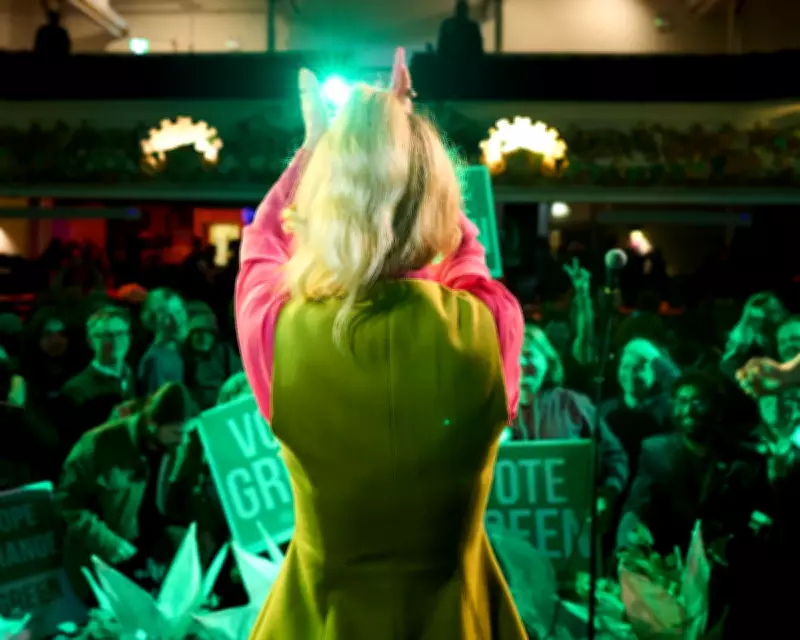
In a striking fusion of fashion and politics, Hannah Spencer, the newly elected Green Party MP for Gorton and Denton, has captured public attention with her choice of attire during her by-election victory celebrations. Spencer wore a chartreuse waistcoat, humorously labeled "gross green" in online circles, not once but twice within a 24-hour period, signaling a savvy understanding of contemporary cultural trends.
The Colour That Took Over TikTok and Westminster
This vibrant shade, often referred to as "gross green" or alternatively "phlegm green" on platforms like Instagram, originated from New York magazine and has since permeated high street fashion. It even features on the cover of Caro Claire Burke's upcoming social media satire, Yesteryear. Spencer, at 34 years old, is a millennial deeply attuned to digital culture, and her wardrobe choice reflects a deliberate effort to connect with younger voters through viral aesthetics.
By wearing the waistcoat consecutively—only changing her undershirt between her win and the subsequent press conference—Spencer tapped into a broader trend reminiscent of "brat green," the standout colour of summer 2024 popularised by figures like Kamala Harris. This move underscores how political campaigns are increasingly leveraging fleeting moments in popular culture to engage audiences.

Fashion as a Political Statement in the Digital Age
In today's fractured cultural landscape, viral colours such as Barbie pink and brat green serve as universal touchstones, offering a shared language that transcends traditional political discourse. Spencer's embrace of "gross green" is not merely a fashion statement but a calculated political strategy, demonstrating her awareness of how social media shapes public perception.
As social media acts as a fishbowl where every detail is scrutinised, the intention behind a politician's outfit often becomes secondary to its reception. Spencer's choice highlights the modern practice of finding meaning in seemingly innocuous elements, turning a simple colour into a symbol of connectivity and relevance.
Ultimately, while there are risks in public figures aligning with transient trends, Spencer's success suggests that such moves can resonate powerfully, blending fun with functionality in the political arena. Once a trend is named, it becomes ubiquitous, and Spencer's "gross green" waistcoat is poised to leave a lasting impression on both fashion and political commentary.