Labour Leader Faces Intense Pressure Over Mandelson Controversy
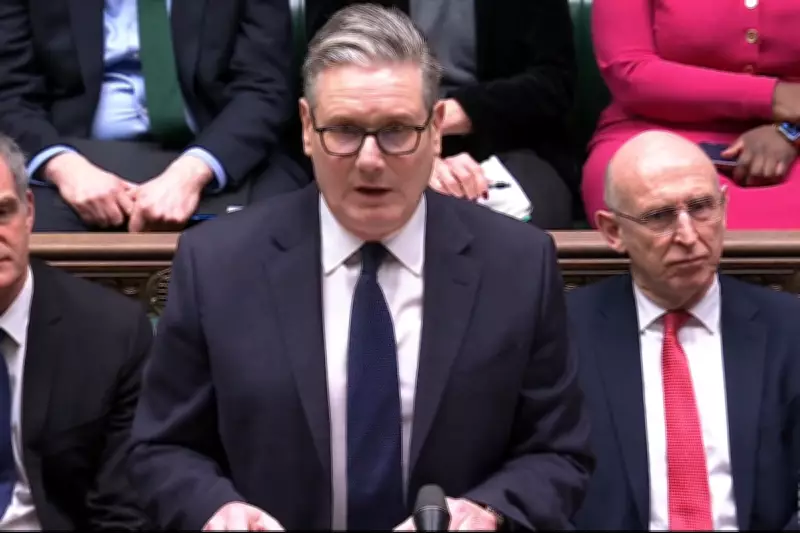
Sir Keir Starmer is confronting severe internal criticism and mounting pressure within the Labour Party due to the escalating Peter Mandelson scandal. The situation has sparked fears of a leadership crisis, with senior figures voicing concerns publicly.
Harman's Blunt Warning to Starmer
Baroness Harriet Harman has launched a scathing attack on Sir Keir, labelling him as 'weak and naive and gullible' in his handling of the controversy. She issued a stark warning that this scandal has the potential to 'finish him off' politically if he fails to take decisive action. Her comments highlight the deepening rift and frustration among Labour ranks over the leadership's response.
Apology and Allegations Under Police Scrutiny
Sir Keir Starmer has publicly apologised for believing what he described as Peter Mandelson's 'lies' regarding his relationship with the late financier Jeffrey Epstein. This apology came after Mandelson was appointed as ambassador to the United States, a decision now under intense scrutiny. Concurrently, police are actively investigating allegations that Mandelson, who has since resigned from the House of Lords, passed market-sensitive information to Epstein. These investigations add a layer of legal seriousness to the political fallout.
Internal Unrest and Leadership Speculation
The scandal has fuelled significant internal unrest within the Labour Party, with reports emerging that Deputy Leader Angela Rayner is considering a potential leadership challenge. Although her spokesperson has firmly denied these claims, the mere speculation underscores the volatile atmosphere and the questioning of Starmer's authority. This internal discord threatens to destabilise the party's cohesion and public image as it grapples with the ramifications of the Mandelson affair.
The combination of police probes, high-profile resignations, and public criticism from influential figures like Harman creates a perfect storm for Starmer's leadership. The Labour Party now faces a critical period where its response to this scandal could define its future trajectory and electoral prospects.