High Court Judge Dismisses Legal Challenge to Met Police's Freemason Disclosure Policy
A High Court judge has thrown out a legal effort challenging the Metropolitan Police's decision to compel officers and staff to reveal whether they are or have been Freemasons. The ruling, delivered on Tuesday, affirms the policy's legitimacy in maintaining public trust in policing.
Legal Action by Freemason Bodies and Officers
Three bodies representing Freemasons, alongside two serving Freemason officers, had sought to take legal action against the force. However, Mr Justice Chamberlain stated that the Met's decision "serves a legitimate aim - maintaining and enhancing public trust in policing - and is proportionate." The policy, announced in December, adds membership of the Freemasons or similar organisations to its declarable associations policy.
This requires officers and staff to declare enrolment, past or present, in any organisation that is hierarchical, has confidential membership, and requires members to support and protect each other. Approximately 400 Met officers and staff have already declared memberships under this policy.

Judge's Ruling on Bias and Public Trust
In a 17-page ruling, Mr Justice Chamberlain found the proposed legal challenge's grounds were not "reasonably arguable." He emphasised that the policy's purpose is "eliminating the potential for actual bias, where officers discharge their functions improperly, and perceived bias, where there is a perception or suspicion that officers are discharging their functions improperly." Freemasons take an oath of loyalty to the fraternity's principles and to supporting their "brothers," which has raised concerns about conflicts of loyalty.
The judge added that the policy is not discriminatory or "unduly stigmatising" against Freemasons. He argued that leaving the decision to declare membership to individuals on an "ad hoc basis" would not "achieve the object of maintaining or enhancing public trust."
Met Police's Response and Justification
Following the decision, Met Commander Simon Messinger welcomed the judgment, stating, "We had been prepared to robustly defend our decision through the courts so today's judgment is welcome." He explained that the policy change came after feedback indicated concerns that involvement in organisations like the Freemasons could "compromise impartiality or create conflicts of loyalty."
Commander Messinger stressed that victims and those reporting wrongdoing must have "trust and confidence" that there is "no risk that investigations are tainted by such issues." He added that the Met prioritised this goal "over any organisation's desire to maintain secrecy."
Freemason Groups' Disappointment and Concerns
The United Grand Lodge of England (UGLE), the Order of Women Freemasons, and the Honourable Fraternity of Ancient Freemasons expressed disappointment but noted they had "received several assurances" about how officer and staff data would be handled. Speaking for the groups, UGLE grand secretary Adrian Marsh said, "We maintain that we have an obligation to protect our members from discrimination, which in our view will do nothing to improve on the Metropolitan Police's delivery on its mandate to keep London safe by reducing crime, building public trust and upholding high standards."
Legal Arguments and Historical Context
At a February 11 hearing, lawyers for the claimants argued that the Met's decision allowed it to create a "black list" and was an "institutional signal of suspicion" breaching human rights. Claire Darwin KC claimed the move was based on "limited, opaque and heavily perception-driven" evidence and relied on "long-standing conspiracy theories and/or prejudicial tropes about Freemasons."

In response, the Met's barristers said the claim should be dismissed, asserting that the suggestion of a blacklist was "plainly wrong" and employees were "free to become or remain Freemasons." James Berry KC argued that human rights claims were "without merit" and fears of stigmatisation were "not supported by the evidence." He added that the Met is not responsible for the stigma associated with Freemasonry but is "responsible for addressing it."
Background and Recommendations
The requirement for officers to declare Freemason membership was recommended by the Daniel Morgan Independent Panel report, which investigated the Met's handling of the unsolved 1987 murder of private detective Daniel Morgan. The report noted that officers' Masonic membership had been "a source of recurring suspicion and mistrust in the investigations," though it found no evidence that Masonic connections were a factor in the murder.
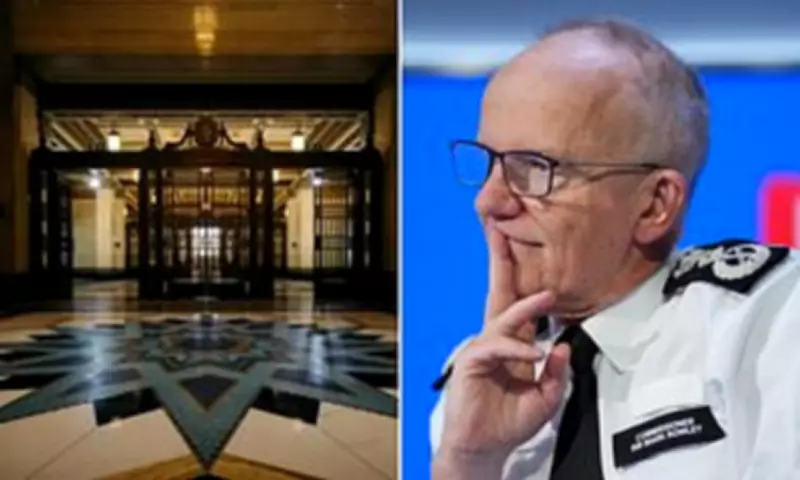
The Met's decision followed a survey showing two-thirds of respondents felt membership in such organisations affected perceptions of police impartiality and public trust. Commissioner Sir Mark Rowley has pushed for greater transparency in the force. Historically, from 1999 to 2009, new judges were required to disclose Masonic affiliation, and police officers still have a voluntary obligation to inform superiors.
Broader Implications and Freemason History
Freemasonry, with origins dating back to the late 14th century in Britain, has often been shrouded in mystery. The organisation, which includes lodges across the country, has faced scrutiny in various contexts, such as the Hillsborough disaster investigation in 2016 and allegations related to Jack the Ripper in 2024. Despite this, Freemasons have recently attempted to demystify their traditions, as seen in a TikTok video by the London Masons last year.
The High Court's ruling reinforces the Met's commitment to transparency and public confidence, setting a precedent for how police forces address potential conflicts of interest within their ranks.