Senior officials from HM Revenue and Customs have provided comprehensive details about the forthcoming implementation of a significant change to council tax arrangements across England and Wales. The tax bills that property owners receive can vary substantially depending on their geographical location and the specific characteristics of their homes.
Labour's High Value Council Tax Surcharge Announcement
In the Autumn Budget of 2025, the Labour government announced the introduction of a High Value Council Tax Surcharge, commonly referred to as the 'mansion tax'. This new levy is scheduled to take effect from April 2028 and will apply to residential properties with valuations exceeding £2 million. Property owners within this bracket will face an annual recurring charge in addition to their standard council tax obligations.
Structured Surcharge Amounts
The additional financial burden will be structured according to property values, ranging from £2,500 for homes at the lower threshold up to £7,500 for properties worth £5 million or more. This graduated approach aims to ensure that the tax reflects the substantial value of these high-end residential assets.
Valuation Office Agency's Preparatory Work
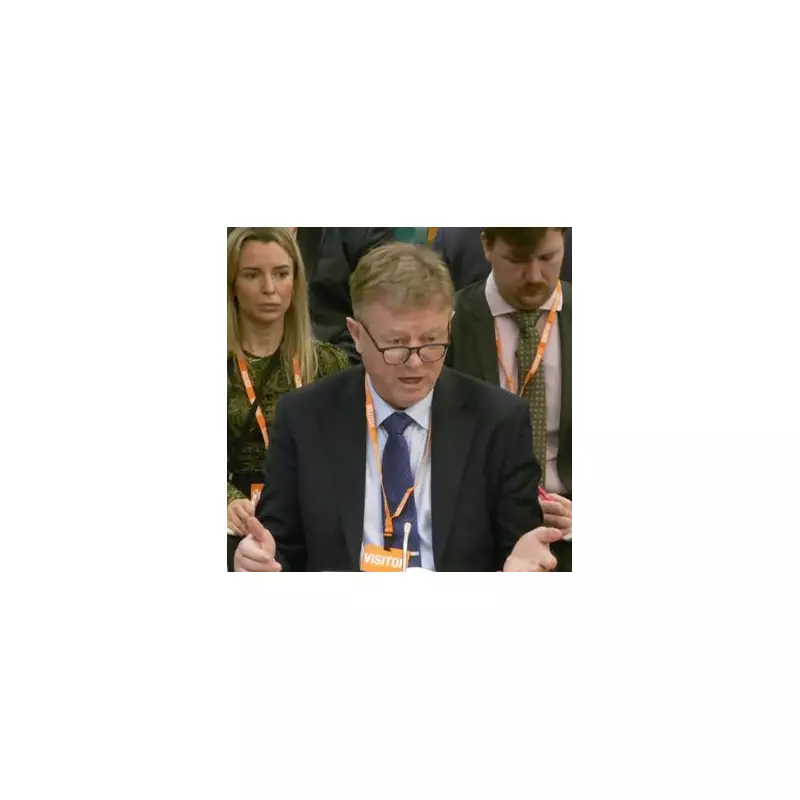
Jonathan Russell, the chief executive of the Valuation Office Agency, recently addressed Members of Parliament regarding the extensive preparatory work underway ahead of this significant tax change. The VOA, which operates as part of HMRC, is responsible for providing valuations for approximately 28 million domestic properties throughout England and Wales.
During parliamentary discussions, Mr Russell was questioned about the precise methodology the agency will employ to determine which properties fall within the scope of the new charge. He explained that the agency is currently examining existing data sources to ensure accuracy and relevance.
Data Integration Strategy
"We are looking at the data," Mr Russell stated, elaborating on their approach. "We already possess the fundamental valuation framework used for council tax banding, which was originally established in 1991. We are scrutinising the data we currently hold to verify that it remains current and precise."
The agency will supplement this existing information with multiple external data sources, including:
- Open-source data from the Office for National Statistics
- Information from the Land Registry
- Property sales data
- Stamp duty land tax records
Mr Russell detailed the analytical process: "We will examine properties currently positioned in the higher echelons of council tax banding based on existing property data. We will then cross-reference this information with other datasets, matching the two sources to develop accurate valuations."
Transparency and Public Communication
The VOA chief executive emphasised the importance of transparency throughout the valuation process. "When we conduct these valuations, we will ensure that our methodology is publicly accessible," he assured. "We will communicate clearly with property owners about how we are performing valuations and the specific criteria we are applying. Ultimately, we want people to have confidence in the valuations we produce."
Mr Russell added a practical consideration: "We do not want numerous appeals because that serves no one's interest. We aim to be open, transparent, and clear about the data we utilise, how we apply it, and how we arrive at final valuations."
Legislative Requirements and Property Adjustments
The agency chief noted that the valuation process requires specific legislation that has yet to be finalised. "It requires legislation," he explained. "We are examining valuations based on current property values rather than the 1991 baseline, likely using a date this year that remains to be determined through legislative processes."
He further clarified that the agency will account for property modifications that could affect valuations, such as extensions or property subdivisions. "We examine that type of data," he confirmed.
Scope and Geographical Distribution
According to current estimates, approximately 200,000 properties are expected to fall within the scope of the new charge. Mr Russell indicated that "a substantial proportion" of these properties will be concentrated in London, the southeast, and eastern regions of England, while some local authorities may have no affected properties whatsoever.
When questioned about whether significant numbers of properties would require revaluation to determine if they meet the £2 million threshold, the valuation expert provided insight into their targeted approach.
Focused Valuation Strategy
"We will likely examine houses with indicative valuations around £1.5 million to ensure we don't overlook borderline cases," Mr Russell explained. "For properties clearly exceeding the upper threshold of £5 million, we won't devote excessive time to detailed examination. Our primary focus will be on properties between these two valuation levels to ensure banding accuracy."
He contextualised this work within the agency's regular operations: "This aligns with our standard practices. For instance, we annually value approximately 200,000 newly constructed properties, assessing them against 1991 values. Within that 200,000, some properties will inevitably meet the criteria for the high-value council tax surcharge."
Appeals Process and Future Consultation
Regarding potential challenges to the new charge, Mr Russell clarified that the appeals framework remains under development. "Concerning the appeals process, it's important to note that the mechanism for the high-value council tax surcharge will require both legislation and public consultation," he stated. "I understand there are plans to conduct this consultation within the coming months."
This consultation will address several critical areas, including:
- Potential reliefs and exemptions
- Appeals procedures
- Challenges to council tax banding decisions
- Scope definitions and complex ownership scenarios
Mr Russell highlighted a significant distinction: "The billing responsibility will not fall on occupiers but rather on property owners. The consultation will address this aspect as well, including how appeals might be structured. These details have not yet been finalised and remain in development."