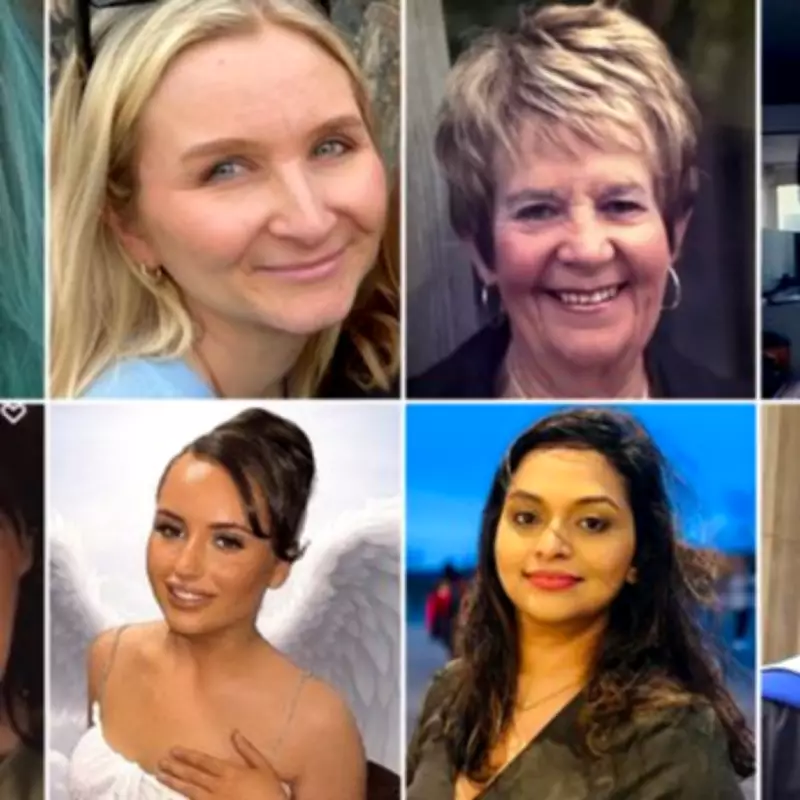
In a powerful and sombre moment in the House of Commons, MPs observed a profound silence as Jess Phillips, a Home Office minister, read aloud the names of 110 women who were killed by men over the past year. This marked the 11th consecutive year that Ms Phillips has carried out this poignant tradition, honouring women who have lost their lives to male violence or where a man has been charged since the last International Women's Day.
A Tradition of Remembrance and Advocacy
The reading forms a key part of Ms Phillips's collaboration with Counting Dead Women, a sister project of the Femicide Census. She first initiated this practice in 2016, using it as a platform to highlight the ongoing crisis of violence against women and girls. Addressing her fellow MPs, Ms Phillips emphasised the urgency of the issue, stating, "The reason I stood to be elected to Parliament in the first place is that while we are gathered here in the heart of our democracy to discuss these issues in comfort and in safety, beyond these walls, in every part of our country, women and girls are suffering."
She further elaborated, "They are being attacked, abused, harassed and stalked at home, in public places and online. The scale of violence against women and girls shames our society." After completing the list, she called for justice for the victims and urged for preventive measures to stop future tragedies, saying the women should be honoured "by preventing others from suffering the same fate."
Notable Cases Highlighted
The list included heartbreaking cases such as Courtney Angus, a 21-year-old from Batley, West Yorkshire, who was murdered by Michael Doherty just hours before her birthday celebration. Doherty pleaded guilty in January, and police discovered her body after he was apprehended with a knife in a supermarket.
Another victim was Brenda Breed, 87, found dead at her home in July 2025, with her son currently on trial for her alleged murder. The tragedy extended to Vanessa Whyte, 45, and her children James Rutledge, 14, and Sara Rutledge, 13, who were shot dead in their home last July. Ian Rutledge, suspected of the triple murder and suicide, died in hospital shortly after.
Further cases included Stephanie Blundell, 41, who suffered over 100 injuries in a violent attack by her boyfriend and was later found dead, and Isobella Knight, 32, murdered by her husband in June. Dawn Kerr, 56, mother of actor Callum Kerr, was a victim of a murder-suicide in France last February.
Expert Calls for Systemic Change
Clarrie O’Callaghan of the Femicide Census remarked, "Every name Jess Phillips reads out is a woman who would still be here but for men’s violence and abuse. Men’s violence against, abuse and objectification of women is pervasive in society, in media, in attitudes, in homes, in schools and online." She highlighted issues with under-reporting and prosecution delays in the criminal justice system.
Karen Ingala Smith added, "Femicide is not a gateway crime. Behind so many cases there is evidence of repeated and/or escalating abuse where interventions by the authorities could have changed the outcome for the women who became a name on our list."
Layla Coe, chief executive of Killed Women, expressed gratitude for the tradition, urging policymakers to implement recommendations from their report "Invisible Women Made Visible" to drive systemic change. Dr Hannana Siddiqui OBE of Southall Black Sisters called for an independent public inquiry into femicide, noting the over-representation of Black, minoritised, and migrant women in such cases.
Government Response and Future Actions
As a Home Office minister, Jess Phillips vowed to fund and deliver an oversight mechanism for recommendations from domestic homicide reviews, stating, "This is about turning lessons into action, not just letting those documents sit on a shelf in some local authority." Domestic Abuse Commissioner Dame Nicole Jacobs echoed this, emphasising the need to address misogynistic attitudes and ensure lessons are learned from each death.
The full list of names, compiled by the Femicide Census, includes women from diverse backgrounds, such as Suratchanee Parks, Delia McInerney, and many others, each representing a life tragically cut short. This annual reading serves as a stark reminder of the ongoing fight against gender-based violence and the collective responsibility to enact meaningful reform.