A Labor MP has publicly broken ranks with his party's leadership, issuing a stark call for government spending cuts as fears over persistent inflation intensify and financial markets brace for further interest rate hikes. The intervention comes at a critical juncture, with the Reserve Bank of Australia under mounting pressure to return inflation to its target range.
MP Laxale Challenges Treasury's Position
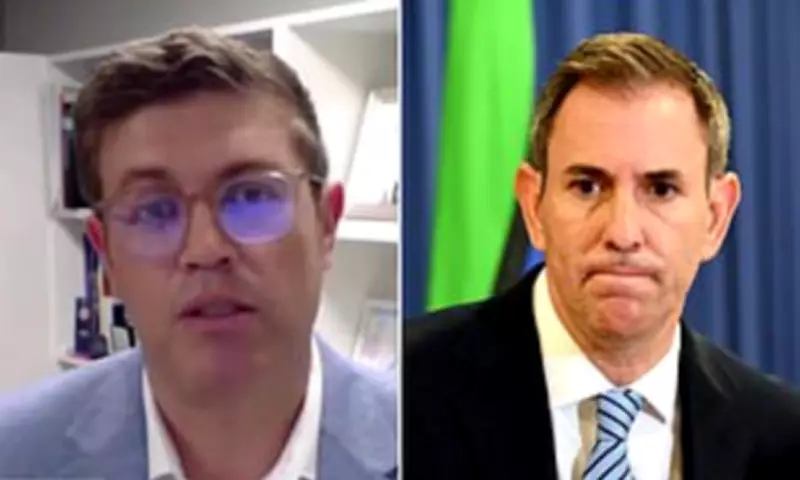
Speaking on Sky News on Monday, Labor MP Jerome Laxale, who serves as a member of the influential Standing Committee on Economics, declared that the federal government must rein in expenditure in the upcoming budget. His comments directly challenge the repeated assertions of Treasurer Jim Chalmers, who has insisted that public spending is not the primary driver of Australia's inflation woes.
'We've got to reduce spending and address the intergenerational equity issues in the budget,' Laxale stated emphatically. This public dissent highlights growing internal tensions within the Labor Party as economic pressures mount.
Treasurer Chalmers Maintains Stance on Private Sector Role
Treasurer Jim Chalmers has consistently argued that inflation is being fueled by a resurgence in private sector activity, not by government fiscal policy. Following a higher-than-expected inflation reading of 3.8 per cent in January, Chalmers was unequivocal: 'What's very clear from this data is that it reflects a resurgence in the private sector and not an increase in public sector spending.'
He further pointed to last year's three interest rate cuts as evidence, stating, 'If our budget was the problem, if public spending was the problem, then we wouldn't have seen three interest rate cuts last year.' When the Reserve Bank lifted interest rates in February, Chalmers again attributed the decision to robust private demand.
Shadow Treasurer and External Pressures
Shadow Treasurer Tim Wilson seized on the discord, accusing the government of exacerbating inflation. He noted that government expenditure has risen from 24 to 27 per cent of GDP since Labor took office, claiming this was 'pouring fuel on the fire' of inflation and must be wound back aggressively. 'Chalmers is in denial about how he pours petrol on the inflation fire,' Wilson asserted.
The inflation debate has gained urgency in recent weeks, with surging global oil prices—driven by the ongoing conflict in the Middle East—raising fears of further price shocks across the economy. Chalmers acknowledged this external pressure, stating that soaring fuel prices have led Treasury to forecast inflation in the 'mid to high fours', though he expects growth to slow without triggering a recession.
'We acknowledge that we had an inflation challenge before the dramatic escalation of hostilities in the Middle East,' Chalmers said. 'But that conflict will put additional upward pressure on inflation; we've been very upfront about that, we're already seeing that in petrol prices, and we'll see it in other parts of our economy as well, to be blunt about it.'
Reserve Bank and Economic Forecasts
The worsening inflation outlook coincides with the Reserve Bank board's meeting on Tuesday, where it faces intense pressure to steer inflation back to its 2 to 3 per cent target range. Money markets and a majority of economists anticipate a 25 basis point increase in the cash rate to 4.10 per cent, with another hike likely in May. Concerns are mounting that inflation could climb as high as five per cent.
Westpac chief economist Luci Ellis commented, 'The effect of higher oil prices on headline inflation is large but temporary. The RBA Monetary Policy Board will nevertheless feel compelled to react, especially given the hit to confidence and financial markets from the Middle East conflict has so far not been severe.'
Greens Leader Criticises Rate Rise Approach
Greens leader Larissa Waters entered the fray, arguing that the conflict in the Middle East, not domestic demand, is the primary driver of current inflation pressures. She warned that interest rate hikes would be ineffective in addressing supply-side disruptions caused by geopolitical turmoil.
'A rate rise will not stop the chaos of this illegal war that is driving inflation,' Waters stated. 'People are already struggling with price gouging at the petrol pump and the supermarket. The RBA should not lift rates when this latest inflation pressure is a supply-side mess caused by a pointless war that rate rises can't stop.'
This multifaceted debate underscores the complex economic landscape facing policymakers, with internal party divisions, external geopolitical shocks, and conflicting economic theories all shaping the response to Australia's inflation crisis.