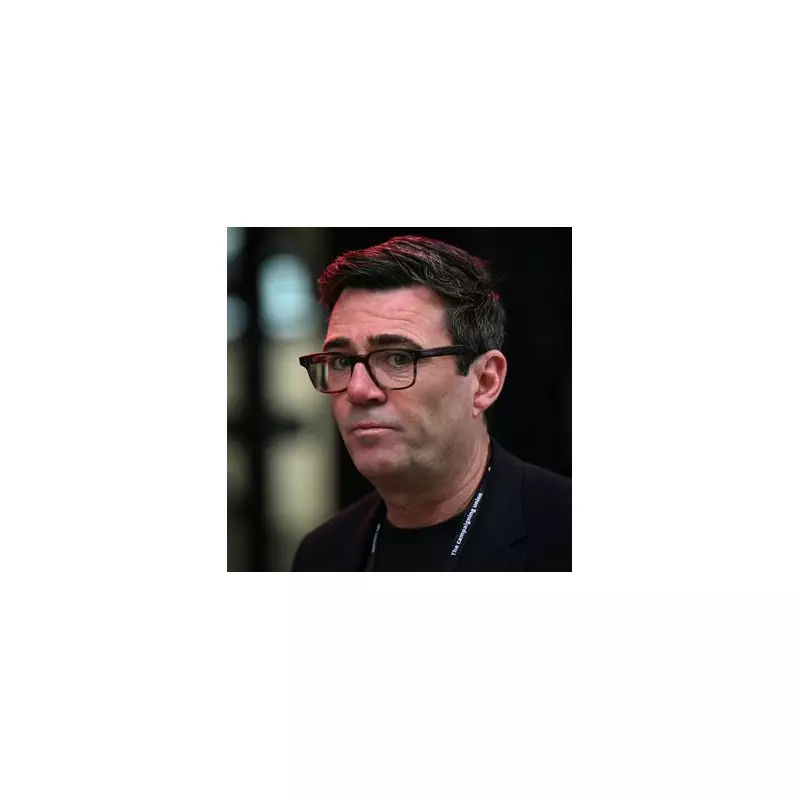
Greater Manchester Mayor Andy Burnham has been prevented from running as a Labour MP in the upcoming Gorton and Denton by-election, following a decisive intervention from the party's ruling National Executive Committee. The controversial move has ignited significant tensions within Labour ranks, with critics alleging that fears of a potential leadership challenge from the high-profile mayor motivated the blockage.
Starmer Defends Decision Amid Growing Party Rift
Prime Minister Keir Starmer has publicly defended the NEC's ruling, insisting that allowing Burnham to contest a Westminster seat would divert crucial resources away from vital spring election campaigns. During a visit to a health centre in Wimbledon alongside Health Secretary Wes Streeting, Starmer emphasised the importance of focusing on upcoming local council elections in England, as well as crucial votes in Wales and Scotland.
"We need all our focus on those elections," Starmer told reporters. "Andy Burnham's doing a great job as the Mayor of Manchester, but having an election for the Mayor of Manchester when it's not necessary would divert our resources away from the elections that we must have, that we must fight and win."

Burnham's Reaction and Accusations
In a strongly-worded statement released after the decision, Burnham expressed his disappointment and raised concerns about the potential impact on Labour's electoral prospects. "I am disappointed by today's NEC decision and concerned about its potential impact on the important elections ahead of us," the mayor stated.
Burnham added a pointed postscript that highlighted his frustration with the party's internal processes: "PS - The fact that the media was informed of the NEC decision before I was tells you everything you need to know about the way the Labour Party is being run these days. You would think that over 30 years of service would count for something but sadly not."
Labour sources have vigorously contested this version of events, claiming that attempts were made to contact Burnham by phone and email shortly after the NEC meeting concluded.
Internal Criticism and Union Backlash
The decision has drawn criticism from within Labour's own parliamentary ranks, with former cabinet minister Louise Haigh calling for the ruling to be reversed. "Otherwise I think we'll all come to regret this," Haigh warned on Sunday.
Trade unions have also voiced their disapproval, with the Transport Salaried Staffs Association stating that the party had "lost its way" and Unison's general secretary declaring that this was not how "any democratic organisation should be run."
Starmer's Appeal for Unity
Addressing concerns about growing internal divisions, Starmer appealed for party unity, insisting that Labour's primary battle is with the Reform party rather than within its own ranks. "The second thing I'd say is there is a fight, yes, there is a fight, but that fight is with Reform, and we all need to line up together to be in that fight, all playing our part," the Prime Minister asserted.
He continued: "I think that everybody in the Labour Party, everybody who's a Labour MP, wants to be in that fight, wants to fight alongside all their colleagues in a fight that matters hugely to the future of our country."
Political Context and Implications
The blocking of Burnham's parliamentary ambitions comes at a sensitive time for Labour, with multiple important elections approaching across the United Kingdom. The NEC's decision was reportedly made by a group of ten members, including Starmer himself, raising questions about internal party democracy and the treatment of senior figures with independent power bases.
Burnham had positioned his potential candidacy as an attempt to prevent "the divisive politics of Reform from damaging" what has been built in the Greater Manchester city-region over many years. His statement concluded with a call for unity: "We are stronger together and let's stay that way."

As Labour prepares for crucial spring elections, the handling of Burnham's case has exposed underlying tensions between the party's leadership and one of its most prominent regional figures, setting the stage for continued internal debate about candidate selection processes and resource allocation in the run-up to major electoral tests.