Labour's Pragmatic Decision to Halt Burnham's Leadership Bid
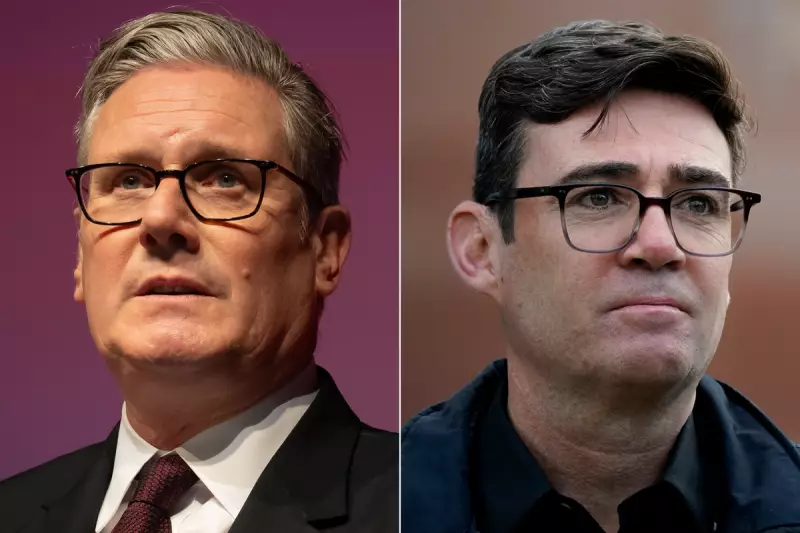
Labour's recent intervention to stop Andy Burnham's leadership manoeuvring has been framed not as a callous act but as a necessary and realistic move. Allowing the Mayor of Greater Manchester to continue his half-hearted bid would have handed political opponents an open goal while solving none of the party's underlying issues.
The Strategic Reasoning Behind Starmer's Move
Prime Minister Keir Starmer defended the Labour National Executive Committee's decision to block Burnham from standing in the Gorton and Denton by-election by emphasising the need for focus rather than fear. "We have really important elections across England, Wales and Scotland that will affect millions of people," Starmer stated. "We need all our focus on those contests, campaigning on the cost of living."
The prime minister acknowledged Burnham's effective work as Manchester Mayor but argued that holding an unnecessary mayoral election would divert crucial resources from essential electoral battles. This strategic calculation reflects Labour's determination to avoid self-inflicted wounds during a critical political period.

The Political Consequences of Inaction
Had Labour leadership not acted decisively, the party would have faced relentless attacks from political opponents. Conservative figures like Kemi Badenoch would have repeatedly highlighted Labour's leadership crisis during Prime Minister's Questions, portraying Starmer as a weak leader unable to command loyalty from his own MPs.
This scenario would have mirrored Starmer's own successful tactics against previous Tory leaders, creating a debilitating narrative of division and instability within Labour ranks. The timing could have been particularly damaging, potentially coinciding with the Conservatives resolving their own leadership issues following Robert Jenrick's departure.
Burnham's Limited Political Appeal
Andy Burnham's political persona, often described as the "King of the North," has always relied more on emotional connection than substantive policy differences. His vague platform of "Manchesterism" offers little concrete direction for national governance and would likely fail to resonate beyond his Northern base.
Historical parallels with Ken Livingstone's entry into Parliament suggest that Burnham might have become a disruptive voice within Labour ranks, potentially undermining Chancellor Rachel Reeves' economic management in ways similar to Livingstone's early criticism of Gordon Brown.
The Structural Constraints Facing Labour
Burnham's imagined premiership would face the same fundamental constraints confronting all potential Labour leaders:
- Financial limitations preventing major welfare state reforms or nationalisation programmes
- Electoral realities that restrict radical policy shifts even in traditional Northern strongholds
- Market pressures that would punish any attempt to defy economic orthodoxy
These constraints apply equally to other potential leadership contenders like Angela Rayner, Shabana Mahmood, or Wes Streeting, none of whom could escape the brutal financial realities limiting political manoeuvrability.
The Deeper Problem Beyond Personalities
Labour's challenges extend far beyond leadership personalities or communication styles. The party faces fundamental questions about its direction in a post-Brexit Britain with limited fiscal flexibility. While alternative leaders might offer better storytelling or stronger performances, they cannot magically resolve issues like immigration control, crime reduction, or regional economic revival.
True political transformation requires not just changes in tone but radical shifts in governance approach, as demonstrated when Conservatives replaced Margaret Thatcher with John Major or Theresa May with Boris Johnson. Burnham offered no comparable policy revolution, merely stylistic differences that fail to address Labour's core dilemmas.
For now, Labour's leadership debate remains dominated by "vibes" rather than viable alternatives, with no genuinely radical yet electorally popular programme emerging to challenge the party's current trajectory.