Labour's Path to Victory Without Keir Starmer
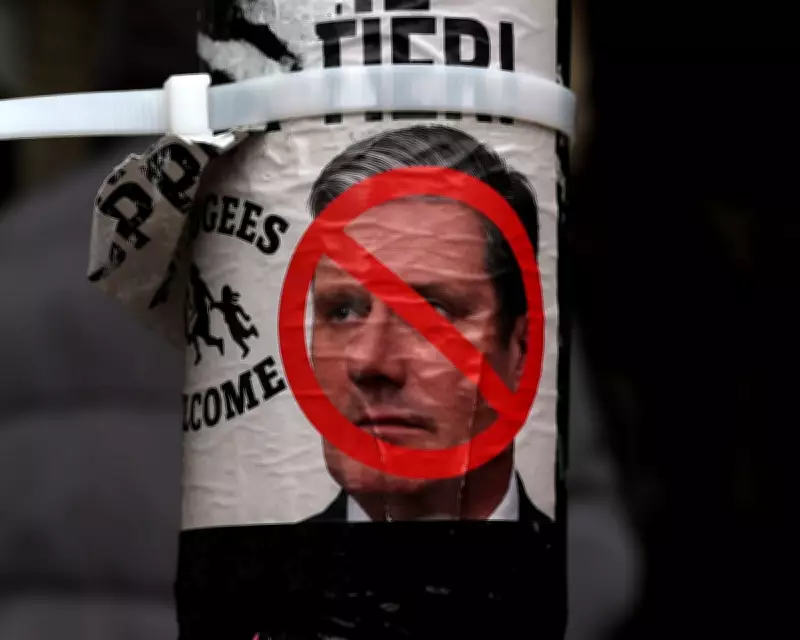
In February 2026, an anti-Keir Starmer sticker was spotted on a London lamp-post, symbolising the growing public discontent with the Prime Minister. This visual protest underscores a broader political reality: if Keir Starmer is ousted, Labour could still win the next election, but only under specific conditions.
The John Major Parallel
Keir Starmer is increasingly compared to John Major, the former Prime Minister who faced a similar fate. In 1992, Major was riding high after an unexpected election victory, but the sterling crisis on Black Wednesday shattered his reputation. He became seen as hapless, a label that stuck until his landslide defeat in 1997. Similarly, Starmer has faced a steady stream of bad news over the past 18 months, leading to voter disillusionment. Many who hoped for a fresh start after 14 years of Conservative rule now express buyer's remorse, with support shifting to the Green party and Reform UK.
Once a leader is perceived as ineffective, that image is hard to erase. Major lost despite a strong economic performance post-Black Wednesday, while Starmer struggles with weak growth and rising unemployment, which recently hit a nearly five-year high. The fragmented state of British politics, however, leaves a narrow window for Labour to prevail.

Four Conditions for Labour's Recovery
For Labour to secure an election win, four critical factors must align. First, Keir Starmer must step down. Voters widely view him as unfit for the role, and his tenure will likely end once the party agrees on a successor. Second, the government must cease making unforced errors. Labour's initial period in power was marred by policy U-turns and missteps, such as the uncertainty from the 2024 and 2025 budgets, which deterred business investment. The increase in employers' national insurance contributions acted as a tax on jobs, exacerbating challenges for young job-seekers.
Third, Starmer's successor must present a coherent strategy. Labour's 2024 election platform resonated with public desires for NHS investment, infrastructure upgrades, worker rights, manufacturing boosts, higher taxes on the wealthy, and improved living standards. While the party has delivered on some fronts—like Rachel Reeves's budget providing NHS funding and public investment—growth and living standards have lagged, with declines in late 2025. Patients still wait on trolleys, and potholes plague roads, highlighting unmet expectations.
Fourth, the economy must start to improve. Although a return to mid-1990s growth is unlikely, conditions are ripe for a turnaround. The Bank of England is expected to cut interest rates due to economic sluggishness, and international tensions, such as those during Donald Trump's second term, have eased without major tariff disruptions. Past shocks like Brexit, the pandemic, and the Ukraine war have faded, while tax breaks and Labour's measures make capital spending more attractive than hiring. This sets the stage for higher investment, productivity, and living standards, albeit too late for Starmer but potentially timely for his successor.
Looking Ahead
The political landscape remains volatile, but Labour's core plans offer a foundation for recovery. With Starmer's departure and a focus on economic revitalisation, the party could yet navigate the fragmented electorate to victory. The coming months will be crucial in determining whether these conditions can be met and if Labour can overcome its current challenges.