Labour Government Confronts Potential Defeat on Social Media Restrictions for Minors
In a remarkable parliamentary development, the Labour administration finds itself at risk of a significant legislative setback over proposals to prohibit children under the age of sixteen from accessing social media platforms. This contentious issue has created an unusual alliance between Conservative peers and rebellious Labour MPs, threatening to derail the government's current stance.
Parliamentary Ambush on Children's Wellbeing Legislation
The government's relatively uncontroversial Children's Wellbeing and Schools Bill has been unexpectedly hijacked during its passage through parliament. Determined efforts by Tory members of the House of Lords, supported by a faction of Labour dissidents, have successfully inserted an amendment that would mandate social media companies to implement comprehensive age verification systems. These platforms would be required to establish what the legislation terms "highly effective" age checks within twelve months of the bill receiving royal assent.
This parliamentary manoeuvre represents a rare instance where the unelected upper chamber has forced the elected Commons into a position where it might defeat government legislation. The amendment has fundamentally shifted the debate from whether such restrictions are necessary to how and when they should be implemented.

Government's Precarious Position and Internal Divisions
Despite commanding a substantial working majority of nearly 150 seats, the Labour government faces genuine prospects of defeat when the amended bill returns to the House of Commons. This vulnerability stems from an organised backbench rebellion led by many of the same MPs who compelled the government to retreat on welfare reform proposals last year.
The rebels have already demonstrated their strength through a public open letter to the prime minister, signed by sixty Labour parliamentarians, explicitly calling for the implementation of an under-sixteen social media prohibition. This internal dissent is compounded by opposition party positions, with both Conservatives and Liberal Democrats advocating for immediate restrictions.
Labour's current policy of resisting an immediate ban lacks clear manifesto backing. The party's pre-election document contained only vague commitments about building upon the Online Safety Act and exploring further measures to enhance online protection, without specifying age-based platform restrictions.
Ministerial Caution and International Precedents
Senior government figures have expressed reservations about implementing immediate restrictions. Prime Minister Keir Starmer has indicated he is "open to" or even "in principle favour of" a ban but remains sceptical about practical implementation challenges. Culture Secretary Lisa Nandy has highlighted concerns raised by child protection organisations like the NSPCC, warning that such measures might simply drive young users toward darker, less regulated corners of the internet.
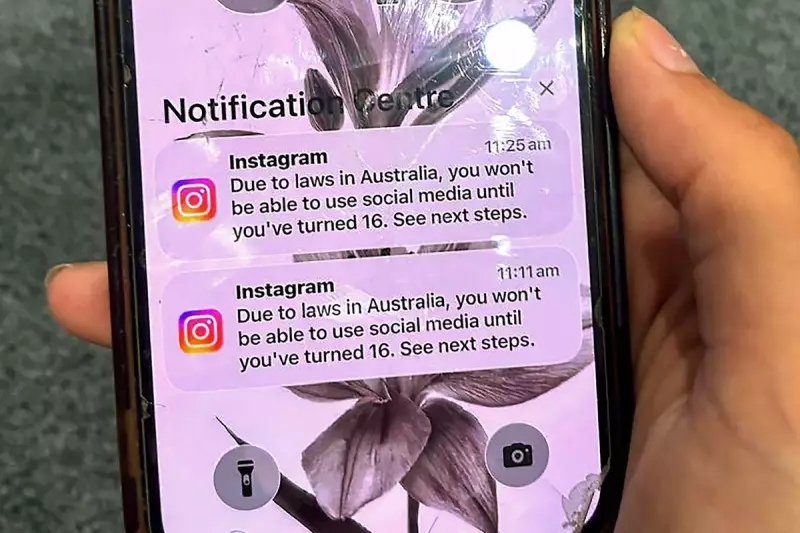
The government's preferred approach involves observing Australia's experience, which introduced similar restrictions in December 2025. Technology Secretary Liz Kendall has announced a "swift" three-month public consultation on the matter, though this timeframe will not permit comprehensive analysis of the Australian experiment's outcomes. This cautious stance has created tension with those demanding immediate action.
Public Sentiment and Political Implications
Public opinion appears overwhelmingly supportive of restrictions, with a December YouGov poll indicating 74 percent of respondents either "supported" or "strongly supported" a ban, while only 19 percent expressed opposition. Teachers, a significant pressure group within Labour's support base, have also advocated for the measure.
The political ramifications of defeat would be substantial. A Commons rejection or withdrawal of the legislation would represent a significant setback for both Starmer and Kendall, while providing a political boost to Conservative figures like Kemi Badenoch, who has been vocal on related issues including smartphone bans in schools. Such an outcome would mark the government's fourteenth policy reversal in approximately eighteen months.

Conversely, ministers face the ongoing risk that another tragic teenage suicide linked to online bullying could be attributed to governmental inaction, creating a powerful emotional argument for immediate measures.
Potential Compromises and Future Developments
One possible resolution involves passing the original bill without the ban amendment but incorporating mechanisms that would enable future implementation of restrictions. This compromise approach raises questions about why legislation was introduced prior to conducting the public consultation that could have been initiated shortly after Labour assumed power.
The situation highlights a recurring pattern where the government finds itself at odds with public sentiment on popular policies, despite commanding substantial parliamentary majorities. As the debate continues, millions of families await clarity on how the government intends to navigate the complex intersection of child protection, digital rights, and practical governance in an increasingly online world.