Labour Faces Internal Turmoil Over Minimum Wage Pledge Amid U-Turn Speculation
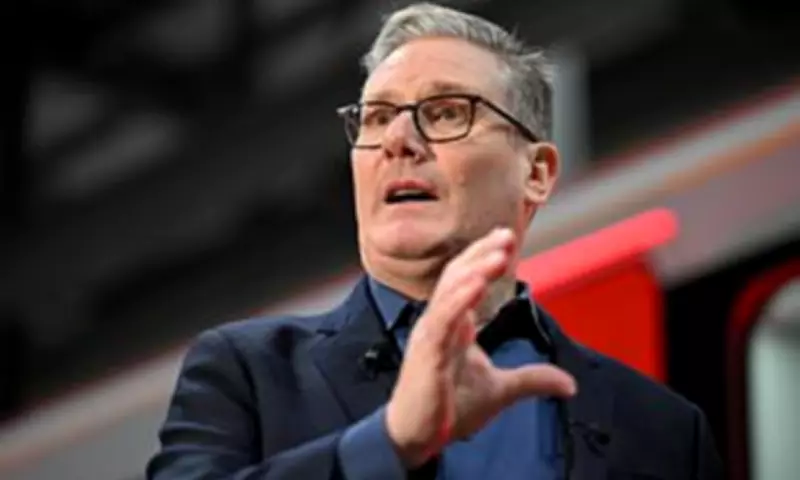
Labour was plunged into disarray over its minimum wage commitment last night, as Sir Keir Starmer attempted to quash mounting reports of an impending policy reversal. The Prime Minister firmly asserted that the party would honour its manifesto pledge to equalise the minimum wage between younger and older workers, aiming to ensure all adults receive the same baseline pay.
Conflicting Signals from Senior Figures
However, Chancellor Rachel Reeves twice evaded direct questions regarding whether the government would delay plans to increase wages for workers aged 18 to 20. Her ambiguous responses have fueled speculation and exposed apparent divisions within the Labour leadership. These interventions follow detailed reports in the Times suggesting the pledge is under active review, driven by concerns that it may be deterring companies from hiring young people.
Options reportedly under consideration include slowing the rate of equalisation or limiting the change to workers over the age of 20. In a clear effort to shut down this speculation, Sir Keir Starmer stated, 'We've made commitments to young people in our manifesto, and we will keep to those commitments, including the commitment that we would make sure that the living wage would go up this April, which I can absolutely confirm to you will happen.'

Vague Timelines and Economic Concerns
While confirming an April increase to the living wage, Sir Keir did not provide a specific timeline for fulfilling the broader equalisation commitment. Earlier, Chancellor Reeves highlighted challenges facing young people, stating, 'I do recognise that there are challenges, particularly around young people leaving school, college and university, the Covid generation of young people who did miss out on so much during those years. As a Government, we are determined to do everything we can to support them.'
On the BBC's Today Programme, Welsh Secretary Jo Stevens referenced the Low Pay Commission, noting, 'The Low Pay Commission says that the evidence does not show that there is a direct correlation between problems and the raising of the national minimum wage. We came into work on a manifesto to make work pay, and that's exactly what we're doing.'
Current Wage Structures and Employer Warnings
Currently, employers must pay workers aged 18 to 20 at least £10 per hour, a figure set to rise to £10.85 in April. For older workers aged 21 and over, the minimum is £12.21, increasing to £12.71. This structure has triggered strong warnings from retail leaders, who argue that young people are increasingly struggling to secure employment due to rising minimum wage costs and employers' National Insurance contributions.
Office for National Statistics (ONS) data reveals a worrying trend: the unemployment rate for 16 to 24-year-olds surged to 16.1% in the three months to December, marking the highest level since early 2015. The British Retail Consortium (BRC), representing major brands like Marks & Spencer, Primark, and Tesco, has warned that young people could lose out if youth wage rates are abolished.
Industry and Union Backlash
Helen Dickinson, chief executive of the BRC, commented, 'Government is right to be worried about the impact that equalising National Minimum Wage too quickly would have on employment, as too many young people might otherwise lose out on opportunities to those with more experience but the same pay.' She urged the government to reassess the combined impact of tax hikes and the workers' rights bill to ensure they encourage, rather than discourage, businesses from hiring young people.
Adding to the criticism, Gail's boss Luke Johnson lambasted Labour for making it 'more expensive and more risky to employ people,' describing the mood among UK employers as the 'darkest' he has ever witnessed. He argued that the surging minimum wage is pricing young people out of the jobs market.
The reports have also sparked a backlash from Labour-supporting unions, who are demanding the party adhere to its original pledge. This internal and external pressure highlights the delicate balancing act the government faces between fulfilling electoral promises and addressing practical economic concerns in a fragile labour market.